Introduction
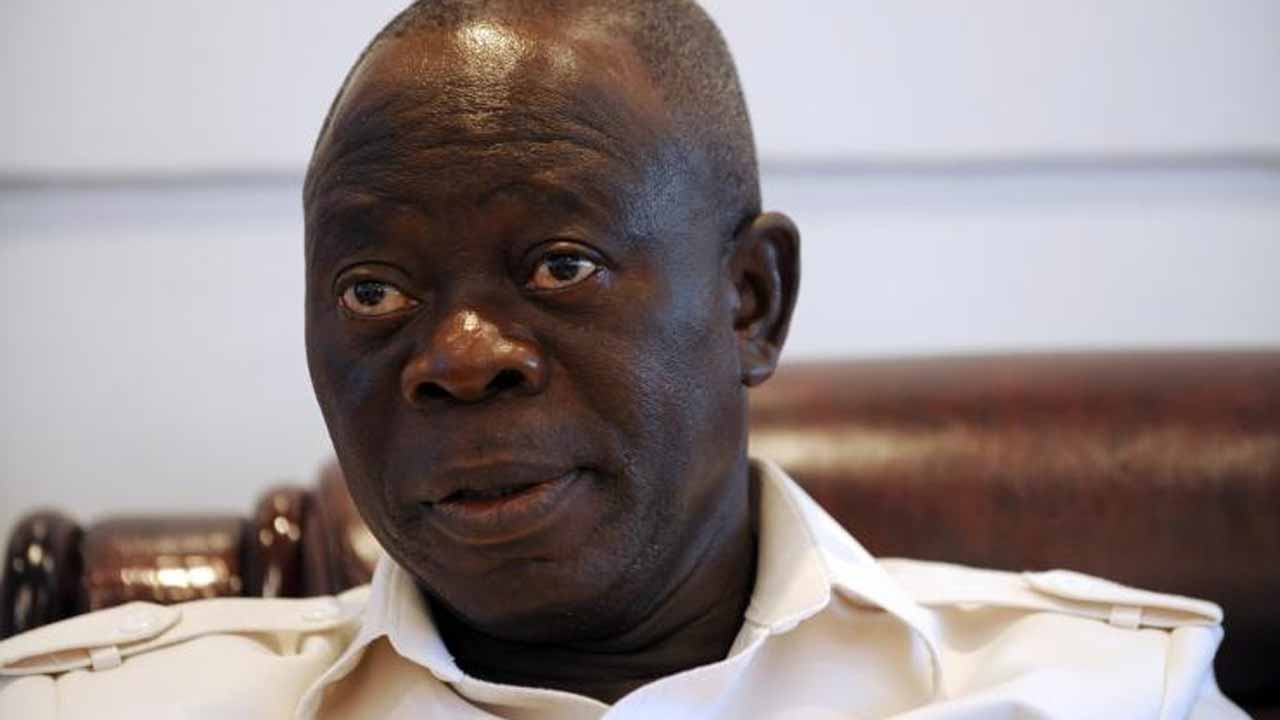
Adams Oshiomhole, a prominent Nigerian political figure, has significantly influenced the country’s political landscape. As a former governor of Edo State and the National Chairman of the All Progressives Congress (APC), his career has been marked by both achievements and controversies. His role in shaping contemporary Nigerian politics makes him a critical subject of analysis, especially in the context of ongoing political developments.
Background and Early Career
Born on April 4, 1952, in the Edo State of Nigeria, Oshiomhole’s rise to prominence began in the labor movement. He served as the president of the Nigeria Labour Congress (NLC), where he was known for his advocacy for workers’ rights and efforts to tackle corruption. His transition into politics culminated in his election as the governor of Edo State in 2007, where he served until 2016. Oshiomhole’s tenure was characterized by substantial infrastructure development and reforms aimed at improving governance.
Political Achievements
During his governorship, Oshiomhole implemented various policies aimed at revitalizing Edo State’s economy. He focused on education, healthcare, and infrastructure, which garnered him significant public support. His administration’s efforts to combat corruption and improve government transparency were notable and led to improved public perception of the government in Edo State. In 2018, he was appointed as the National Chairman of the APC, where he played a vital role in the party’s strategies during the elections.
Challenges and Controversies
Despite his successes, Oshiomhole’s political career has not been without challenges. His leadership style has drawn criticism from some quarters within the APC, leading to internal strife and factional disputes. The tensions culminated in his removal as National Chairman by a court ruling in 2020, which raised questions regarding his influence and legacy. Nevertheless, he remains a pivotal figure within Nigerian politics due to his vast experience and connections.
Conclusion
Adams Oshiomhole’s contributions to Nigerian politics cannot be overlooked. His journey from a labor leader to a governor and national political figure illustrates the complexities of Nigerian governance. As Nigeria approaches the 2023 general elections, Oshiomhole’s influence and insights into political strategies and governance are likely to be crucial. The outcomes of these elections could further shape his political trajectory and the broader landscape of Nigeria’s political future.