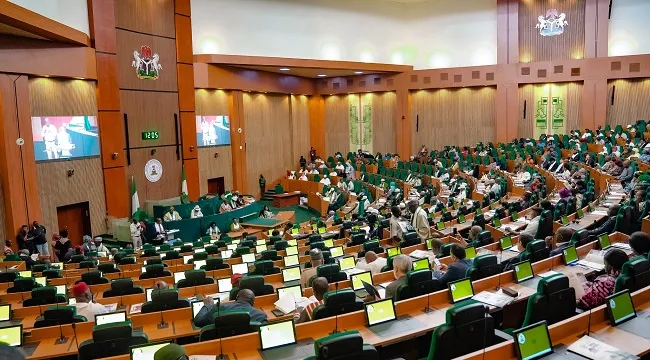
The defection of 17 lawmakers from the African Democratic Congress (ADC) to the Nigerian Democratic Congress (NDC) marks a significant shift in Nigeria’s political landscape ahead of the 2027 elections. This wave of defections raises an important question: what does this mean for the future of Nigerian politics?
In essence, these defections reflect ongoing political realignments that could reshape party dynamics as Nigeria gears up for its next general elections. Notably, two days before this announcement, prominent figures like Peter Obi and Rabiu Musa Kwankwaso switched their allegiance from ADC to NDC. Their decisions seem to have catalyzed further movement within the ranks.
The recent defections include:
- Yusuf Datti
- Uchenna Okonkwo
- Adamu Wakili
- Thaddeus Attah
- George Ozodinobi
- Lilian Orogbu
- Oluwaseyi Sowunmi
- Peter Aniekwe
- Mukhtar Zakari
- George Oluwande
- Munachim Umezuruike
- Emeka Idu
- Jesse Onuakalusi
- Ifeanyi Uzokwe
- Afam Ogene
- Murphy Omoruyi
- Abdulhakeem Ado
This context matters because it highlights a broader trend of instability and leadership crises within Nigerian political parties. The House of Representatives has seen a notable increase in defections since the beginning of the year, indicating a potential fragmentation among party affiliations.
Peter Obi articulated his motivations for joining NDC, stating, “I joined the NDC to continue the struggle for a new Nigeria built on justice, competence, accountability, and compassion for the ordinary Nigerian.” His remarks underscore a desire for reform and accountability that resonates with many constituents.
The implications of these defections remain uncertain. Will they lead to a stronger NDC or exacerbate existing divisions within ADC? As we approach election season, these developments will likely influence voter sentiment and party strategies moving forward.