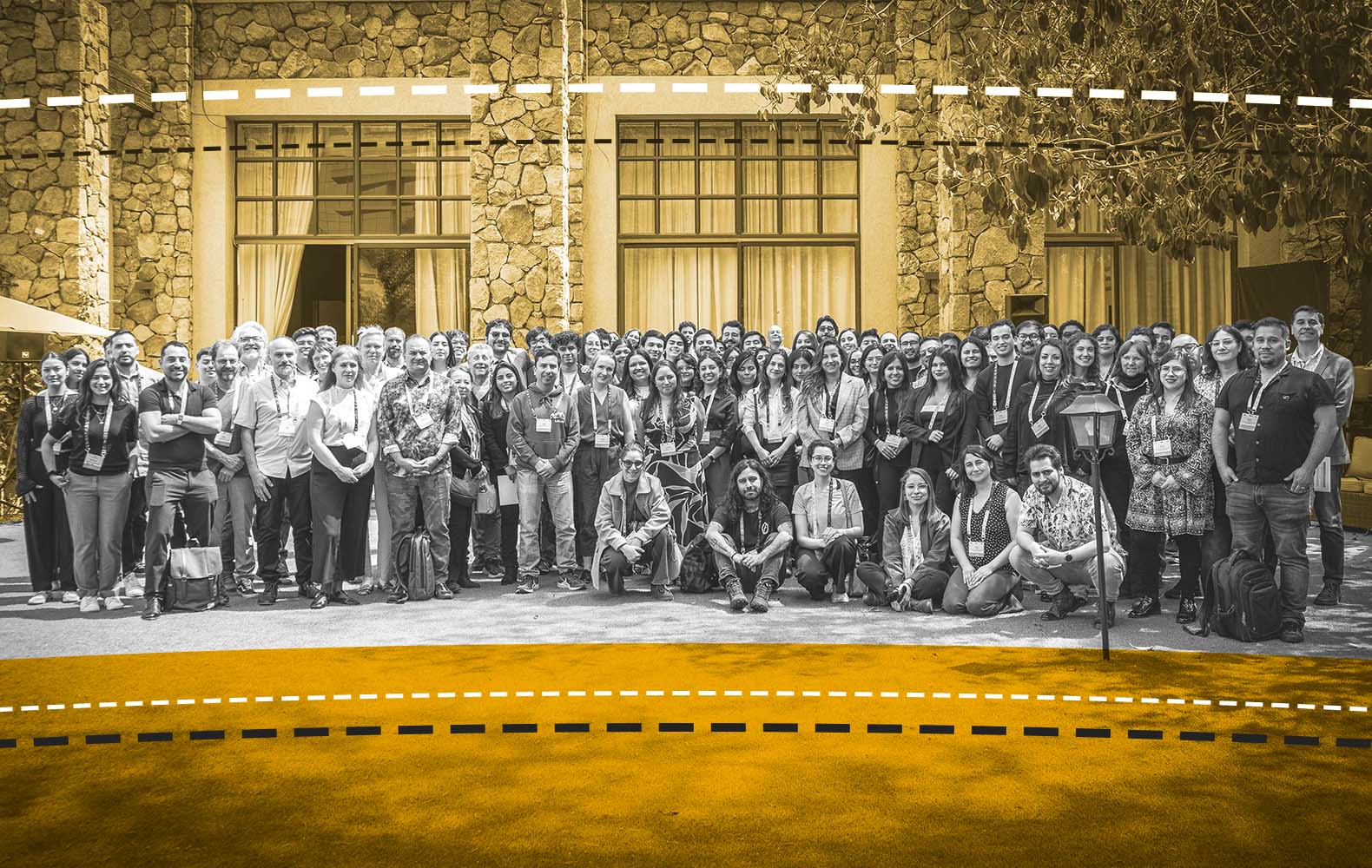
Introduction to EMBO
The European Molecular Biology Organization (EMBO) plays a pivotal role in the advancement of life sciences across Europe and beyond.
Established in 1964, EMBO supports scientists from all over the world in their quest to understand the molecular basis of life’s processes. This organization not only promotes scientific excellence but also facilitates collaboration among researchers, and informs policy and education in the life sciences.
Key Roles and Initiatives
One of the major initiatives of EMBO is the grant and funding programs that assist early-career researchers. In 2023, EMBO announced an increase in funding for over one hundred projects that tackle pressing scientific questions, particularly in the fields of genetics, biotechnology, and cellular biology.
EMBO also organizes workshops, conferences, and training sessions to encourage knowledge exchange among scientists. The annual EMBO meeting, held this year in Berlin, attracted hundreds of participants from around the globe, sharing their current research findings and fostering new collaborations.
Advocacy and Outreach
In addition to scientific work, EMBO advocates for scientific policy and education at a governmental level. Recently, their efforts focused on improving the accessibility of scientific publications, advocating for open access to ensure that research is available to all, regardless of funding capabilities.
On the educational front, EMBO launched several initiatives to enhance science education in schools, aiming to inspire the next generation of scientists. They regularly produce resources and training materials that teachers can use to engage students in the life sciences.
Conclusion
EMBO’s influence on the life sciences community cannot be overstated. By fostering collaboration, supporting researchers, and advocating for science policy, EMBO plays an essential role in shaping the future of biological research. As we move forward, the organization’s commitment to open access and education is likely to continue influencing scientific practice and public understanding of science, highlighting the interconnectedness of research efforts globally.