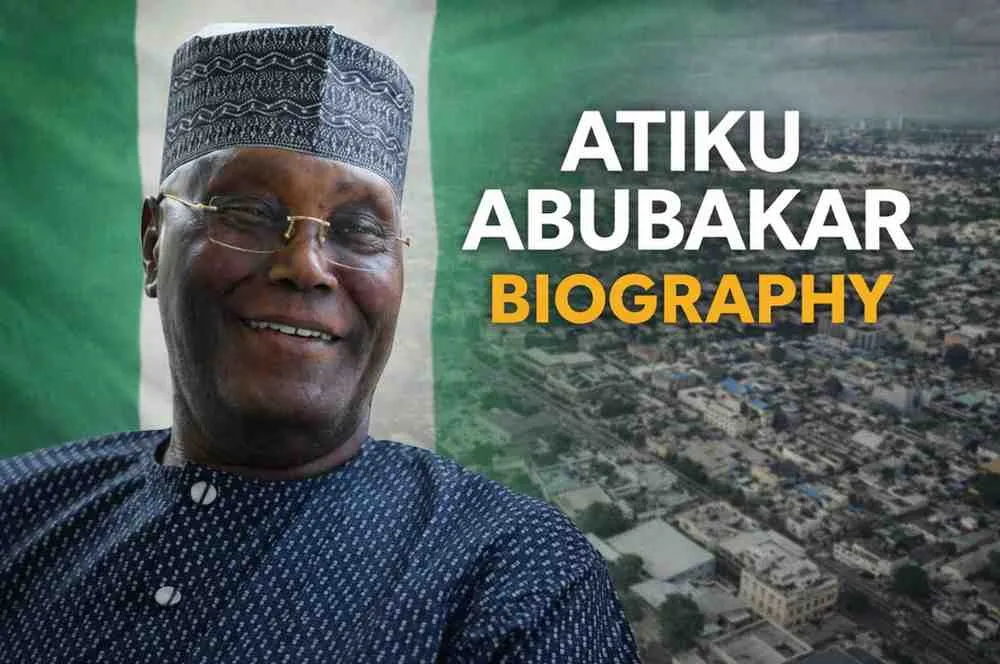
Atiku Abubakar’s upcoming US visit aims to draw international attention to Nigeria’s escalating crises, marking a significant engagement with global partners. He intends to address critical issues such as insecurity, economic hardship, and governance challenges that currently plague Nigeria.
As the date for his visit approaches, Atiku has been vocal about the dire state of the Nigerian economy. He has pointed out alarming trends: rising inflation, a weakened currency, and declining purchasing power. These factors contribute significantly to the everyday struggles of ordinary Nigerians.
The timeline of events leading up to this visit illustrates a growing urgency. Recently, Atiku described Nigeria as facing a “full-blown internal crisis” that can no longer be overlooked or politicized. He has emphasized that communities are being overrun, livelihoods destroyed, and citizens abandoned to their fate—an alarming reality that calls for immediate action.
That context matters because it shapes how Atiku plans to engage with policy and institutional stakeholders in the US. He aims not only to shed light on these issues but also to foster partnerships that could lead to tangible support for Nigeria. Notably, he has hired a lobbying firm in Washington under a $1.2 million contract to enhance his reputation and influence during this critical time.
Currently, Nigeria’s foreign reserves have plummeted to $48.37 billion as of April 29, 2026. This financial strain exacerbates the security crisis that has seen the government losing its grip on protecting lives and property. Atiku warns that any attempts to undermine transparency in the electoral process will have serious consequences as Nigeria approaches its 2027 elections.
Atiku firmly rejects claims that engaging international partners is unpatriotic or invites foreign interference. He argues compellingly that Nigeria does not exist in isolation; its internal failures have external implications—an argument that resonates strongly in today’s interconnected world.
In light of these challenges, Atiku calls for a reset of government priorities aimed at restoring public confidence in democratic institutions. The choice facing Nigeria is stark: confront hard truths now or allow the country to drift further into instability.
As he prepares for this pivotal trip, Atiku Abubakar stands at a crossroads for both his political career and Nigeria’s future. His ability to navigate these complex issues may well define not just his ambitions but also the fate of millions in his homeland.