What the data shows
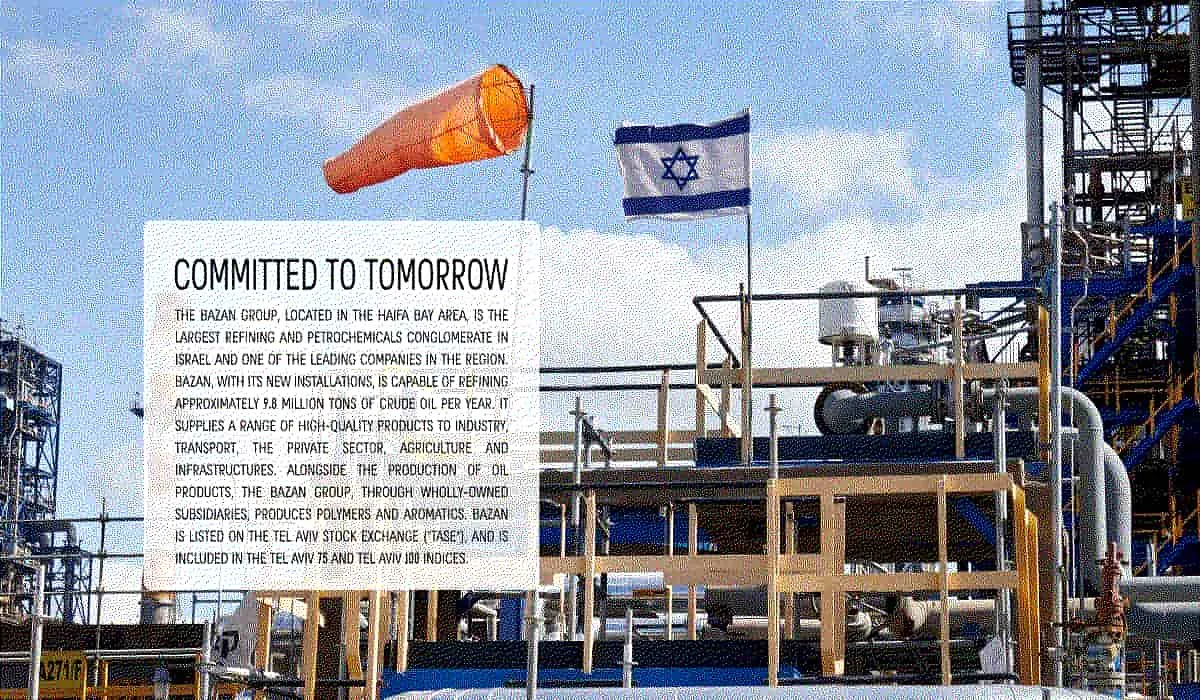
What happens when a critical energy infrastructure like the Bazan oil refinery comes under attack? This question arose on March 19, 2026, when the Bazan oil refinery in Haifa, Israel, was damaged by missile barrages launched from Iran. Fortunately, no injuries were reported at the refinery itself, but the incident raised significant concerns about the safety and security of energy supplies in the region.
The Bazan Group refinery complex is Israel’s largest oil refining facility, supplying an impressive 65 percent of the country’s diesel fuel for transportation in 2024. The missile strikes, which included three back-to-back waves of ballistic attacks, were reported to have caused damage to the facility, specifically from fallen shrapnel. Despite this, the Environmental Protection Ministry confirmed that there had been no leakage of hazardous substances from the refinery, alleviating some environmental concerns.
Energy Minister Eli Cohen addressed the situation, stating, “The damage to the electricity grid in the north is localized and not significant.” This assessment was crucial as it indicated that while the missile strikes had an impact, the overall effect on the regional power supply was manageable. Fires were reported in the Haifa area following the missile strikes, prompting a swift response from emergency services.
Magen David Adom, Israel’s national emergency service, reported treating several individuals wounded from a direct hit to a residential building in Kiryat Shmona, where four people were injured, including a man in his 60s who suffered severe injuries. Emergency responders were deployed to the Bazan site to assess conditions and monitor for hazardous materials, with 15 firefighting teams sent to manage the situation.
These missile strikes are part of a broader pattern of hostilities, as the Bazan oil refinery has been a recurring target throughout the ongoing conflict with Iran. The missile that struck the refinery was reported to carry a cluster warhead, which created multiple impact locations across the Haifa area, raising alarms about the potential for widespread damage.
In 2024, the Bazan Group also supplied 59 percent of Israel’s gasoline and 52 percent of its kerosene, underscoring the refinery’s critical role in the nation’s energy infrastructure. The attacks on such a vital facility highlight the vulnerabilities that exist within Israel’s energy sector, especially in times of heightened tensions.
As the situation continues to develop, details remain unconfirmed regarding the full extent of the damage to the refinery and the implications for energy supply in Israel. The government and relevant agencies are likely to conduct thorough assessments to ensure the safety of the facility and the surrounding community.
In summary, while the Bazan oil refinery sustained damage from missile strikes, the immediate response has been effective in preventing injuries at the facility. The incident serves as a reminder of the ongoing threats faced by critical infrastructure in conflict zones and the importance of preparedness in safeguarding energy supplies.