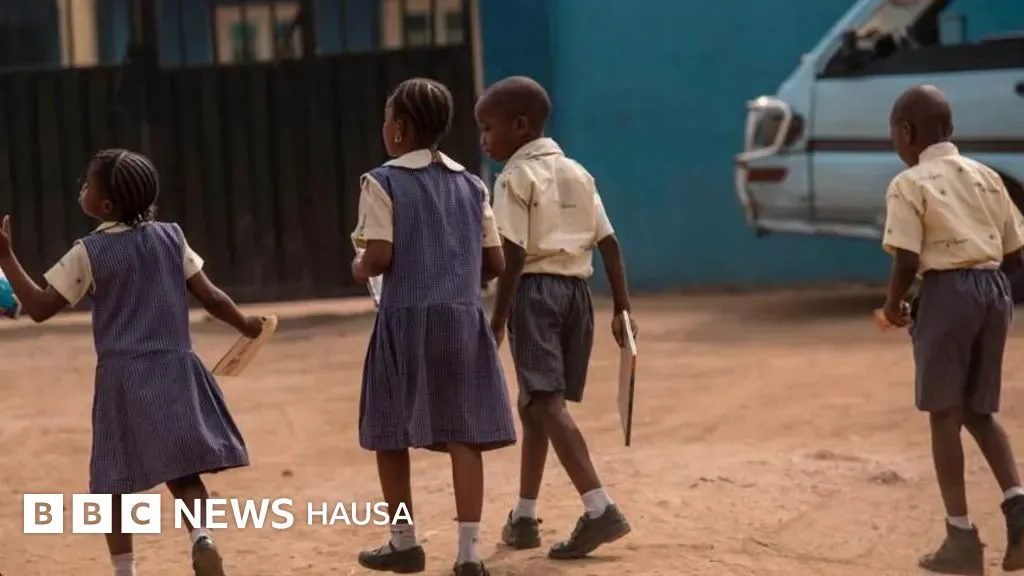
The reopening of schools in Nigeria is significantly influenced by improvements in security conditions. After a prolonged period of disruption, many families are hopeful that their children, or yara, will return to makaranta.
In recent months, the situation began to change. Reports indicate that approximately 70% of previously closed schools have reopened due to enhanced tsaro. This change is crucial for the education sector, which has suffered immensely over the past few years.
Historically, many schools were shut down because of escalating violence and insecurity. Families were forced to leave their homes, disrupting the educational journeys of countless children. An anonymous source mentioned, “Harkar tsaro ta sa waɗanda suke zaune da iyayensu sun bar wurin, makarantun da ke a nan, an rufesu.” This reflects the harsh reality faced by many.
Fast forward to today. The current state shows a marked improvement. With about 18 million children still out of school, the reopening of these institutions offers a glimmer of hope. Yet, challenges remain. Many families are still hesitant to return to areas that were once considered dangerous.
This sequence of events matters because it directly impacts iyaye, or parents who want their children to receive an education. The safety of their children is paramount. A local educator noted that “Waɗannan wurare a da duk an rufe makarantansu amma yanzu cikin ikon Allah kusan kashi 70 cikin 100 na waɗannan wurare an samu tsaro kuma an buɗe akasarin makaruntu ko ana kan buɗewa.” This highlights the ongoing efforts to restore normalcy.
As schools continue to reopen, communities are beginning to rebuild trust in the educational system. Parents are eager for their children to regain lost time and opportunities for learning and growth.
The road ahead may still be fraught with uncertainties—families remain cautious about fully returning to areas previously affected by violence. However, each reopened school represents a step toward recovery for both children and communities alike.