What the data shows
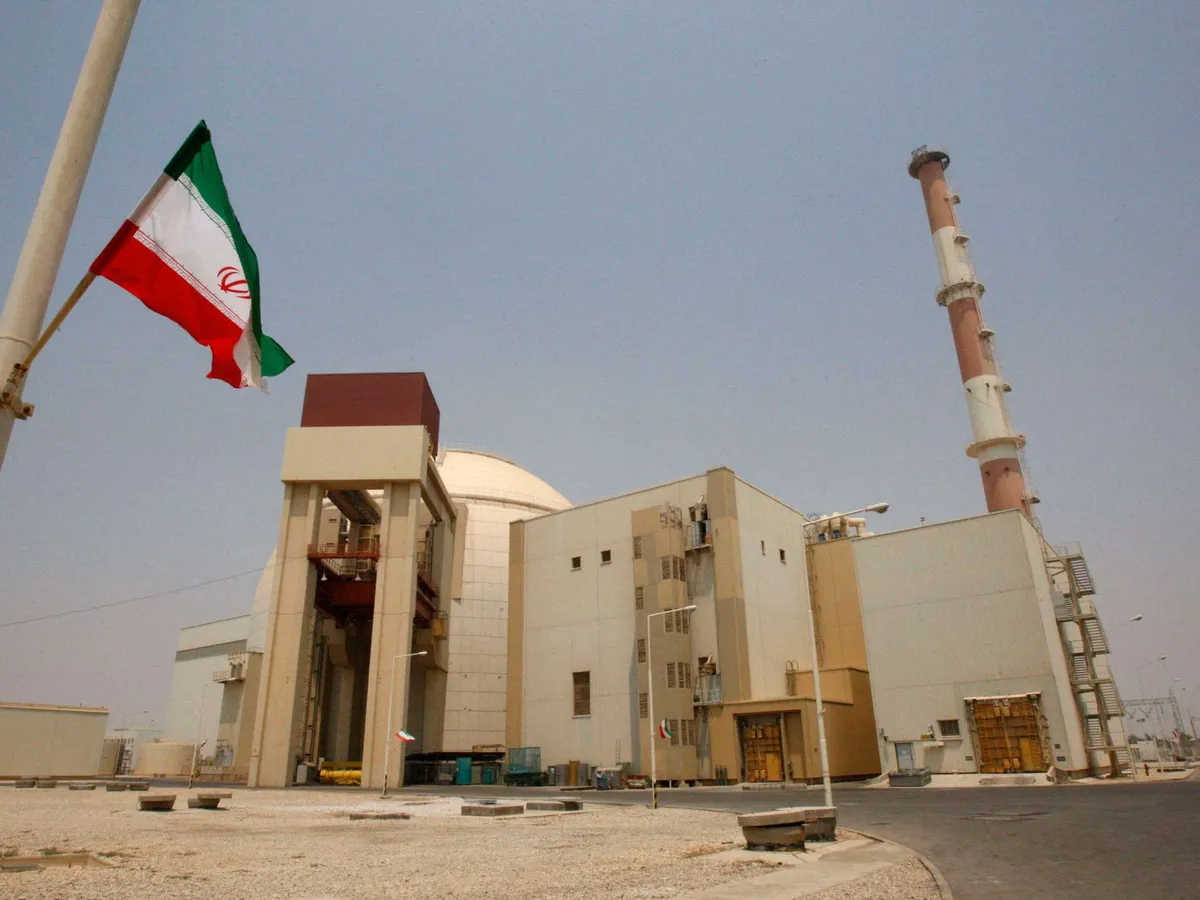
The recent attacks on the Bushehr nuclear power plant raise critical questions about the safety and security of nuclear facilities in conflict zones. The Bushehr nuclear power plant is Iran’s only functioning nuclear plant, and it has been attacked four times since the onset of the US-Israel war on Iran, which began on February 28, 2026. The latest attack occurred on April 4, 2026, resulting in the death of one security guard and damage to a side building.
Built by Russia, the Bushehr plant is the first nuclear power plant in the Middle East and currently provides about 1,000 megawatts (MW) to Iran’s national grid. Despite its significance, the plant contributes only 1% to 2% of Iran’s total power needs. This raises questions about the strategic importance of targeting such a facility, especially given the potential for catastrophic consequences.
The International Atomic Energy Agency (IAEA) has warned that targeting the Bushehr plant could trigger a regional catastrophe. Rafael Grossi, the IAEA Director General, emphasized that “nuclear power plant sites or nearby areas must never be attacked.” This statement underscores the international community’s concerns regarding the implications of military actions near nuclear facilities.
In the context of the ongoing conflict, Iranian officials have condemned the attacks as violations of international law. Mohammad Eslami, an Iranian official, stated, “The attacks were a clear violation of international law and an instance of a war crime.” Such declarations highlight the legal and ethical ramifications of military actions in proximity to nuclear sites.
The Bushehr plant uses low-enriched uranium sourced from Russia and employs Russian technicians, further complicating the geopolitical landscape. The facility’s cooling system is critical to prevent a reactor meltdown, making the security of the plant paramount. The IAEA reported no increase in radiation levels following the latest attack, but the potential for disaster remains a pressing concern.
As tensions escalate, the future of the Bushehr nuclear power plant hangs in the balance. Two additional reactor units are expected to be operational by 2029, which could increase Iran’s nuclear capabilities and further complicate regional security dynamics. The population of Bushehr city, which stands at approximately 250,000, is directly affected by the safety of this facility.
While the international community watches closely, uncertainties remain about the long-term implications of these attacks. Abbas Araghchi, a senior Iranian diplomat, warned, “Radioactive fallout will end life in GCC capitals, not Tehran,” indicating the far-reaching consequences of a potential nuclear incident. As the situation develops, the safety of the Bushehr nuclear power plant will continue to be a focal point in discussions surrounding nuclear energy and regional stability.