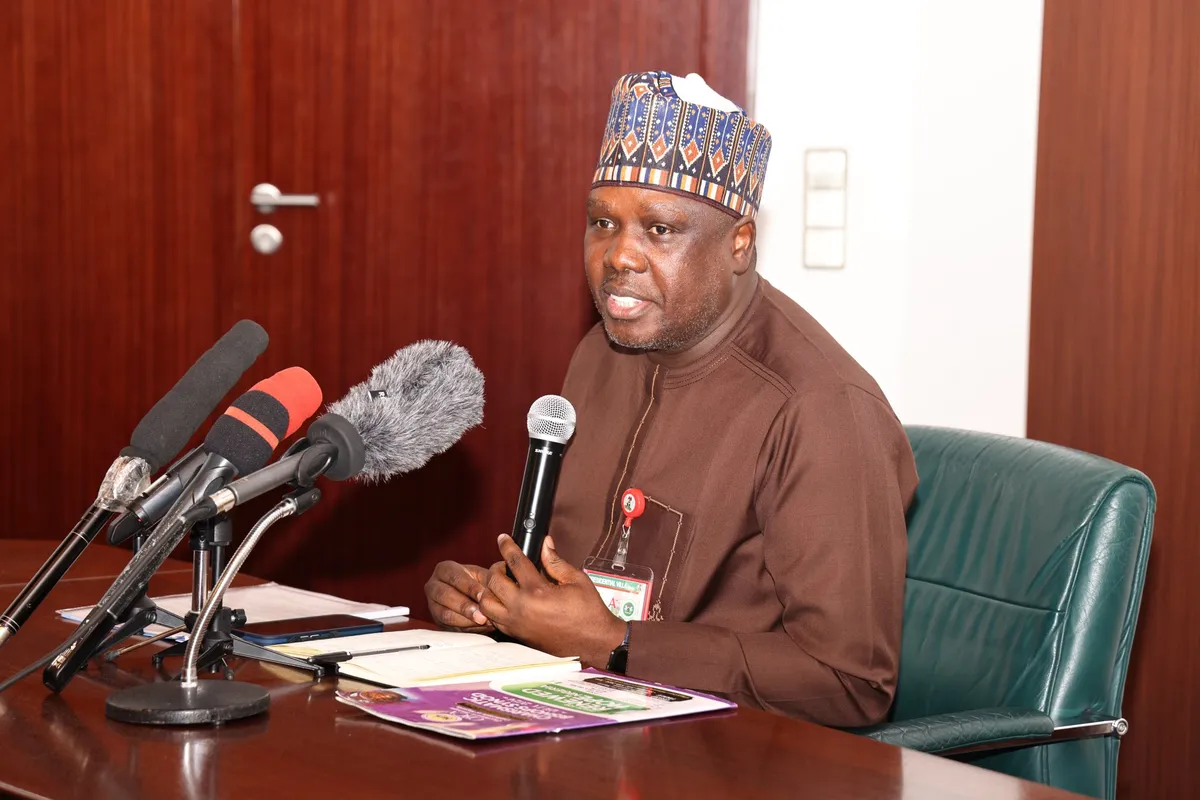
Daniel Bwala’s Interview with Mehdi Hasan
In a recent interview that aired on Al Jazeera’s ‘Head to Head’ program, Daniel Bwala, the Special Adviser to President Bola Tinubu on Policy Communication, addressed various political issues and controversies surrounding his past comments about Tinubu. The interview, which lasted 49 minutes and 30 seconds, has garnered significant attention, amassing over 400,000 views on YouTube.
Bwala, who previously made critical remarks about Tinubu while in opposition, clarified his stance during the interview. He stated, “I never said that,” in response to allegations regarding his past statements. Bwala emphasized that political alliances often shift in democratic systems, suggesting that his previous criticisms should be viewed in that context.
During the interview, Bwala accused Mehdi Hasan of employing what he described as “opposition research-style journalism,” indicating that he felt ambushed by the questions regarding his past comments. He expressed surprise at not being informed that these remarks would be a focal point of the discussion, which he believed detracted from the broader political discourse.
Despite the contentious nature of the interview, Bwala acknowledged his respect for Hasan, stating, “I still have admiration and respect for Mehdi Hasan as arguably the best debater on the planet.” This acknowledgment reflects Bwala’s understanding of the importance of robust debate in political discourse, even when faced with challenging questions.
Bwala also took a moment to thank supporters who praised his performance during the interview, indicating that he is prepared to defend the government’s position on any platform. He remarked, “It is all politics,” underscoring the complex nature of political narratives and the shifting allegiances that characterize the landscape.
Looking ahead, Bwala hinted at the possibility of a part two of the interview with Mehdi Hasan, suggesting that there may be more discussions to come that could further clarify his views and the government’s policies. Observers are keenly awaiting any follow-up that may provide additional insights into the current political climate in Nigeria.
As the political landscape continues to evolve, Bwala’s comments and the reactions to his interview will likely remain a topic of discussion among political analysts and the public. Details remain unconfirmed regarding the specifics of any future engagements, but the implications of this interview are expected to resonate within the political community for some time.