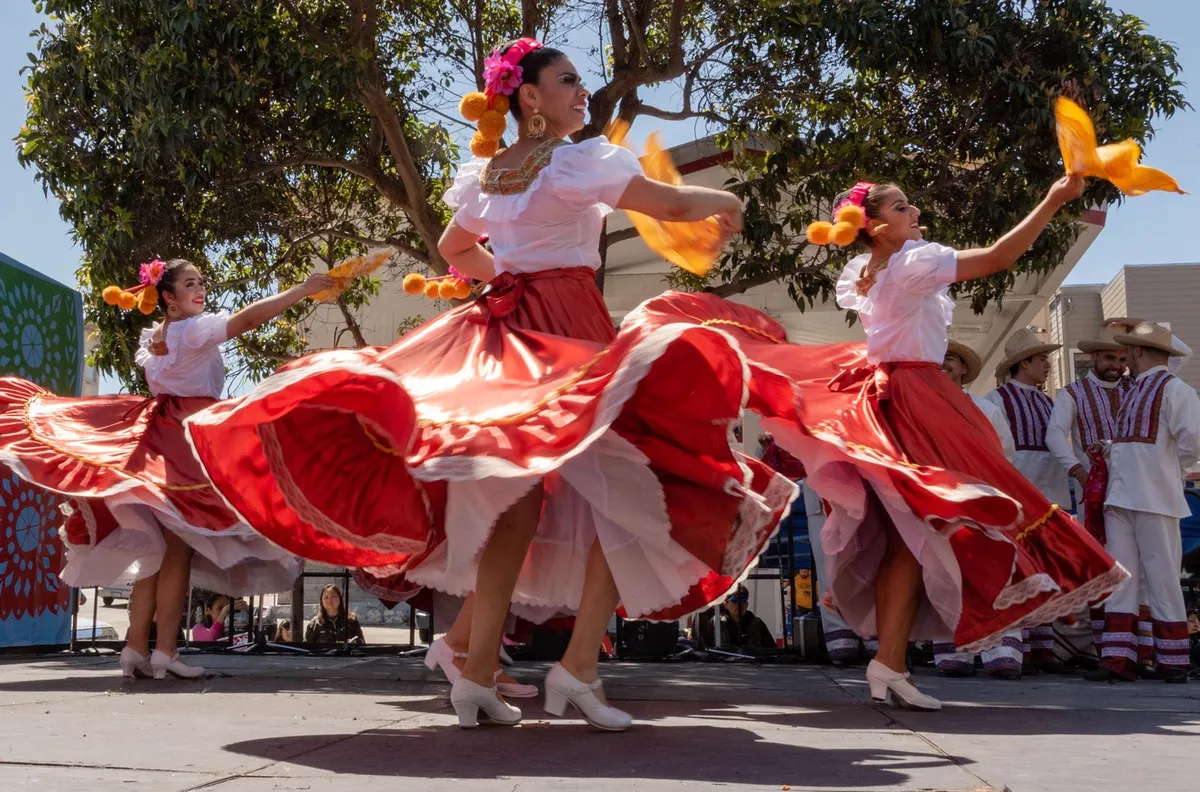
Cinco de Mayo is celebrated on May 5 each year in the United States, marking Mexico’s victory over French forces at the Battle of Puebla in 1862. What began as a minor Mexican holiday has transformed into a vibrant celebration of Mexican-American culture, complete with margaritas, cervezas, guacamole, and tacos.
Initially celebrated in California shortly after the battle, this holiday gained traction in the U.S. during the 1970s and 1980s, largely due to marketing efforts by beer companies. Today, it symbolizes resilience and cultural pride for many Mexican-Americans.
The first recorded American Cinco de Mayo celebration occurred in 1862. As David Hayes-Bautista notes, “For Mexicans in the U.S., the Civil War and the French invasion of Mexico were like one war with two fronts.” This connection to history gives depth to what might otherwise be dismissed as just another party day.
That context matters because it highlights how Cinco de Mayo is often confused with Mexico’s Independence Day, which is celebrated on September 16. Many people associate it with sombreros and tequila shots, but there’s so much more to it.
Key elements of the celebration include:
- Mole poblano — a traditional dish eaten in Puebla on this day.
- Sotol — an emerging spirit recognized as the third major Mexican spirit after tequila and mezcal.
- A variety of events such as parades, music festivals, and community gatherings aimed at fostering Chicano pride.
Despite declining alcohol consumption trends in the U.S., people are increasingly interested in authentic and artisanal products. This shift has led to a growing appreciation for traditional beverages like sotol, which takes years to mature before it can be enjoyed.
The tradition of celebrating Cinco de Mayo has continued without interruption since its inception in Los Angeles. Yet, as celebrations grow larger each year, observers note that they often overshadow genuine cultural appreciation with stereotypes. As one expert pointed out, “It reminds us that Mexico is not a caricature of sombreros and shots.”