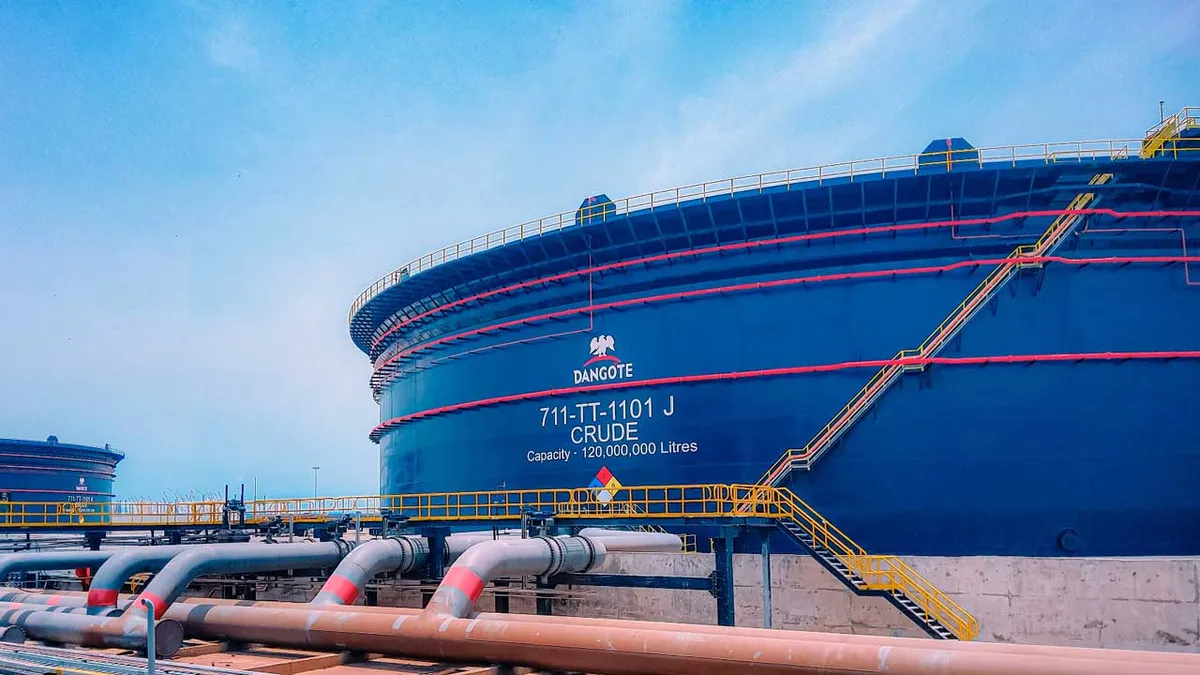
What is the current status of the Dangote refinery fuel price?
On March 10, 2026, the Dangote refinery announced a reduction in its ex-gantry petrol price to ₦1,075 per litre, down from ₦1,175 per litre. This price cut of ₦100 marks the first decrease after three consecutive hikes in petrol prices, indicating a potential shift in the fuel pricing landscape.
What are the implications of this price reduction?
In addition to the petrol price adjustment, the price of diesel has also been reduced to ₦1,430 per litre from ₦1,620 per litre. The coastal distribution price for petrol now stands at ₦1,050 per litre. These changes are significant as they may alleviate some of the financial pressures on consumers and businesses alike, especially in light of recent volatility in global oil prices.
What led to these price adjustments?
The adjustments in fuel prices at the Dangote refinery are reflective of broader trends in the global oil market, which have been influenced by various geopolitical events. According to a statement from the refinery, “Under the revised pricing structure, the gantry price of PMS has been reduced from ₦1,175 to ₦1,075 (₦100) per litre.” This indicates a responsive strategy to fluctuating oil prices and market demands.
Who is affected by these changes?
The changes in fuel pricing are expected to impact a wide range of stakeholders, including consumers, transport operators, and businesses reliant on fuel for operations. Dr. Billy Gillis-Harry noted, “The reality is that if you look at the volatility in the price from what we are seeing today, the Dangote Refinery is the salvation for us due to the consistent source of product, which is much more important at this time than anything.” This underscores the refinery’s role in stabilizing fuel supply amid fluctuating prices.
What were the previous price trends?
Prior to the recent reductions, petrol prices had seen a steady increase, with prices recorded at ₦995 per litre on March 7, 2026, and ₦874 per litre on March 2, 2026. These increases had raised concerns among consumers and businesses, prompting calls for more stable pricing mechanisms.
What challenges remain in the fuel market?
Despite the recent price cuts, challenges in the fuel market persist. David Bird, a key industry figure, mentioned, “We have paused loadings as of midnight, and we’re updating the system to the new gantry price as a result of oil spiking $30 in the last 24 hours.” This highlights the ongoing volatility in oil prices and the potential for further adjustments in the near future.
What comes next?
As the market adjusts to these new prices, the long-term implications for consumers and the economy remain to be seen. Stakeholders will be closely monitoring the situation for any further changes in pricing and supply dynamics. Details remain unconfirmed regarding how these price adjustments will influence overall market stability in the coming weeks.