Significant Price Increase
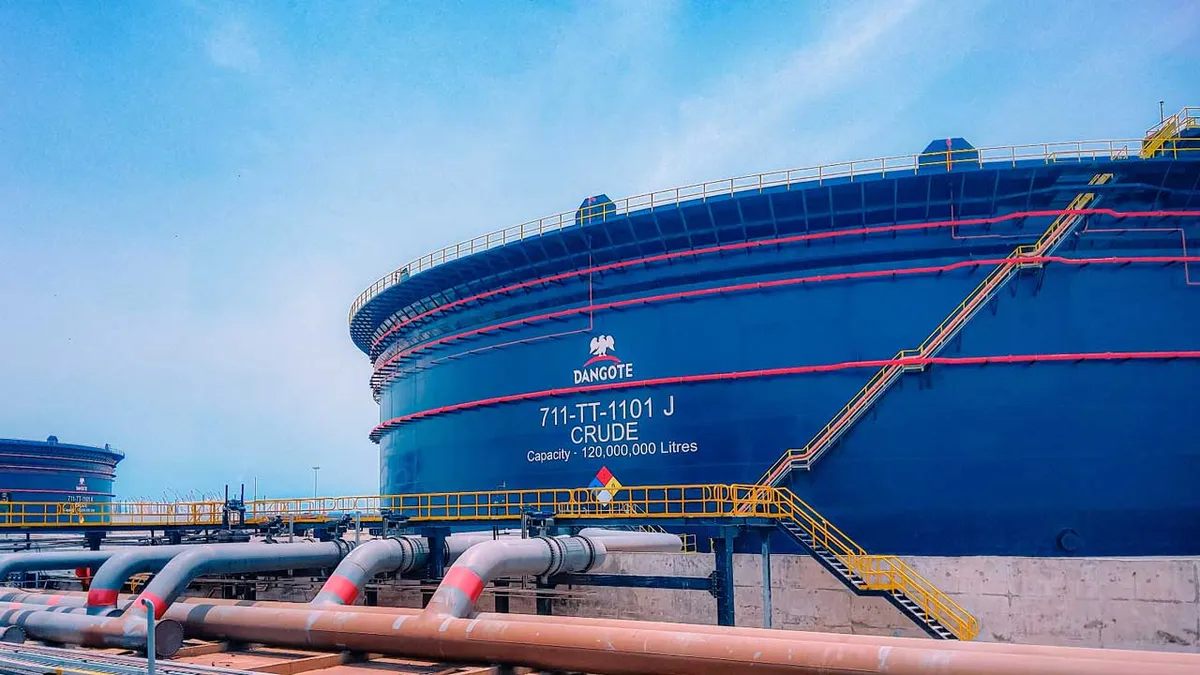
The Dangote Petroleum Refinery has recently increased its petrol gantry price by N100, raising the ex-depot rate from N774 to N874 per litre. This adjustment represents an increase of approximately 12 percent, reflecting the refinery’s response to rising global oil prices and supply chain challenges.
Causes of the Price Adjustment
Several factors have contributed to this price increase. Notably, Brent crude prices have risen significantly due to geopolitical tensions in the Middle East, which have disrupted refining activities and tightened the global supply of petroleum products. The refinery has absorbed 20 percent of the cost escalation to cushion the domestic market, but the new gantry price has now reached N995 per litre, marking a N221 rise within just four days.
Comparative Pricing
In comparison, imported petrol is currently priced at N809.83 per litre, making it N64.2 per litre cheaper than Dangote’s petrol. This discrepancy raises questions about the competitiveness of local production versus imports, especially as the refinery receives only five cargoes a month from the Nigerian National Petroleum Corporation (NNPC), which falls short of the 13 cargoes required to adequately support sales into Nigeria.
Cost of Crude Oil
The landing cost of crude oil at the refinery ranges between $88 and $91 per barrel, with Nigerian crude oil being more expensive than the Brent benchmark price by $3 to $6 per barrel. These costs further complicate the refinery’s pricing strategy and its ability to maintain stable fuel prices in the domestic market.
Implications for the Domestic Market
The recent price adjustments have raised concerns among consumers and stakeholders about the potential for increased fuel costs across Nigeria. A senior official of the refinery confirmed the new gantry price, stating, “Yes, the price has been reviewed. The new gantry price is now N995 per litre.” This increase may affect transportation costs and the overall economy, as fuel prices are a critical component of operational expenses for various sectors.
Despite the challenges, the Dangote Petroleum Refinery has expressed its commitment to ensuring that Nigeria is insulated from these supply shocks by prioritizing supply to the domestic market. A spokesperson stated, “Selling below cost would undermine its ability to procure crude, sustain production and guarantee uninterrupted supply to Nigerians.” This highlights the delicate balance the refinery must maintain between pricing and supply stability.
As the situation develops, the impact of these price changes on the broader economy and consumer behavior remains to be seen. Details remain unconfirmed regarding how long these prices will remain in effect and whether further adjustments are anticipated in the near future.