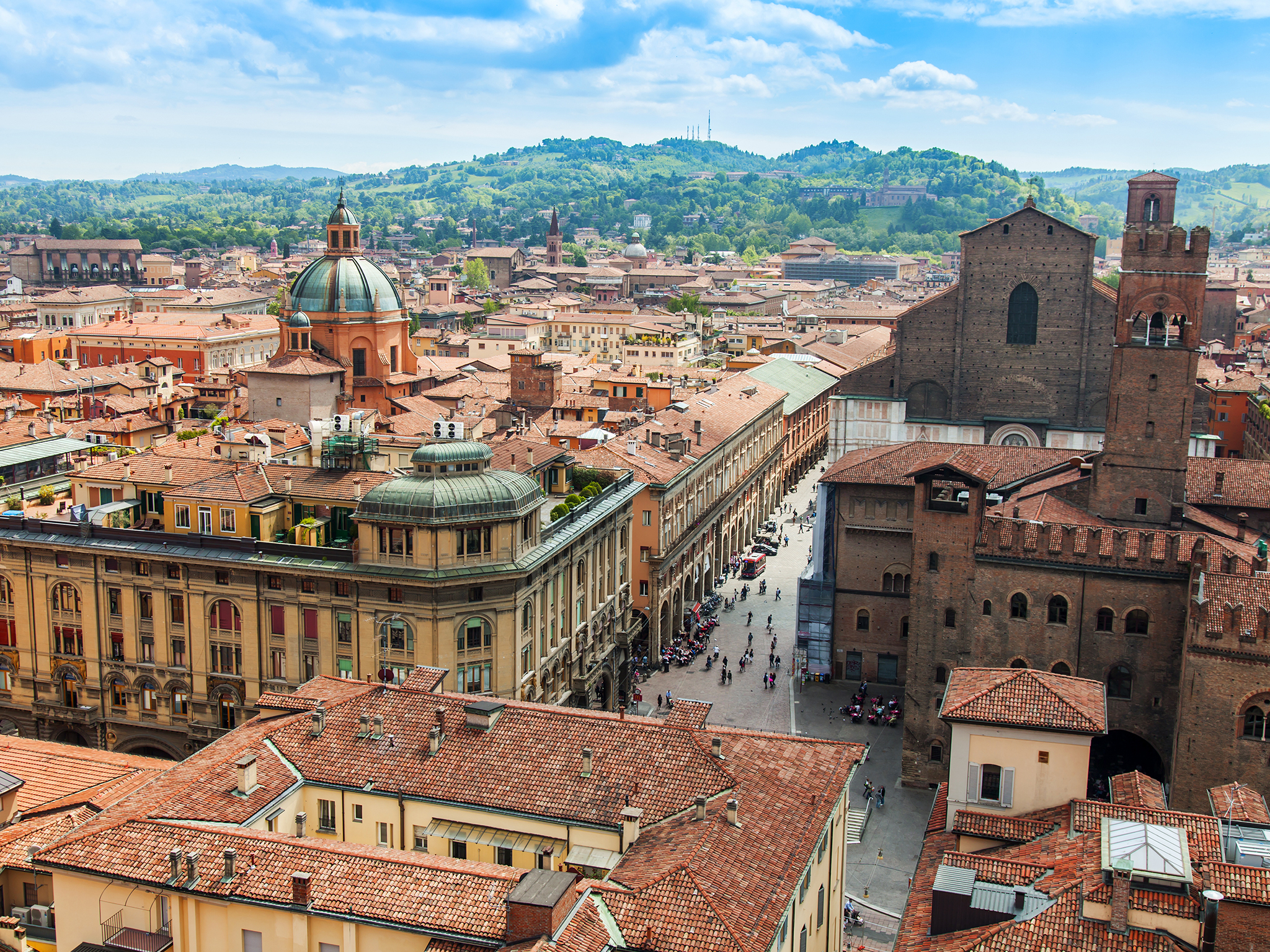
Introduction: The Importance of Bologna
Bologna, a vibrant city in northern Italy, is renowned not only for its rich history and exceptional culinary offerings but also for being one of the oldest academic centers in the world. Its unique blend of culture, educational prestige, and gastronomy makes it a significant destination for tourists and scholars alike. As the capital of the Emilia-Romagna region, Bologna serves as a hub of cultural and economic activity, attracting visitors from across the globe.
Historical Significance
Founded in the 6th century BC, Bologna boasts a wealth of historical sites, from medieval towers to ancient churches. The city is home to the University of Bologna, established in 1088, which is recognized as the oldest university in continuous operation. This prestigious institution has been a leading center for education, producing many notable scholars and significant contributions to various fields, including law, arts, and sciences. Today, Bologna preserves its historical essence with its well-preserved architecture, defined by the iconic terracotta buildings that give the city its warm hue.
Culinary Delights
Bologna is often dubbed the food capital of Italy. The city is famous for its exquisite cuisine, particularly its rich and flavorful ragù sauce, which pairs perfectly with handmade pasta like tagliatelle. Local specialties such as tortellini, mortadella, and lasagna originate from Bologna, drawing food enthusiasts to savor authentic Italian dishes. The annual Bologna Food Festival attracts thousands of visitors, celebrating the region’s culinary heritage and inviting chefs from around the world to showcase their skills.
Cultural Events and Modern Bologna
The city hosts numerous festivals and events throughout the year, combining tradition with contemporary culture. The Bologna Children’s Book Fair, held annually, is a significant event in the publishing industry, showcasing children’s literature from around the world. Additionally, Bologna has embraced modern arts, with contemporary galleries and installations that reflect the city’s evolving identity while honoring its rich heritage. The vibrant nightlife and thriving café culture make Bologna a lively destination for both locals and tourists, providing a unique atmosphere to enjoy the city’s offerings.
Conclusion: The Significance of Bologna
As a UNESCO City of Music, Bologna continues to thrive as a cultural capital, blending its historical roots with modern influences. The city’s commitment to preserving its heritage while fostering innovation makes it an essential destination for anyone interested in exploring the intersections of history, education, and gastronomy. For those planning a visit, Bologna promises an enriching experience filled with unforgettable flavors, sights, and knowledge that highlight the best of Italian culture.