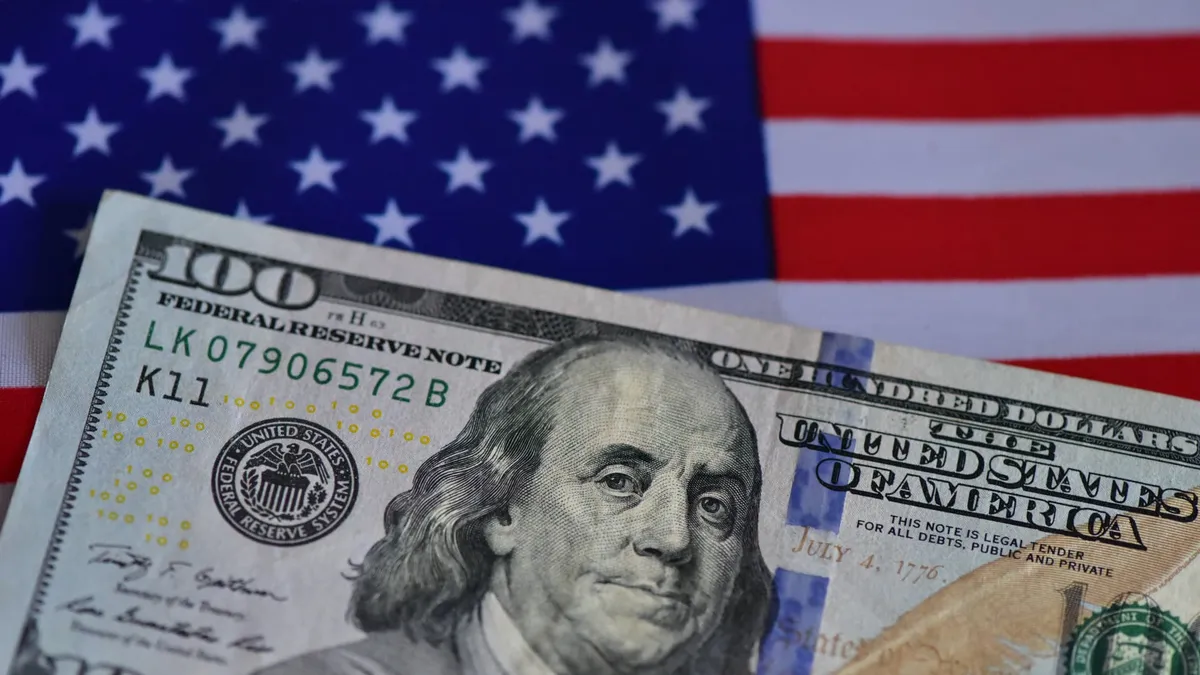
The US dollar has long stood as a pillar of global trade, its dominance seemingly unshakeable. However, recent geopolitical tensions have begun to challenge that supremacy. Afreximbank’s initiative to promote local currency transactions across Africa aims to alleviate pressure on the dollar, especially as conflicts simmer in the Middle East.
Before this development, expectations leaned heavily on the stability of the US dollar. Traders watched as the dollar index hovered around 99.3. Yet, uncertainty loomed over US-Iran talks, causing a shift that many did not foresee.
In a decisive moment, the dollar index slipped below 98.5—down 0.18%. This decline occurred against a backdrop of rising oil prices and escalating conflict in the region. The ongoing conflict began with US-Israeli strikes on Iran on February 28, raising alarm bells across global markets.
The immediate effects are already visible. Afreximbank launched a $10 billion crisis response program aimed at helping African nations navigate these turbulent waters. Their strategy includes backing local currency crude supply frameworks in Nigeria, which could drastically reduce demand for dollars within the petroleum value chain.
Mr. Denys Denya from Afreximbank emphasized this shift: “We are also supporting local currency arrangements in strategic value chains. This helps to reduce demand for dollars and gives economies more room to manage their resources effectively.” This approach could indeed be a game-changer for African economies.
But why does this matter? The push for local currency trade could help conserve foreign reserves and stabilize exchange rates—a pressing need for many countries facing economic challenges. As tensions in the Strait of Hormuz threaten about one-fifth of global oil shipments, every ounce of stability counts.
With total assets at Afreximbank reaching $48.5 billion and net income climbing to $1.2 billion in 2025, their backing is substantial. The Federal Reserve’s expected unchanged policy rate may further complicate matters for the dollar as it faces mounting pressure from alternative currencies.
Experts suggest that this initiative could reshape how African nations engage in trade—fostering deeper regional commerce while minimizing reliance on the US dollar. The implications extend beyond borders; they resonate across global markets.
As we navigate this evolving landscape, one question remains: Can Afreximbank’s efforts truly redefine financial systems in Africa? Only time will reveal their full impact.