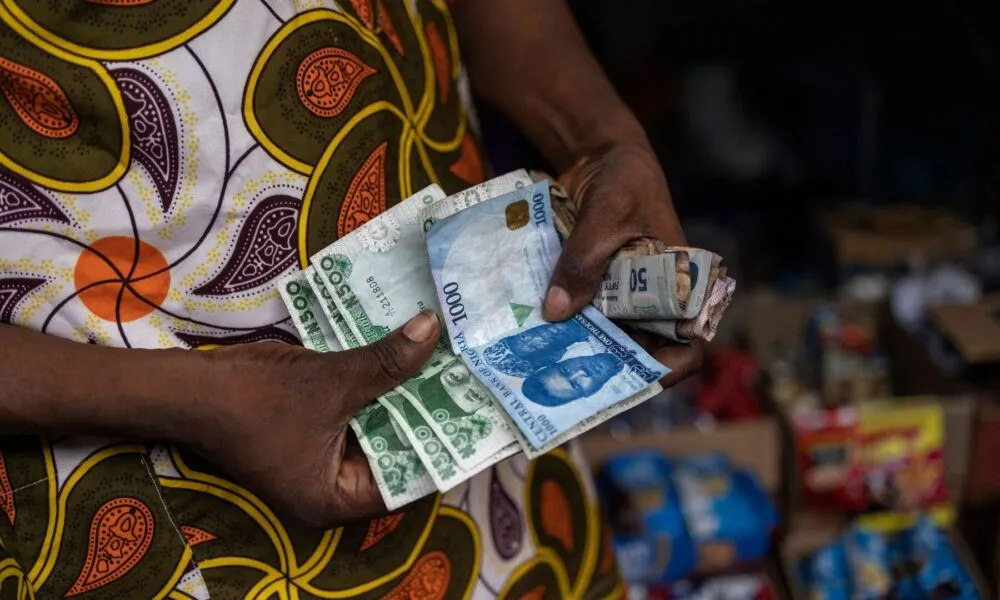
The dollar to naira exchange rate has long been a crucial indicator of Nigeria’s economic health. Just a year ago, the naira struggled against the dollar, trading at rates that reflected a widening gap between official and black market values. Back then, the official rate hovered around ₦1,395 for buying and ₦1,400 for selling in the black market. This disparity created significant challenges for businesses and individuals relying on foreign currency.
Fast forward to April 17, 2026. The official exchange rate now stands at ₦1,340.88 per dollar. This is a notable gain of at least N1.4 against the dollar compared to the previous day’s rate of ₦1,342.3037 set by the Central Bank of Nigeria (CBN). What changed? A series of monetary reforms aimed at stabilizing the naira have begun to bear fruit.
Yet, while the official rates show improvement, the black market continues to operate independently. On the same day in April, the black market buying rate reached ₦1,420 and selling at ₦1,430. This indicates a persistent demand for dollars that remains strong as Nigeria enters the second quarter of 2026.
This context matters because it underscores ongoing economic challenges. Access to official dollar allocations remains limited for many individuals and small businesses. As a result, many continue to rely on informal forex segments where rates can fluctuate wildly.
Interestingly, financial analysts attribute this newfound stability of the naira not only to reforms but also to improved crude oil output and a more transparent price discovery system. These factors have helped narrow the gap between official and black market rates considerably over the past year.
Market participants are advised to keep an eye on real-time rates due to the sensitivity of this market to daily supply shifts. It’s a reminder that even small changes can have large implications in such a volatile environment.
The dollar to naira exchange rate isn’t just numbers; it reflects broader economic realities affecting importation costs and living expenses for Nigerians. As we analyze these developments, it’s clear that understanding this dynamic is essential for anyone navigating Nigeria’s economic landscape.
As we look ahead, uncertainties remain regarding how these trends will evolve amidst ongoing global economic pressures. Details remain unconfirmed about potential future interventions from the Central Bank or other governing bodies.