Introduction
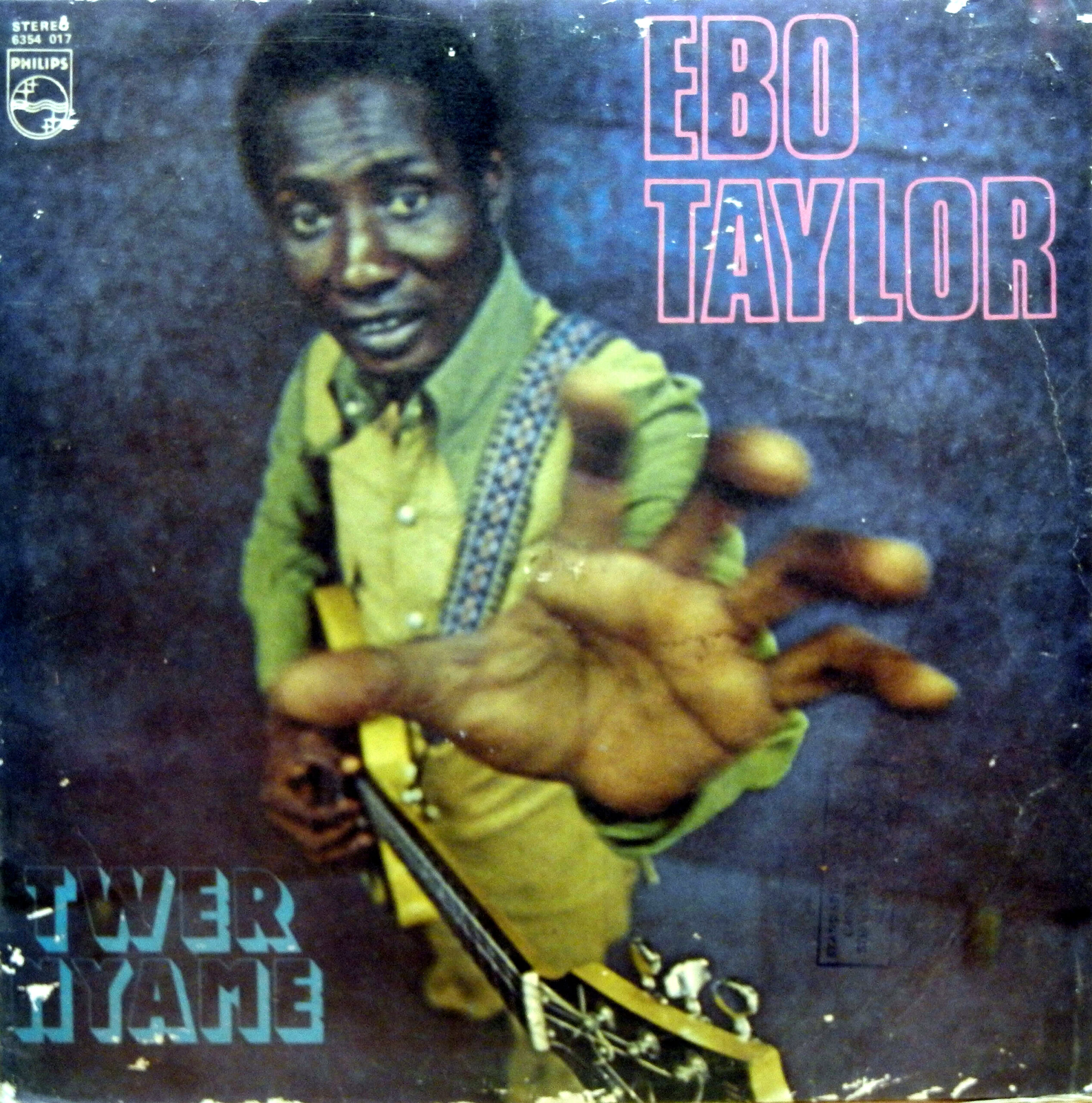
Ebo Taylor, a prominent figure in the Ghanaian music scene, has made a significant impact with his unique blend of highlife and Afrobeat. His work not only resonates within Ghana but has also crossed borders, influencing musicians and fans worldwide. The significance of Ebo Taylor lies not just in his music but in his role as a cultural ambassador who showcases the richness of Ghanaian heritage through sound.
Musical Journey
Born on January 15, 1936, Ebo Taylor grew up in Goum, Ghana. He was deeply influenced by traditional music, which laid the foundation for his career. Taylor first gained recognition in the 1950s and 1960s, performing with various bands and developing a distinct style that combined elements of jazz, blues, and traditional Ghanaian sounds. His album, “Love and Death” released in 1973, is considered a masterpiece and has been rediscovered by a new generation of music lovers.
Recent Activities and Recognition
In recent years, Taylor has been increasingly recognized for his contributions to music. His work has been celebrated in various international music festivals, including Fela Kuti’s festival in Nigeria. In 2021, he released a new album titled “Yen Ara”, which received critical acclaim and further solidified his legacy. With collaborations from young artists, Ebo Taylor bridges the gap between generations and continues to inspire emerging musicians.
Conclusion
Ebo Taylor’s musical legacy is a testament to the vibrancy of African music and its ability to adapt and evolve. As he continues to perform and create, his influence will undoubtedly shape the future of Ghanaian highlife and afrobeat. For music enthusiasts and cultural historians, understanding Taylor’s journey opens a window to the broader narrative of Ghana’s music evolution.