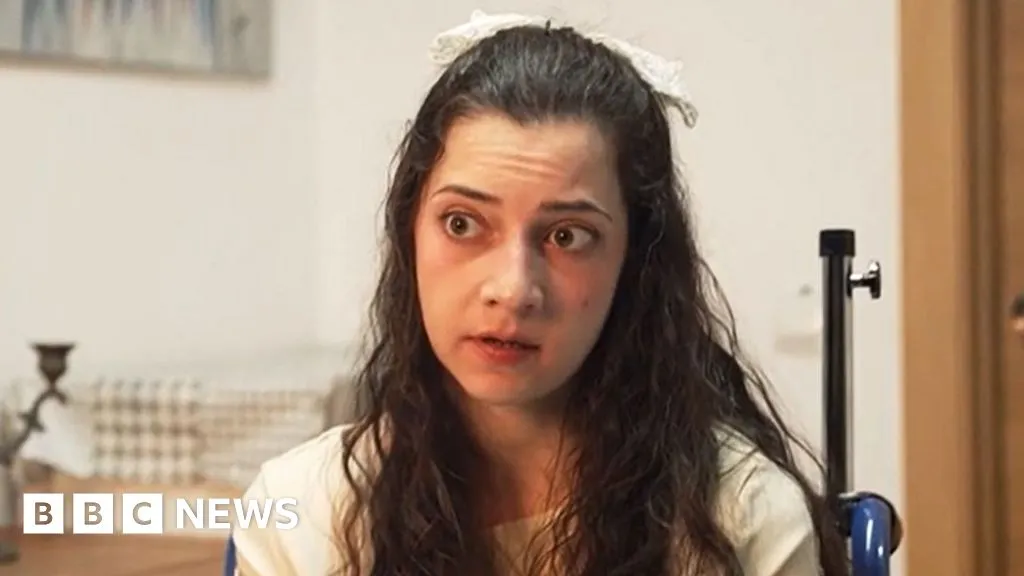
What does Noelia Castillo’s euthanasia case mean for Spain? This tragic event raises critical questions about the intersection of mental health, legal rights, and societal values surrounding assisted dying.
Noelia Castillo, who was only 25 years old, requested euthanasia due to severe physical and emotional pain stemming from her mental health struggles. Her case became a focal point of debate in Spain, especially after her euthanasia was carried out at the Sant Pere de Ribes hospital on March 26, 2026.
Castillo’s journey to this moment was fraught with challenges. After being diagnosed with Obsessive-Compulsive Disorder and Borderline Personality Disorder, her life was marked by significant trauma, including three episodes of sexual abuse. These experiences contributed to her mental health decline, leading to a suicide attempt in October 2022 that resulted in her becoming paraplegic.
Despite her suffering, Castillo faced a lengthy legal battle. Her father opposed her decision, which delayed her euthanasia request for 20 months. Ultimately, her request was approved on July 18, 2024, reflecting the legal framework that has allowed assisted suicide in Spain since June 2021.
In her own words, Castillo expressed her desire for peace, stating, “I just want to leave in peace and stop the pain.” Her case has ignited discussions about the adequacy of mental health support in Spain, with the Spanish Bishops’ Conference labeling euthanasia as a societal defeat rather than a medical solution.
The bishops emphasized the need for enhanced resources for psychological care and support networks, arguing that when life hurts, the answer should be to walk the journey together rather than to end it prematurely. Archbishop Luis Argüello further cautioned, “If induced death is the solution to problems, then everything is permitted.”
Castillo’s story highlights the complexities surrounding euthanasia, especially in cases involving mental health. As society grapples with the implications of her decision, the conversation continues about how best to support individuals in similar situations.
As Spain reflects on this case, the future of euthanasia and mental health care remains uncertain. The balance between individual rights and societal responsibilities is a delicate one, and Castillo’s case serves as a poignant reminder of the need for compassion and understanding in the face of suffering.
Details remain unconfirmed regarding the broader implications of this case on future euthanasia legislation and mental health policies in Spain.