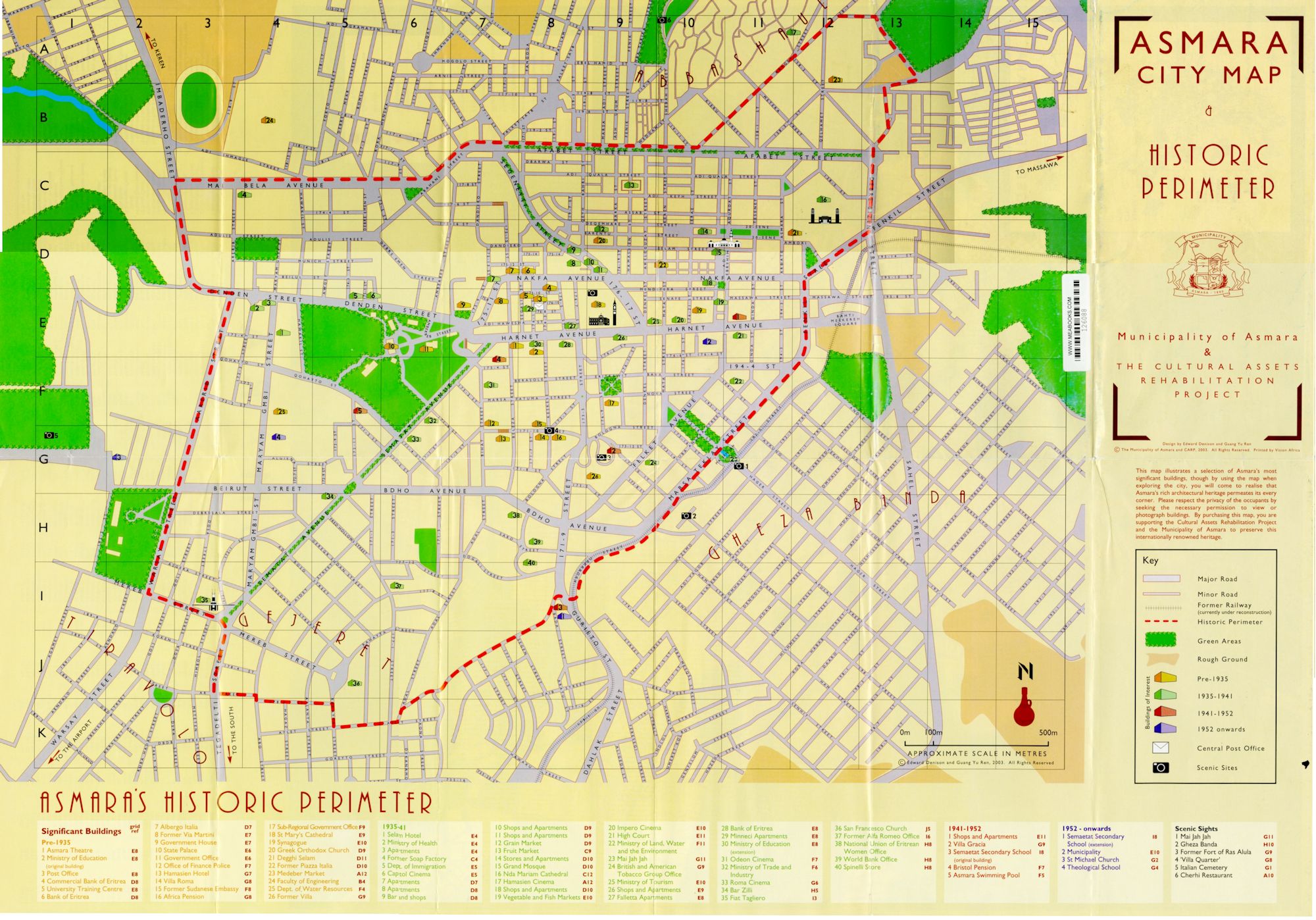
Introduction to Asmara
Asmara, the capital city of Eritrea, stands as a beacon of historical significance and cultural richness in the Horn of Africa. Known for its beautiful Italian colonial architecture, which has earned it UNESCO World Heritage status, Asmara is not only a vital administrative center but also a city that encapsulates the essence of Eritrean history and identity. As the nation continues to develop and attract tourism, understanding the importance of Asmara offers insight into the broader narratives of resilience and heritage in Eritrea.
The Historical Importance of Asmara
Founded in the late 19th century, Asmara quickly evolved during the Italian colonization in the early 20th century. The city features a range of architectural styles from the colonial period, including numerous buildings that exhibit Art Deco design and modernist elements. These structures tell a story of the city’s diverse cultural influences, which have shaped the contemporary identity of Eritrea.
In recent developments, Asmara has made headlines following Eritrea’s initiative to revitalize its historical sites and attract international tourists. Efforts have been made to restore key buildings and improve infrastructure, highlighting the city’s artistic heritage while promoting sustainable tourism. For example, the restoration of the iconic Cinema Impero and the vibrant market area has drawn both locals and visitors, allowing for economic growth.
Recent Developments and Events
In the past year, Asmara has seen an increase in cultural festivals that celebrate Eritrean music, food, and art. Events such as the Asmara Festival of Arts and Culture serve as platforms for local artists, enabling them to showcase their talents while promoting cultural exchange. These festivities not only invigorate the local economy but also foster a greater sense of community pride among residents.
Moreover, the Eritrean government has sought to create partnerships with foreign organizations to further support the tourism sector, which has been a challenge due to the country’s isolationist policies. By accessing international markets, Asmara hopes to become a significant tourist destination in East Africa, appealing to cultural enthusiasts and historians alike.
Conclusion
Asmara represents more than just a city; it embodies the spirit of resilience, culture, and history of Eritrea. As the country gradually opens its doors to the world, the potential for Asmara to emerge as an attractive destination continues to grow. By investing in preservation and tourism, the city stands on the cusp of a new chapter that could redefine its future while honoring its rich past. For those interested in history, architecture, or culture, visiting Asmara offers a unique glimpse into the heart of Eritrea.