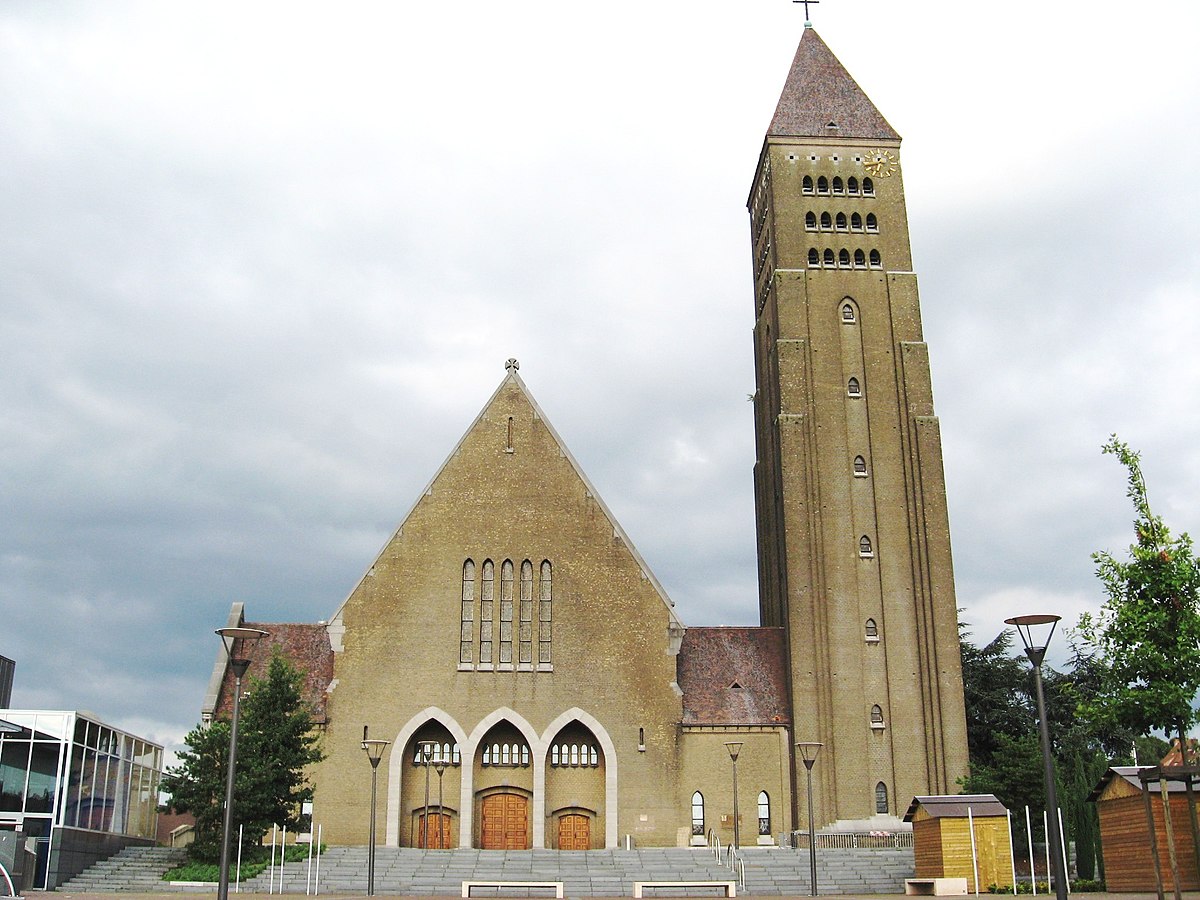
Introduction to Genk
Genk, a city in the Limburg province of Belgium, is known for its rich industrial heritage and vibrant cultural landscape. With a population exceeding 65,000, Genk has transformed from a coal mining hub into a modern city with diverse economic prospects. This transformation highlights the importance of urban development and cultural integration in shaping a resilient community.
Economic Development and Innovations
In recent years, Genk has focused on diversifying its economy beyond its traditional roots in coal mining. The city has become a center for innovation and technology, attracting various industries, including automotive, logistics, and clean energy. Notably, the establishment of the ‘C-mine’ creative hub has fostered start-ups and innovation in the arts and technology sectors. Local authorities have promoted economic diversification through investment in infrastructure, enhancing connectivity and accessibility for businesses.
Cultural Vibrancy
Genk is also recognized for its multicultural population, which enriches the city’s culture. The mix of influences has led to various cultural festivals, events, and culinary experiences. The annual ‘Genk on Stage’ festival is a popular event that showcases local talent in music and arts, attracting visitors from across the region. Additionally, the city boasts several museums and parks that celebrate its history and natural beauty, such as the Mining Museum and the expansive Bokrijk Park.
Environmental Initiatives
In line with global sustainability trends, Genk is committed to enhancing its green spaces and reducing environmental impact. The local government has initiated projects aimed at increasing biodiversity, promoting public transport, and encouraging cycling as a primary means of transportation. These efforts not only benefit the environment but also improve the quality of life for residents.
Conclusion
In summary, Genk exemplifies a successful blend of historical transformation and modern growth. With its ongoing commitment to innovation, culture, and environmental sustainability, the city remains poised for a promising future. Understanding the developments in Genk can provide valuable insights into urban resilience and the impact of diversity on community growth. As Genk continues to evolve, it serves as a model for other cities aiming to adapt to changing economic landscapes while preserving cultural identity.