Introduction
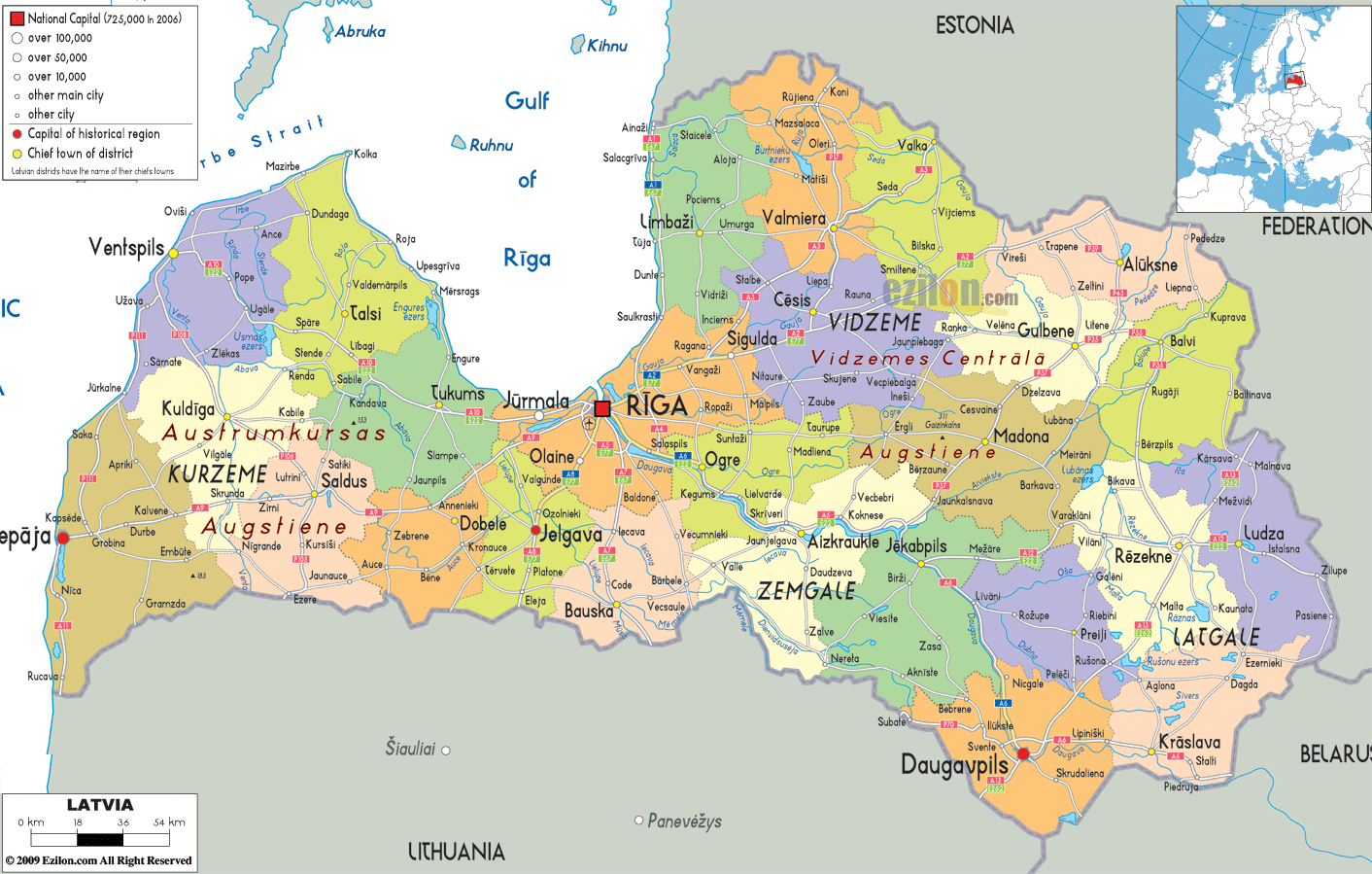
Latvia, a small Baltic nation located between Estonia and Lithuania, has recently become a focal point of interest for travelers and economists alike. Known for its rich history, diverse culture, and beautiful landscapes, Latvia offers a unique blend of old-world charm and modern innovation. As Europe continues to evolve, understanding Latvia’s role in the region is increasingly important for both tourists and investors.
Historical Significance
Latvia’s history is marked by periods of foreign domination and a struggle for independence. Gaining independence from the Soviet Union in 1991, Latvia has emerged as a stable and democratic nation. Its capital, Riga, is a UNESCO World Heritage Site and boasts an impressive collection of Art Nouveau architecture, showcasing the country’s historical embrace of various influences.
Cultural Landscape
Latvia is home to a vibrant cultural scene that reflects its diverse heritage. The nation hosts numerous festivals throughout the year, including the famous Jāņi midsummer celebration, which draws locals and tourists alike. Additionally, Latvia’s cuisine showcases unique flavors, with dishes such as rye bread, grey peas, and traditional biskvit (sponge cake). The arts also thrive here, with local theaters, music festivals, and museums dedicated to preserving and promoting Latvian culture.
Economic Outlook
Economically, Latvia has shown resilience and growth, particularly following its integration into the European Union in 2004. The country’s economy is driven by sectors such as information technology, finance, logistics, and tourism. Recent reports indicate a steady rise in foreign investments, particularly in the startup ecosystem, positioning Latvia as an emerging hub for entrepreneurship. The Latvian government is actively encouraging digital innovation, making it an attractive destination for tech companies.
Tourist Attractions
Tourism in Latvia is on the rise, with various attractions calling out to visitors. From the picturesque coastal towns of Jūrmala and Liepāja to the serene forests of Gauja National Park, nature enthusiasts can explore beautiful landscapes. The vibrant streets of Riga offer shopping, dining, and nightlife, while historical sites like the medieval castle in Cēsis and the Rundāle Palace captivate history buffs. With its manageable size, Latvia is perfect for travelers looking to experience a little bit of everything.
Conclusion
As Latvia continues to gain prominence on the global stage, its importance cannot be overlooked. With a rich history, thriving culture, and strong economic prospects, Latvia is not just a destination; it represents an opportunity for growth and exploration. Whether visiting for leisure or considering investment, Latvia stands as a testament to the potential of the Baltic region.