Introduction to Non Fungible Tokens
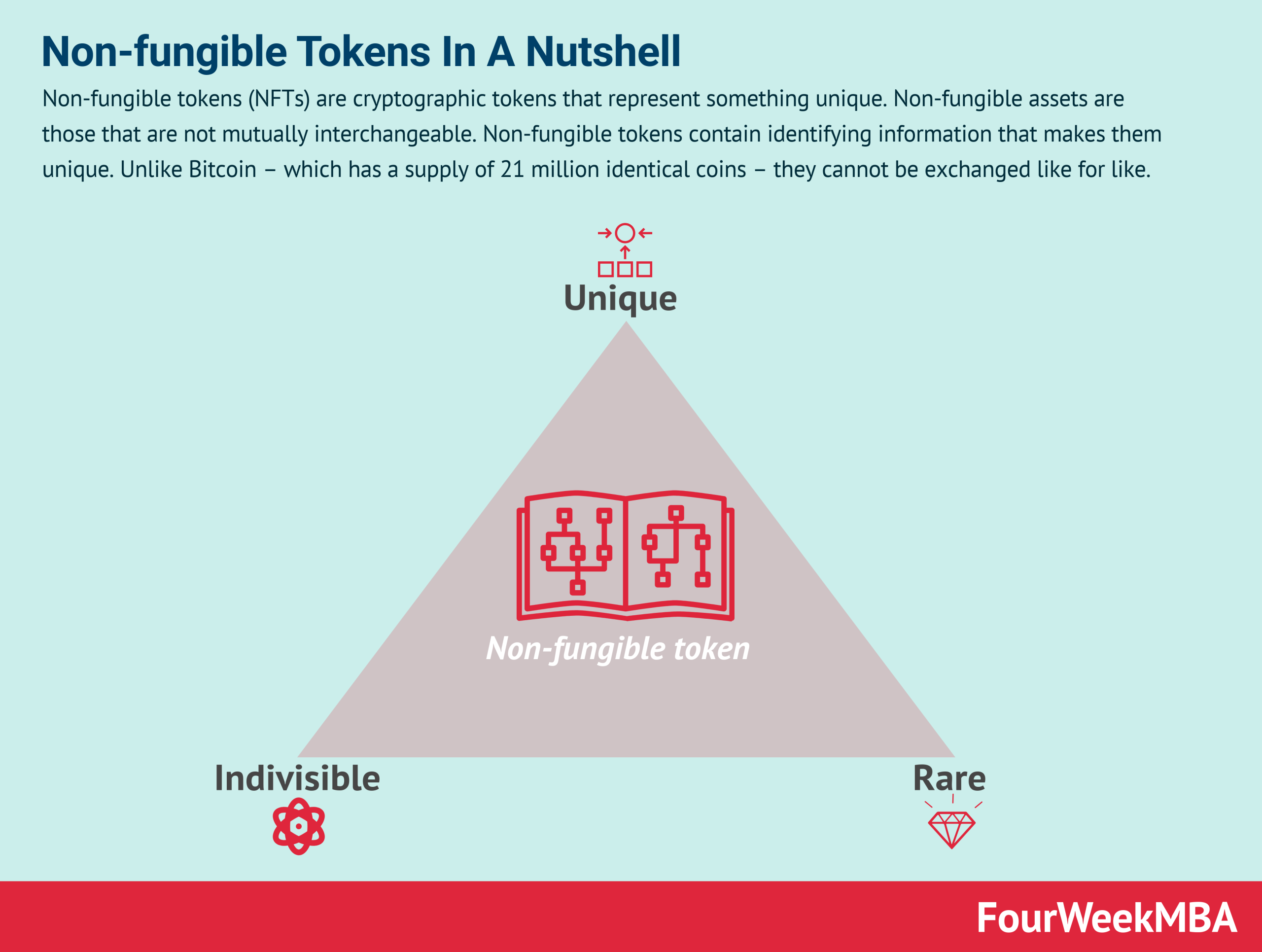
Non fungible tokens (NFTs) have emerged as one of the most revolutionary elements of the digital economy. In recent years, these unique digital assets have gained considerable traction, becoming a significant topic within technology, art, gaming, and investment circles. Unlike cryptocurrencies such as Bitcoin or Ethereum, which are fungible and can be exchanged on a one-to-one basis, NFTs are distinct digital items that represent ownership of a specific asset or piece of content. Their importance lies in their ability to authenticate and share digital ownership through blockchain technology, fundamentally changing how we perceive and value digital assets.
Current Trends and Developments
As of late 2023, the NFT market has seen a growing market value, with industry reports indicating a resurgence in trading volume, especially within art and collectibles. Major art auctions have successfully integrated NFTs, resulting in record-breaking sales figures for digital artworks. Additionally, traditional brands across sectors from fashion to sports have started embracing NFTs as a means of engaging customers and enhancing brand loyalty. These developments have highlighted the versatility of NFTs as both revenue-generating assets and tools for community building.
Impact on Various Industries
1. **Art and Collectibles**: NFTs have revolutionized the art world, allowing artists to sell their work directly to consumers, maintain royalties on resales, and reach a global audience. This shift has empowered artists financially and creatively, unlocking new revenue streams.
2. **Gaming**: In gaming, NFTs enable players to own in-game assets that can be traded or sold outside the game environment. This creates an economy where players can profit from their gameplay and investment in time.
3. **Real Estate**: The real estate sector is gradually recognizing the potential of NFTs in tokenizing property ownership, simplifying transactions, and enabling fractional ownership of properties.
Conclusion and Future Outlook
As the technology and applications surrounding non fungible tokens continue to evolve, their impact on how we conduct business and interact with digital content is likely to expand. Regulatory developments and increased mainstream adoption may provide more stability and transparency in the market. For readers considering involvement in the NFT space, it is crucial to stay informed about the market trends, potential risks, and the evolving legal landscape. In conclusion, NFTs are not just a passing trend; they represent a significant shift towards a more digital and ownership-driven economy.