Introduction
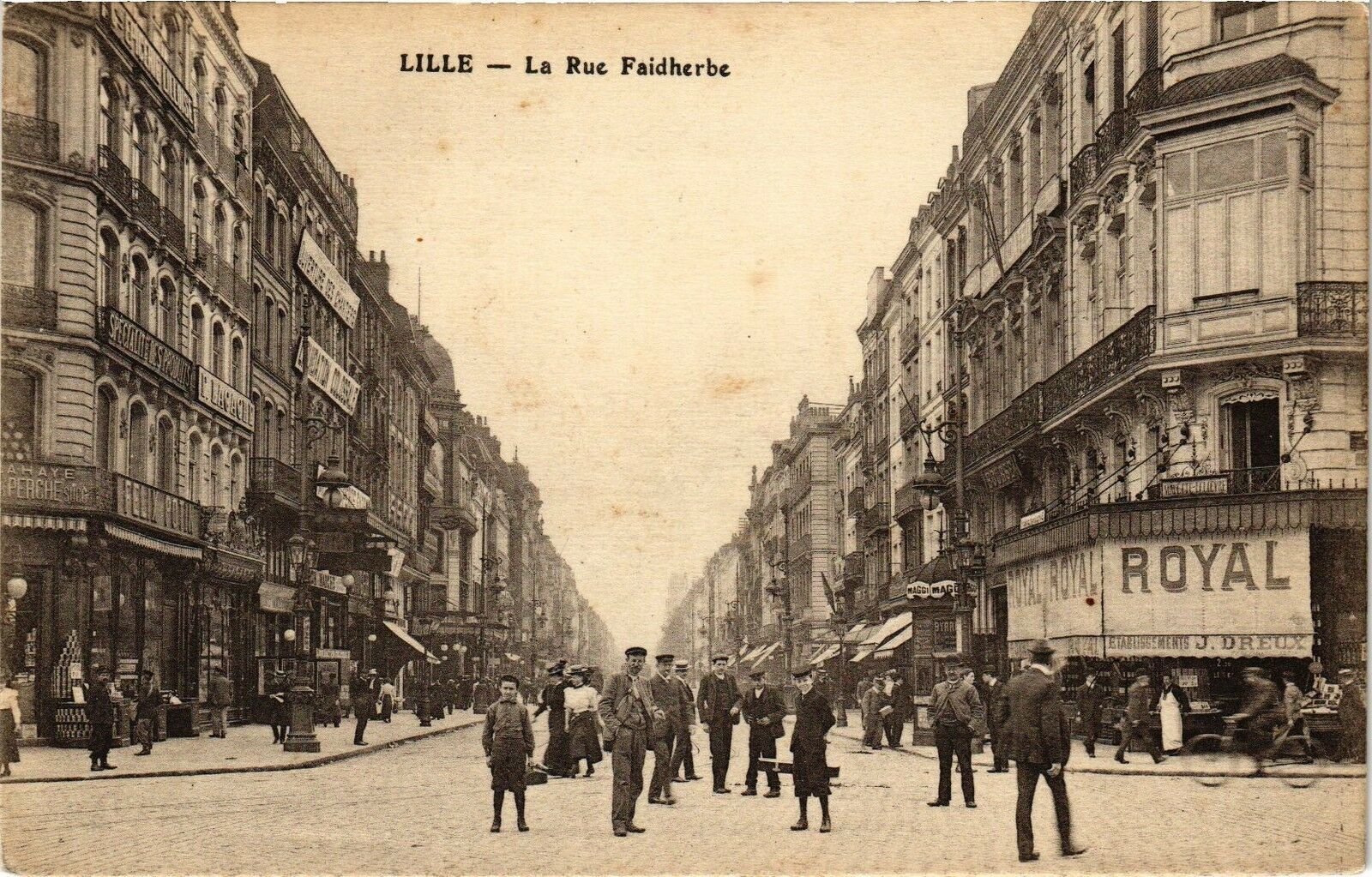
Lille, a city nestled in northern France, stands as a testament to the rich cultural and historical narrative of the region. With its proximity to Belgium, Lille is a melting pot of vibrant traditions, languages, and exquisitely preserved architecture. The city plays a crucial role in contemporary France, being a key economic center as well as a cultural hotspot. As the fourth-largest city in France, Lille’s relevance in today’s world is emphasized by its appeal to both tourists and locals seeking a unique blend of history and modernity.
Cultural and Historical Significance
This city is renowned for its striking mix of French and Flemish influences, seen in its cityscape characterized by colorful houses and bustling squares. The historic center, Vieux Lille, boasts cobblestone streets and stunning examples of 17th-century architecture, most notably the Lille’s Grand Place and the opulent Palais des Beaux-Arts. The museum is one of the largest in France, housing an impressive collection that spans centuries.
In addition to its architectural gems, Lille is known for its vibrant festivals such as the annual Braderie de Lille, Europe’s largest flea market attracting millions each September. The cultural calendar is filled with theatrical performances, art exhibitions, and music festivals that showcase local and international talents.
Economic Growth and Development
Recently, Lille has seen significant economic growth, often being cited as one of the fastest-growing urban areas in France. The city has a strategic location that makes it a vital transportation hub; the Eurostar connects Lille to London, while other rail links provide swift access to Paris and Brussels. This connectivity has attracted businesses to set up shop in Lille, contributing to a bustling economic environment that thrives on innovation and creativity.
Living in Lille
Lille’s charm extends beyond its visitors; the city is a cherished place for its residents. Its strategic investments in education, healthcare, and urban infrastructure continue to enhance the quality of life. The presence of renowned institutions like Université de Lille and various international corporations enriches the local community. Furthermore, Lille’s food scene, famous for its regional dishes such as carbonade flamande, draws culinary enthusiasts from all over.
Conclusion
As Lille continues to evolve, it maintains a delicate balance between tradition and modernity, making it a significant player in France’s cultural landscape. The city’s enduring appeal lies in its rich history, dynamic economy, and vibrant cultural scene, promising exciting prospects for both residents and visitors alike. As we look to the future, Lille stands poised to become an even more influential city in the heart of Europe.