Introduction
Lille, a city in northern France, is gaining attention for its vibrant culture and rich historical significance. As the fourth largest city in France, it plays a key role in the region’s economy and cultural landscape. The importance of Lille lies not only in its stunning architecture and historical landmarks but also in its status as a key cultural hub that brings together locals and tourists alike.
Historical Overview
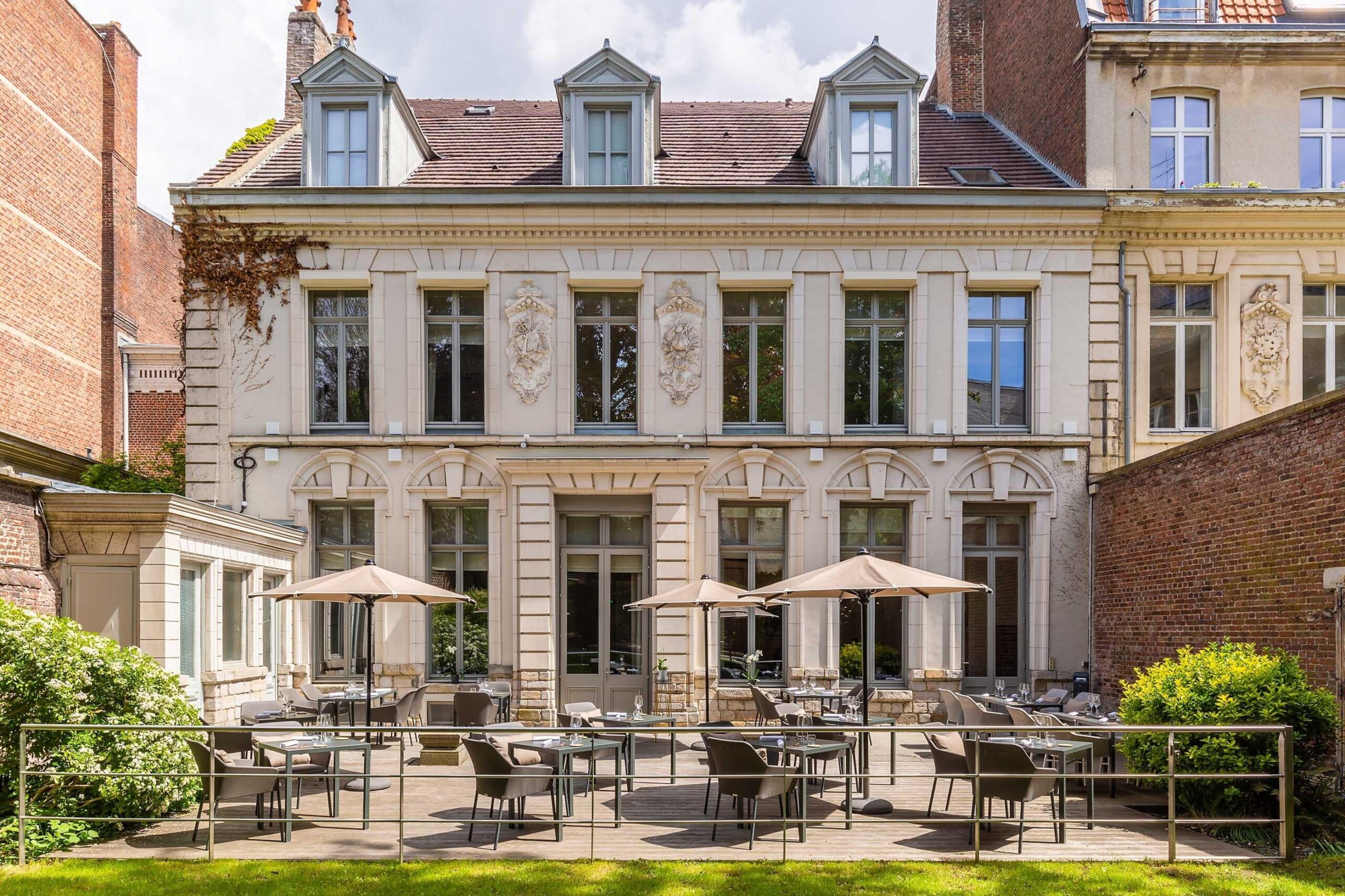
Founded in the 11th century, Lille has a storied past marked by various ruling powers, including the Spanish and the French. The architecture reflects this diverse history, showcasing Flemish, Spanish, and French influences. The Old Lille district, with its narrow cobblestone streets and beautiful buildings, remains a primary attraction for visitors. Notable landmarks include the Palais des Beaux-Arts, one of the largest fine arts museums in France, and the Grand Place, a bustling square that embodies the city’s vibrant atmosphere.
Cultural Significance
Lille is not just a city of historical artifacts; it is a living cultural center. The city hosts numerous festivals throughout the year, such as the renowned Braderie de Lille, Europe’s largest antiques market. Additionally, Lille has a thriving culinary scene, famous for its local specialties including ‘potjevleesch’ and ‘Welsh.’ With a rich tapestry of cultural institutions, including theaters, galleries, and music venues, Lille continues to attract artists and performers, contributing to its reputation as a cultural beacon.
Recent Developments
In recent years, Lille has seen significant urban development. The city is investing in sustainability and infrastructure improvements to enhance the quality of life for its residents and to attract new businesses and tourists. The recent addition of the Euralille, a major shopping and business district, illustrates Lille’s commitment to economic growth while preserving its historical charm. The city is also becoming a hub for digital innovation, increasingly appealing to startups and tech companies.
Conclusion
As Lille continues to grow and evolve, it remains an essential part of France’s cultural and historical landscape. With its rich heritage, vibrant festivals, and modern developments, Lille offers a unique experience for both locals and visitors. The future looks promising for this dynamic city, as it balances its storied past with a vision for sustainable innovation and community engagement.