Introduction
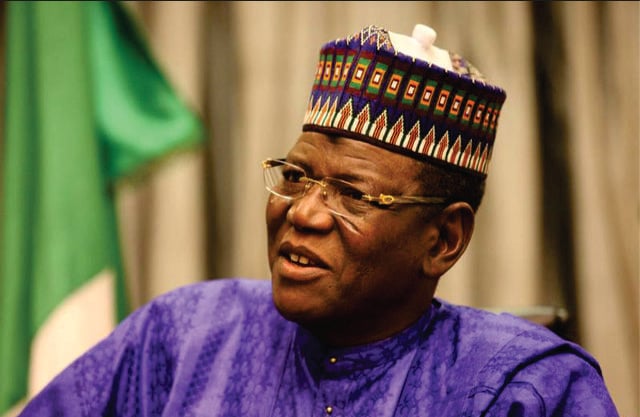
Sule Lamido, a notable Nigerian politician and former governor of Jigawa State, has made significant contributions to the political landscape of Nigeria. His leadership style, socio-political activities, and dedication to public service have drawn attention from both supporters and critics. As Nigeria approaches the 2023 general elections, understanding Lamido’s political journey and opinions becomes crucial for citizens as they make informed decisions about leadership.
Political Career and Achievements
Sule Lamido was born on May 30, 1948, in Bamaina, Jigawa State. He began his political career as a member of the National Assembly, representing his constituents with a strong focus on education and infrastructure development. His major achievement came when he served as the governor of Jigawa State from 2007 to 2015. Under his leadership, Jigawa witnessed considerable improvements in health care, education, and water supply, which made significant impacts on the quality of life of the residents.
During his term, Lamido implemented various agricultural policies aimed at boosting food production, and he championed initiatives to improve the welfare of farmers. His administration’s commitment to education led to the establishment of new schools and scholarship programs, which drastically reduced dropout rates. His ability to mobilize resources and promote sustainable development earned him a reputation as a progressive leader.
Political Ideals and Current Engagements
Post-governorship, Lamido has remained active in Nigerian politics, often making headlines with his outspoken views on national issues. He is known for advocating strengthening democratic institutions and promoting fair leadership practices. Lamido’s stance on restructuring Nigeria’s political system reflects a growing desire among Nigerians for a more equitable governance structure that accommodates all regions’ interests.
Moreover, as part of the People’s Democratic Party (PDP), Lamido has positioned himself as a key player and a potential presidential aspirant in upcoming elections. He emphasizes unity and cooperation among political allies from diverse backgrounds to create a stronger, more inclusive Nigeria. His recent engagements suggest that he is working to gather support for the PDP as they prepare for the challenges ahead.
Conclusion
Sule Lamido’s enduring presence in Nigerian politics highlights the importance of experienced leadership in shaping the nation’s future. As Nigeria gears up for the 2023 elections, understanding the contributions and philosophies of figures like Lamido will empower citizens in their voting decisions. His commitment to education, agriculture, and democratic ideals exhibits a model for future leaders in promoting socio-economic development and national unity. Observers anticipate Lamido’s continued influence, which could help steer Nigeria toward a brighter and more progressive future.