Introduction
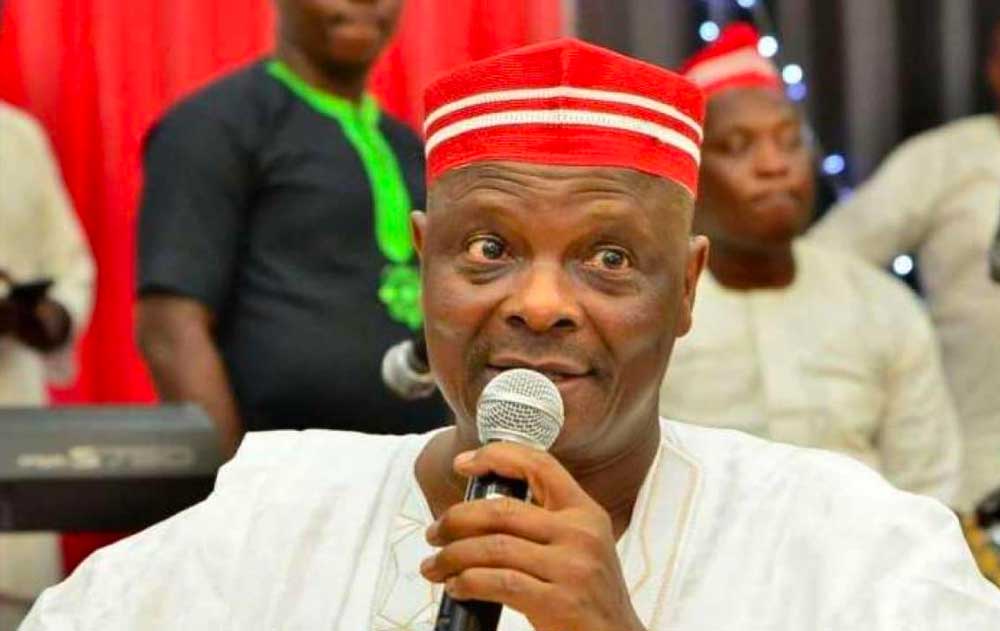
Rabiu Musa Kwankwaso is a prominent Nigerian politician, whose influence and legacy in the political landscape cannot be overlooked. As a former governor of Kano State and a presidential candidate, Kwankwaso has emerged as a key figure in Nigeria’s political arena. His political philosophy and support base continue to resonate with Nigerians, especially in the northern region, making his actions significant in the upcoming elections.
Political Background
Kwankwaso was born on October 21, 1956, in Kano State. He served as the Governor of Kano State from 1999 to 2003 and then again from 2011 to 2015. His administration focused on extensive infrastructural development, education, and healthcare reforms. Known for his grassroots mobilization skills, Kwankwaso has successfully garnered a loyal following, particularly among youth and women.
Recent Developments
As Nigeria approaches the 2023 general elections, Kwankwaso has made headlines following his alignment with the New Nigeria Peoples Party (NNPP). His decision to run for the presidency under this new platform has stirred considerable interest and analysis among political commentators and voters alike. Reports indicate that he aims to unify various groups and address pressing national issues, including insecurity, economic challenges, and governance reforms.
Implications for Nigeria
Kwankwaso’s political activities could significantly shape the political landscape as he potentially poses a formidable challenge to established political elites. Analysts predict that his appeal across various demographics might influence voter turnout and alter traditional voting patterns, particularly in northern Nigeria, where he has solidified his support base. Furthermore, his articulation of policies addressing youth unemployment and educational improvement resonates with many, positioning him as a symbol of change.
Conclusion
In summary, Kwankwaso remains a pivotal figure in Nigerian politics whose decisions and endorsements in the coming months will have far-reaching effects on the future of governance in Nigeria. As the nation gears up for the elections, his ability to galvanize support and his proposed policies will be crucial in determining his and Nigeria’s political fate. Continued observation of his political strategies and public response will be essential for understanding the dynamics of Nigeria’s future leadership.