Introduction
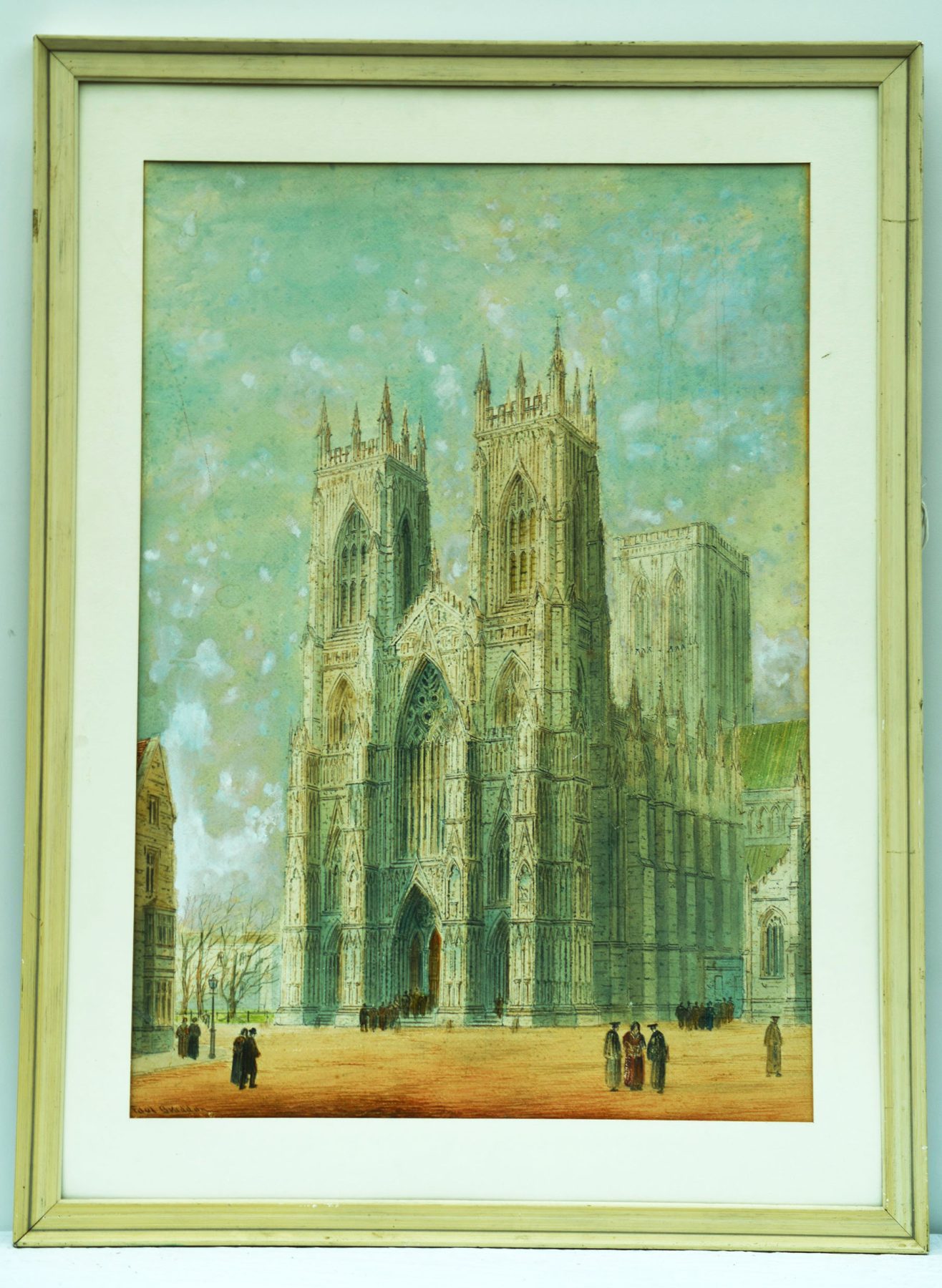
Westminster Cathedral, situated in the heart of London, is not only the mother church of the Roman Catholic Church in England and Wales, but also a remarkable architectural marvel that attracts millions of visitors annually. Its significance lies in its spiritual role, as well as its cultural and historical value. In a time where places of worship are facing numerous challenges, Westminster Cathedral stands as a bastion of faith and community engagement.
Historical Background
Constructed between 1895 and 1903, Westminster Cathedral reflects the Byzantine architectural style, a departure from the Gothic designs prevalent in other London churches. Designed by architect John Francis Bentley, the cathedral’s impressive façade and grand interior, adorned with intricate mosaics and marble, highlight its importance as a national symbol for Catholicism in Britain.
In recent news, Westminster Cathedral has made headlines due to ongoing restoration efforts that aim to preserve its historical integrity while ensuring it remains a vibrant place of worship and community gathering. The latest restoration efforts began earlier this year with a focus on the roof and the stunning mosaics that adorn the interior.
Community Role and Events
Beyond its role as a place for prayer and reflection, Westminster Cathedral has also become a hub for various community initiatives and events. Regular services, concerts, and educational tours cater to both the faithful and those interested in the rich history of the cathedral. Recently, the cathedral has hosted a series of interfaith dialogues, promoting understanding and respect among different religious communities in London.
Significance for the Future
The importance of Westminster Cathedral goes beyond its impressive architecture; it symbolizes resilience, faith, and community. As the world continues to change, the cathedral is adapting to meet the needs of its congregation and the broader society. With increasing challenges posed by urbanization and declining church attendance, it is imperative that such historic landmarks remain relevant.
Conclusion
As Westminster Cathedral continues to embrace its role in the 21st century, its impact on the local community and its visitors will be significant. The ongoing restoration projects and community-oriented events will ensure that this remarkable landmark remains a center of faith, culture, and unity for generations to come. The future of Westminster Cathedral looks promising, as it exemplifies the enduring power of faith in a modern world.