Introduction
Wolfsburg, a city located in Lower Saxony, Germany, has garnered attention for its unique blend of industrial innovation and sports excellence. The city, known primarily as the headquarters of the global automotive giant Volkswagen, also boasts a rich football culture, largely represented by VfL Wolfsburg, a successful Bundesliga club. In recent years, Wolfsburg has transformed into a thriving urban environment that balances economic growth with quality of life.
The Heart of the Automotive Industry
Established in 1938, Wolfsburg was primarily built around the Volkswagen factory, which remains a cornerstone of the city’s economy. Volkswagen’s presence has not only created numerous jobs but also established educational institutions and research facilities that focus on automotive engineering and sustainability. The company’s commitment to electric vehicles and innovative technologies is drawing global attention, positioning Wolfsburg as a leader in green automotive technology. Recent investments in infrastructure have further enhanced the city’s appeal to tech startups and innovation hubs, creating a comprehensive ecosystem for aspiring entrepreneurs.
VfL Wolfsburg: A Football Success Story
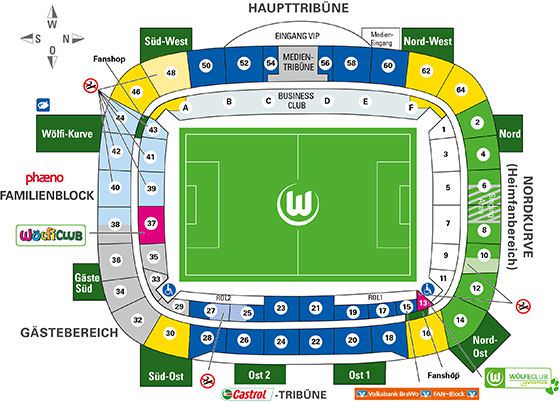
Alongside its industrial importance, Wolfsburg is equally proud of its football heritage. VfL Wolfsburg, founded in 1945, has risen to national prominence, winning the Bundesliga championship in 2009 and continuing to compete in European competitions. The team plays its home games at the Volkswagen Arena, which can hold over 30,000 spectators and frequently hosts thrilling matches that draw passionate crowds. The club’s efforts in nurturing young talent have not only bolstered their squad but also positively impacted the community, emphasizing the significance of sports in fostering local pride and identity.
Community and Cultural Development
Wolfsburg is not just about industry and sports; it is a city rich in culture and community engagement. Various initiatives aim to enhance the city’s social fabric, including art exhibitions, music festivals, and community events that celebrate local heritage. The Phaeno science center, designed by renowned architect Zaha Hadid, attracts visitors of all ages, offering interactive experiences that spark curiosity in science and technology.
Conclusion
Wolfsburg serves as an exemplary model of how a city can thrive economically while nurturing sporting and cultural experiences. With ongoing investments in sustainable industries and sports development, Wolfsburg is poised for a promising future as a dynamic urban center. Residents and visitors alike can look forward to a city that harmonizes industrial strength with vibrant community spirit, making Wolfsburg a compelling destination in Germany.