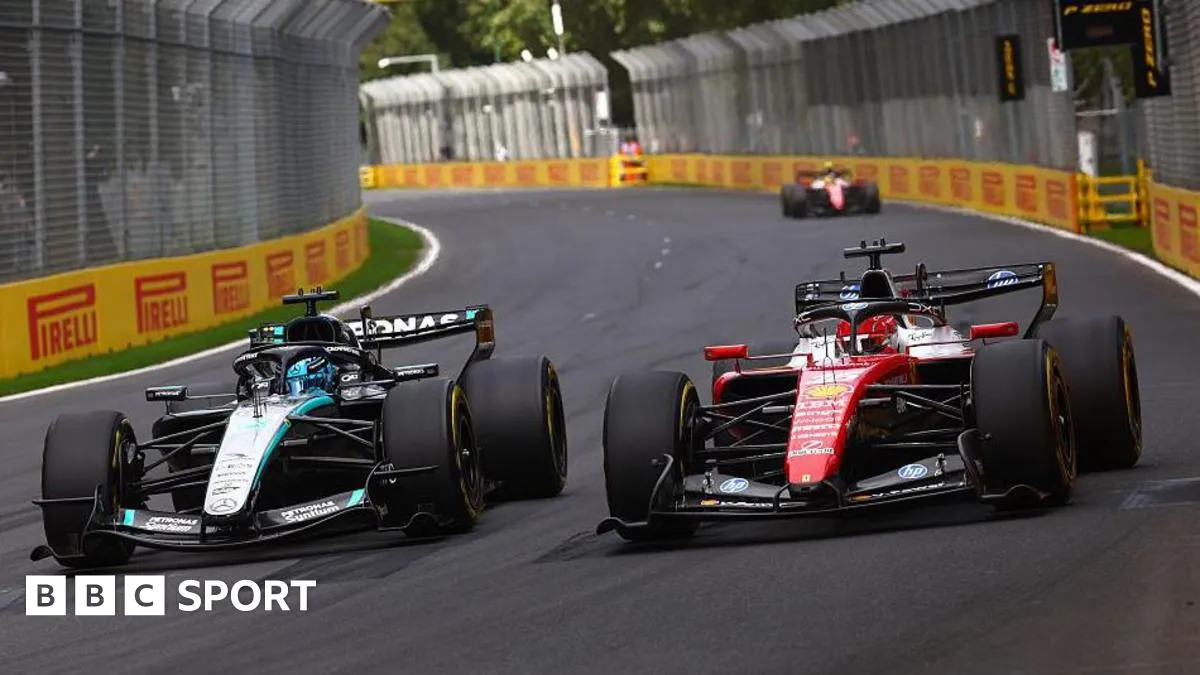
Setting the Scene
On March 8, 2026, the Australian Grand Prix took place in Melbourne, heralding a new era for Formula 1. This race was not just another event on the calendar; it marked the beginning of significant changes aimed at enhancing sustainability in the sport. With the introduction of new regulations, teams and drivers were poised to adapt to a landscape that emphasized electric power alongside traditional internal combustion engines.
Race Day Developments
The race unfolded with a backdrop of anticipation and uncertainty. As drivers took to the track, the new style of Formula 1 required them to constantly charge and deploy 350 kW (470 bhp) of electrical power. This shift was expected to increase the share of electricity in F1 power output from 20% to 50%, a substantial change that would influence race dynamics. However, the transition was not without its challenges.
Max Verstappen’s Performance
Max Verstappen, one of the sport’s leading figures, finished sixth after an impressive recovery, making up 14 places during the race. His performance highlighted the potential of the new technology, but also the difficulties drivers faced in adjusting to the speed differentials created by the new regulations. Verstappen expressed his desire for improvements, stating, “I do want it to be better than this.”
The race was described as chaotic by Lando Norris, who noted the unpredictable nature of the new regulations. Drivers expressed concerns about speed differentials that could lead to accidents, with estimates suggesting a 30-50 km/h difference in pace. Frederic Vasseur remarked on the rarity of such racing conditions, saying, “I’m not sure that I saw something like this the last 10 years.” The mixed feelings among drivers and team principals underscored the challenges of adapting to the new F1 landscape.
Strategic Implications
The introduction of a virtual safety car during the race led to split strategies among teams, further complicating the competition. Andrea Stella commented on the impact of deployment schedules on overtaking, stating, “When the pace settles and everyone is on the same pattern from a deployment schedule point of view, then I think that overtaking becomes difficult.” This highlights the strategic nuances that teams must navigate in light of the new technology.
The Road Ahead
The FIA has indicated that it is open to reviewing the new regulations after three races, reflecting the ongoing adjustments teams and drivers will need to make. The long-term impact of these changes on racing dynamics remains unclear, and details remain unconfirmed. As teams continue to adapt, the balance between speed, safety, and sustainability will be critical in shaping the future of Formula 1.
The 2026 Australian Grand Prix not only marked a new chapter in Formula 1 but also set the stage for ongoing discussions about the sport’s direction. With sustainability at the forefront, the implications of these changes will resonate throughout the season and beyond, as teams and drivers navigate this evolving landscape.