Introduction to a New Era
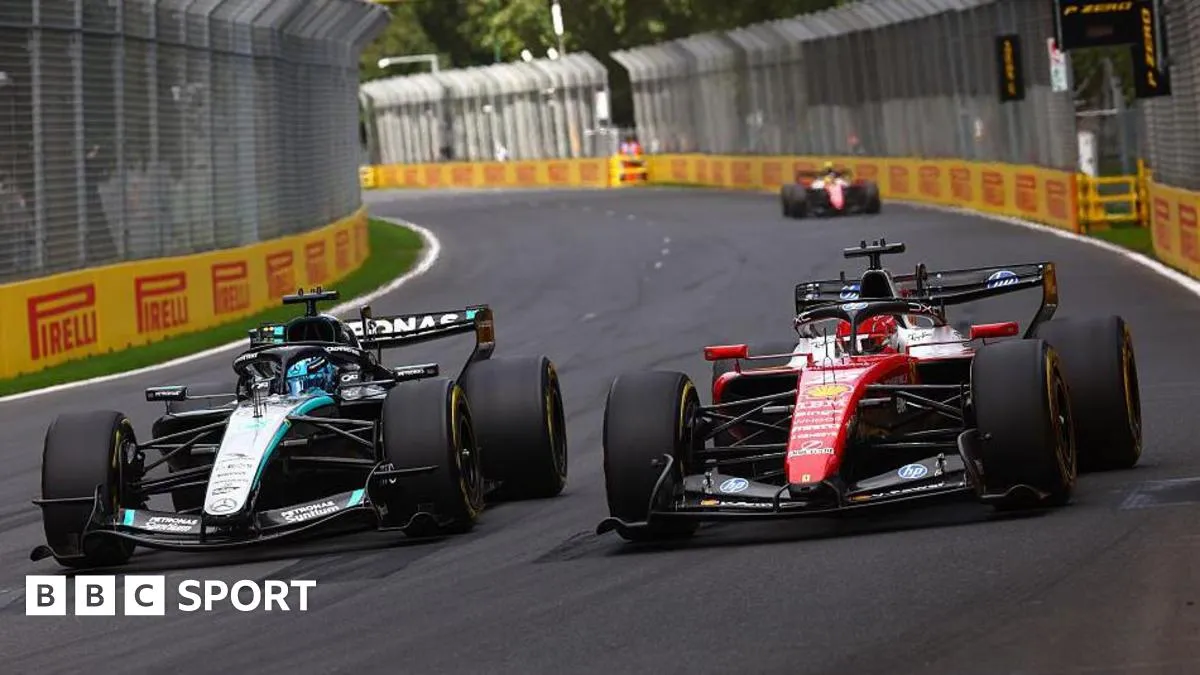
On March 8, 2026, the Australian Grand Prix in Melbourne heralded the beginning of a new era in Formula 1, characterized by a significant shift towards sustainability and the integration of advanced technology. As teams and drivers prepared for the race, the atmosphere was charged with anticipation, reflecting the sport’s ongoing evolution in response to environmental concerns.
Technological Innovations
This season, Formula 1 introduced a new style of racing that requires constant charging and deploying of 350kw (470bhp) of electrical power. The share of electricity in F1 cars is set to rise from 20 percent to 50 percent, marking a substantial change in how races will be conducted. Despite these advancements, the new single-seater cars will continue to utilize internal-combustion engines, maintaining a balance between traditional and modern technologies.
Race Day Developments
During the race, Max Verstappen showcased his driving prowess by finishing sixth after making up 14 places, a remarkable feat that highlighted the challenges and opportunities presented by the new technology. However, the battle for the lead was heavily influenced by the deployment of electrical power, leading to a unique racing dynamic that drivers had to navigate.
As the race unfolded, drivers expressed mixed feelings about the new regulations. Lando Norris described the situation as “chaos,” reflecting the unpredictability that the new technology introduced. Verstappen voiced his desire for improvements, stating, “I do want it to be better than this.” Andrea Stella, a team principal, noted that once the pace settles and everyone adheres to a deployment schedule, overtaking could become increasingly difficult.
Concerns Over Sustainability
While the push for sustainability in Formula 1 is commendable, some experts have raised concerns about the implications of using biofuels. Dalibor Dostal criticized the initiative, labeling it as “typical greenwashing,” suggesting that the exhaust emissions from biofuels could still have a negative impact on nature and human health. This concern underscores the complexities of balancing performance with environmental responsibility.
Current State of Formula 1
As the 2026 season progresses, the long-term impact of the new regulations on racing dynamics remains unclear. Drivers and teams are still adjusting to the changes, and the implications for future races will be closely monitored. The Australian Grand Prix serves as a pivotal moment, setting the stage for how Formula 1 will evolve in the coming years.
The developments in Formula 1 during the Australian Grand Prix reflect a significant shift towards sustainability and technological advancement. While the excitement of the race continues, the challenges posed by these changes will require careful consideration from all stakeholders involved in the sport. Details remain unconfirmed regarding how these new dynamics will shape the future of racing.