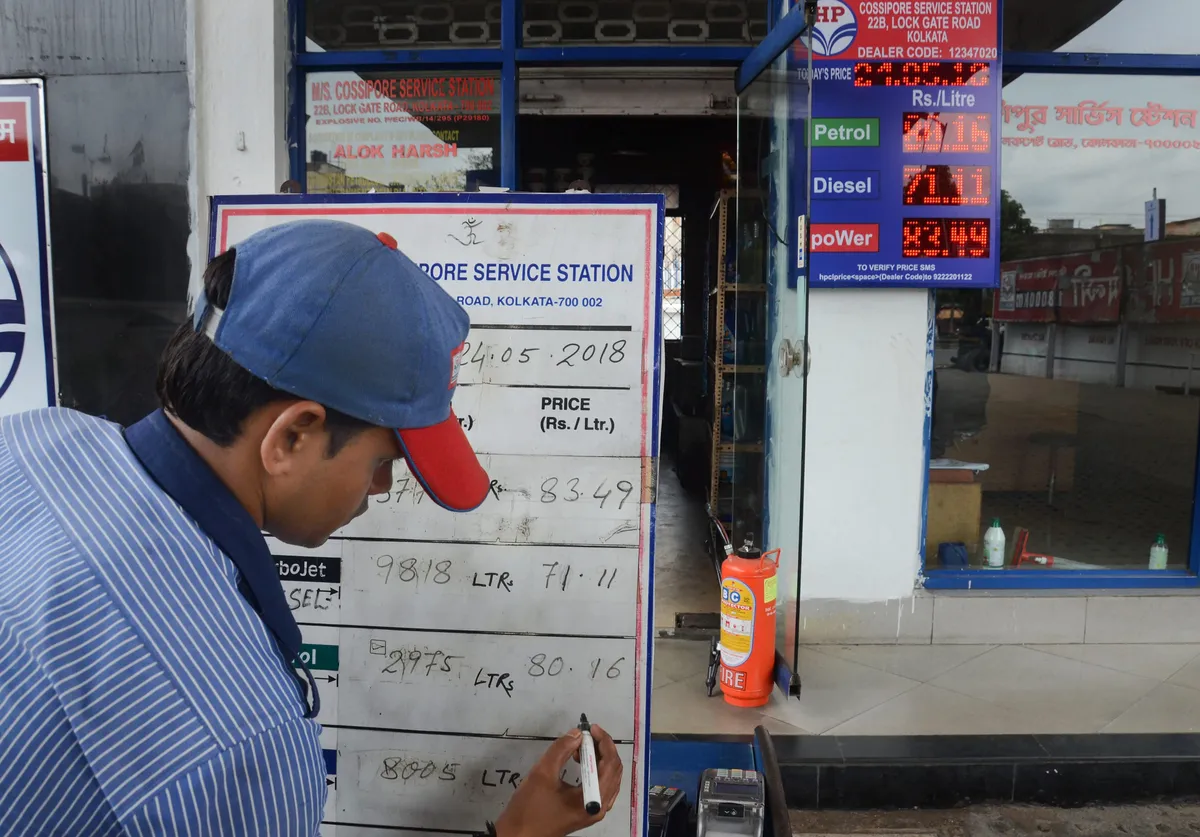
Significant Economic Strain
The recent surge in fuel prices in Nigeria has led to considerable economic repercussions, particularly affecting the aviation sector and food prices. Nigerian airlines are currently absorbing losses due to the dramatic increase in aviation fuel costs, which have risen from approximately 1,000 Naira to about 1,800 Naira per liter. This spike in fuel prices is forcing airlines to grapple with the challenge of maintaining operational viability while facing the pressure of rising costs.
Impact on Aviation Sector
Obiora Okonkwo, a prominent figure in the aviation industry, expressed the ongoing struggle of airlines to cope with these rising costs. “We are still battling how to deal with it,” he stated, highlighting the difficulties faced by operators. The situation is exacerbated by the inability of airlines to significantly raise ticket prices in response to the fuel price hikes. Okonkwo remarked, “You can’t just wake up and say ‘I’m doubling or tripling my fare’ as much as the aviation fuel new price.” This indicates a delicate balance between maintaining customer demand and covering operational costs.
Food Prices on the Rise
The impact of rising fuel prices extends beyond aviation, significantly affecting food prices across Nigeria. Foodstuff traders in Lagos have linked the increase in transportation and logistics costs to the soaring fuel prices. For instance, the price of a basket of tomatoes has skyrocketed from about US$9 to approximately US$18, marking a staggering 100% increase. Similarly, the cost of a bag of beans has surged from around US$29 to between US$42 and US$43.
Broader Economic Context
The rising costs of food items are not isolated incidents; they are part of a broader trend influenced by global events. Crude oil prices have risen above US$110 per barrel, largely due to tensions linked to the ongoing conflict involving the United States, Israel, and Iran. This conflict, which began on February 28, has disrupted global energy supplies, further exacerbating the situation in Nigeria.
Calls for Government Intervention
Public Concerns
The public is increasingly concerned about the implications of these price hikes. Folukemi Olamiposi, a food trader, noted the drastic changes in prices, stating, “Today tomatoes jumped from 25k to 75k a basket, Rodo 80-90k, petrol 1400 per liter.” This sentiment reflects the frustration and confusion among consumers regarding the rapid inflation of essential goods. Olamiposi further questioned, “Please, people who understand what is going on, explain. Are we also at war?”
Looking Ahead
As the situation continues to evolve, the uncertainties surrounding fuel prices and their cascading effects on various sectors remain a pressing concern for Nigerians. Details remain unconfirmed regarding potential government actions or further developments in the global oil market that could influence local prices. The coming weeks will be crucial in determining how these dynamics will unfold and impact the everyday lives of citizens.