What happens when a cruise ship becomes the site of a deadly hantavirus outbreak? Tragically, three people have died from this disease aboard the MV Hondius, which has prompted an urgent investigation by the World Health Organisation into additional suspected cases.
The outbreak has raised significant concerns, especially since a 69-year-old UK national is currently in intensive care in South Africa due to hantavirus complications. The cruise ship was carrying around 150 tourists when the outbreak occurred, with the vessel having departed from Argentina approximately three weeks ago for a voyage that included stops in Antarctica and the Falkland Islands.
Key facts:
- Three fatalities reported, including a Dutch couple and a German national.
- The WHO confirmed one case of hantavirus infection and is investigating five additional suspected infections.
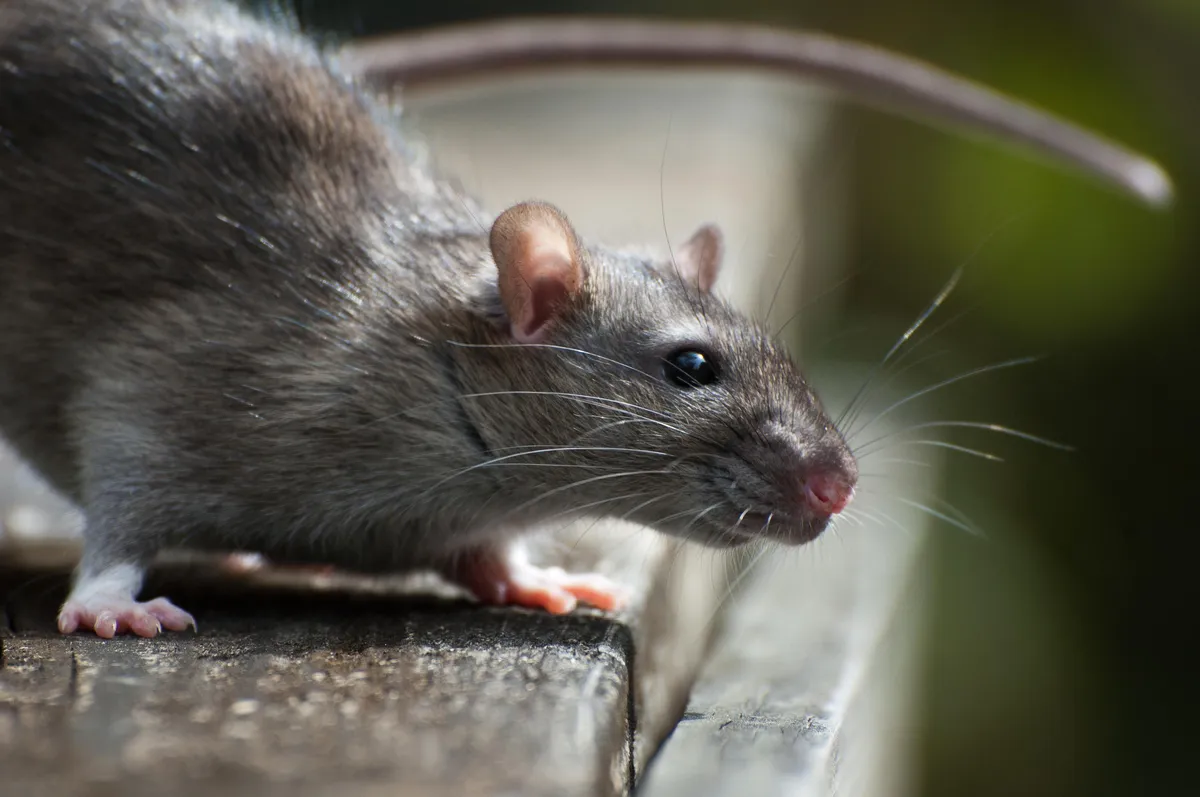
- Hantavirus infections are typically linked to environmental exposure, particularly through contact with rodent urine or feces.
This situation highlights the role of rodent reservoirs in transmitting diseases like hantavirus pulmonary syndrome. Experts emphasize that while human-to-human transmission is rare, the disease can lead to severe respiratory illness. As Associate Prof Vinod Balasubramaniam noted, “Hantaviruses are typically an environmental exposure linked to rodents.”
That context matters because it underscores the importance of public health action and epidemiological investigations in such outbreaks. Officials have not yet established the exact cause of the passengers’ deaths, leaving many questions unanswered about how this could have happened on a cruise ship.
The investigation by WHO will likely focus on identifying potential sources of infection and ensuring that similar outbreaks do not occur in the future. With multiple cases under scrutiny, there is an urgent need for clarity on how these infections spread among passengers.