Introduction
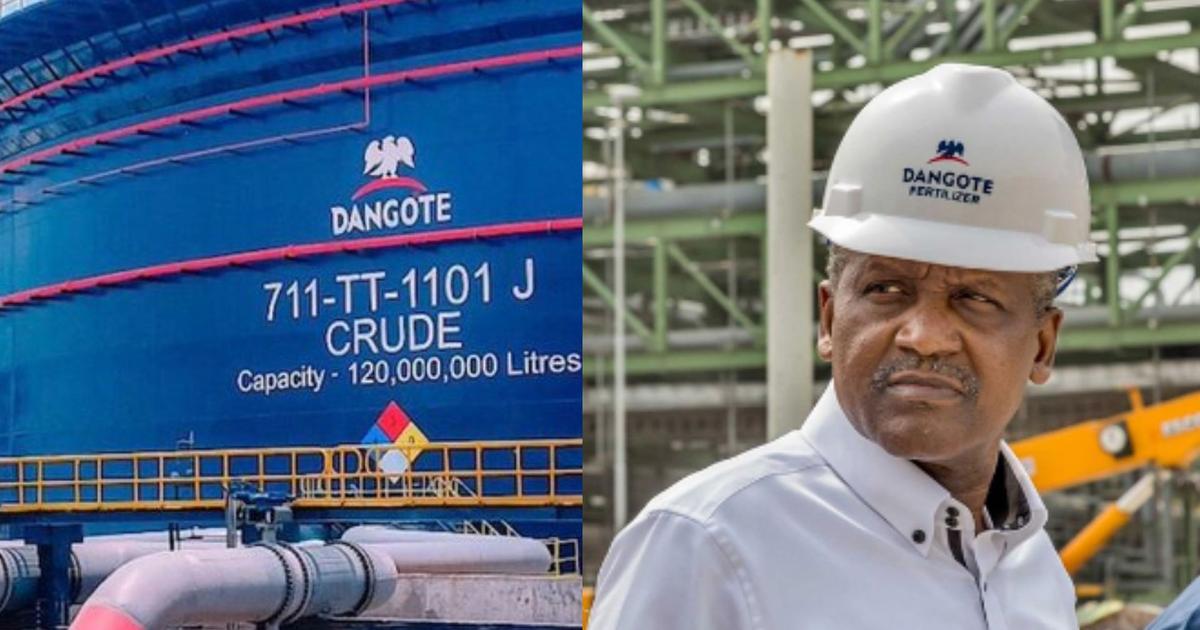
In recent months, the Dangote Refinery, which is touted as one of the largest oil refineries in Africa, has emerged as a pivotal player in Nigeria’s oil sector. Given Nigeria’s status as one of the foremost oil producers in Africa, the refinement and processing of crude oil into petrol is crucial not only for the economy but also for the daily lives of ordinary Nigerians. With the refinery set to commence full operations soon, there is growing speculation on how this will affect petrol prices across the country.
Current Situation of Petrol Prices
As of now, petrol prices in Nigeria continue to fluctuate, primarily influenced by international oil prices and the Naira’s exchange rate against foreign currencies. Currently, petrol prices hover around 600 Naira per liter, a figure that reflects the economic challenges in the nation and the burden of fuel subsidies. Residents have been bearing the brunt of these high prices, which have considerable effects on transportation and the cost of living.
The Role of Dangote Refinery
The Dangote Refinery, located in Lekki, Lagos, is projected to produce 650,000 barrels of crude oil per day when fully operational. Experts believe that the refinery could help stabilize petrol prices by increasing local production and decreasing dependency on imported fuel, which often comes with hefty importation costs and taxes. Upon its commencement, it is expected to significantly undercut the current petrol prices due to lower production costs.
Potential Impacts on the Economy
The forthcoming operation of Dangote Refinery is expected to create a ripple effect throughout the Nigerian economy. Lower petrol prices may lead to reduced transportation costs, which in turn can spark economic growth by making goods cheaper for consumers. Furthermore, having a local refinery could insulate Nigeria from the volatility of global oil prices, providing a more stable pricing structure for petrol.
Conclusion
The Dangote Refinery holds the potential to transform the petrol price landscape in Nigeria. With its ability to produce fuel locally, the dependency on imports may decline and with it, the vulnerability to international market fluctuations. As Nigeria anticipates the launch of this refinery, citizens and stakeholders alike are hopeful that it will usher in a new era of affordable petrol and enhanced economic stability. Nevertheless, close monitoring and government policies will be essential in maximizing the benefits of this development for all Nigerians.