What is the significance of International Women’s Day?
International Women’s Day, celebrated annually on March 8, raises critical questions about the state of gender equality and women’s rights worldwide. In 2026, the focus will be on recognizing women’s contributions to democracy while addressing the persistent gaps in gender equality.
Current challenges faced by women
As we approach International Women’s Day 2026, alarming statistics highlight the challenges women continue to face. Globally, around 4,000 adolescent girls and young women newly acquire HIV every week, with a staggering 3,300 of these infections occurring in sub-Saharan Africa. This situation underscores the intersection of health and gender inequality, as HIV thrives where gender inequality persists, according to Winnie Byanyima.
Violence and decision-making power
Moreover, nearly one in four adolescent girls experiences physical or sexual violence before the age of 20. This violence is compounded by the fact that fewer than half of women globally can make their own decisions regarding sex, contraception, and health care. Such statistics reveal a troubling reality where women’s autonomy is severely restricted.
The role of patriarchy
The persistence of violence against women and the lack of decision-making power are rooted in patriarchal structures that concentrate authority primarily in the hands of men. Rev. Dr. Marcia Blasi emphasizes that “presence is not participation,” highlighting the need for genuine engagement and empowerment of women in all spheres of life.
Gender justice as a collective issue
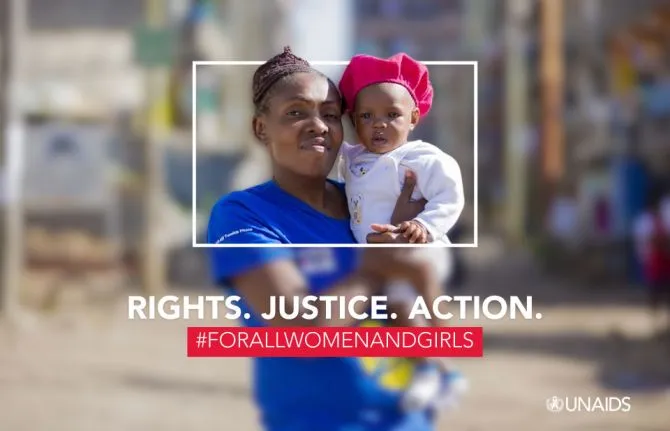
Gender justice is not merely a women’s issue; it is a societal concern that demands accountability and transformation. The call for gender justice is echoed by leaders like Kevin Casas-Zamora, who states, “Rights. Justice. Action. For ALL Women and Girls.” This perspective emphasizes that achieving gender equality is essential for the advancement of society as a whole.
Looking ahead
As International Women’s Day 2026 approaches, the global community is urged to reflect on the progress made and the work that remains. While the day serves as a celebration of women’s contributions to democracy, it also acts as a reminder of the ongoing struggles for gender equality. The path forward requires collective action and a commitment to addressing the systemic issues that perpetuate inequality.
In summary, International Women’s Day is a pivotal moment to recognize the contributions of women while confronting the stark realities of gender inequality. As we prepare for this significant day, the focus must remain on fostering an environment where all women can thrive, free from violence and discrimination. Details remain unconfirmed regarding specific initiatives planned for this year’s observance, but the call for action remains clear.