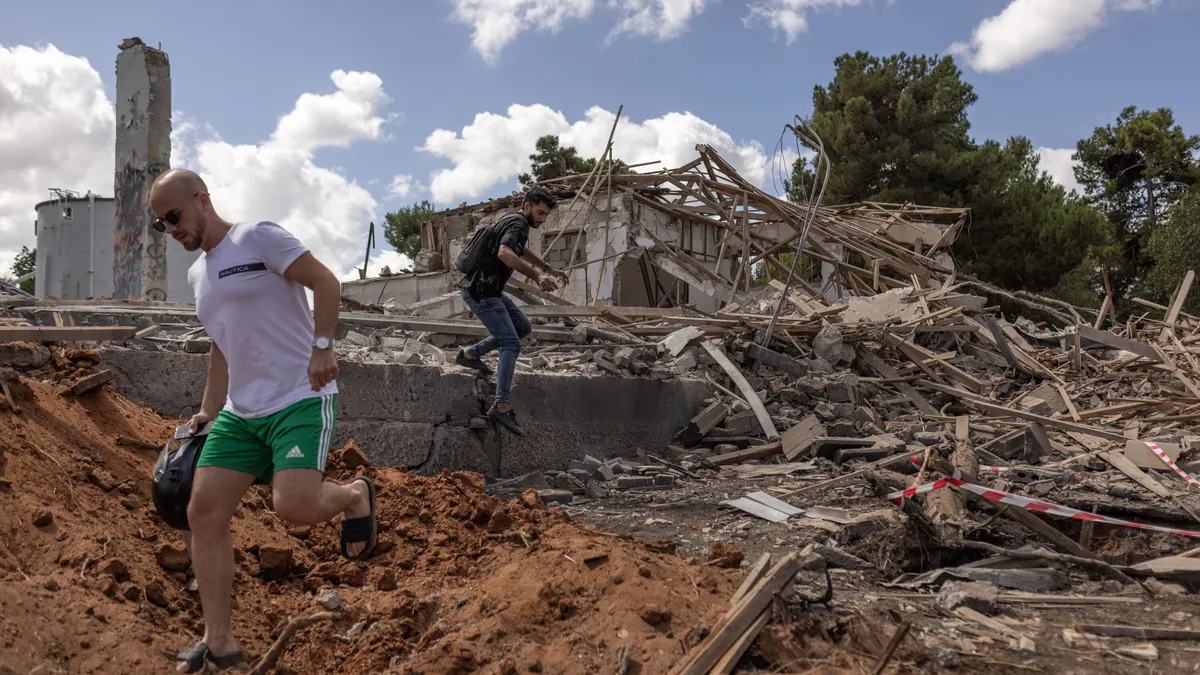
The Iran Israel War has reached a critical juncture, now entering its seventeenth day, with profound implications for the global economy and regional stability. The conflict has already disrupted international energy markets, particularly through Iran’s blockade of the Strait of Hormuz, a vital waterway through which approximately 20% of global oil flows. As a result, Brent oil prices have surged to $120 per barrel, the highest level in four years, reflecting the escalating tensions and their economic fallout.
The war’s origins can be traced back to a surprise strike by Israel that resulted in the death of Iran’s Supreme Leader Ayatollah Khamenei on February 28. This attack not only eliminated a key figure in Iranian leadership but also triggered a series of retaliatory actions from Iran, including missile and drone strikes on Israeli territory that killed at least 12 people. In response, the Israeli government declared a nationwide state of emergency, signaling the seriousness of the threat posed by Iranian retaliation.
In the wake of the initial attacks, Iran has vowed to resist the Israeli offensive and has demanded reparations from the United States for the damage caused by the military actions. The U.S. military investigation confirmed America’s liability in an attack that resulted in the tragic deaths of 175 innocent schoolgirls, further complicating the geopolitical landscape and fueling anti-U.S. sentiments in Iran.
The economic impact of the conflict is already being felt globally, with the war costing the U.S. approximately $11.3 billion within its first six days. This financial burden is compounded by rising costs of goods and services worldwide, as the conflict continues to disrupt supply chains and energy prices. The situation has prompted concerns in various countries, including Nigeria, where petrol and diesel prices have surged to ₦1,350 and ₦1,700 per litre, respectively.
Reaction from the field
As the conflict escalates, reactions from various leaders highlight the gravity of the situation. Alireza Salarian, Iran’s ambassador to Cyprus, remarked, “Nobody expected or predicted the attacks when we had finished a third round of negotiations in Geneva.” This sentiment reflects the shock and unpredictability that has characterized the recent developments. Meanwhile, retired major general Noam Tibon stated, “I think they have realized that all previous negotiations with Iran have been a waste of time,” indicating a shift in perceptions regarding diplomatic efforts.
Former Israeli Defense Minister Benny Gantz expressed solidarity, stating, “We all stand together — and we will win!” This statement underscores the resolve of Israeli leadership in the face of Iranian aggression. Conversely, Ayman Odeh, a left-wing Arab-Israeli parliamentarian, cautioned citizens, saying, “Take good care of yourselves — because this government will not do it for you,” reflecting concerns about domestic security and government effectiveness amid the ongoing conflict.
As the war continues, uncertainties loom large over its long-term impact on the global economy and the potential for a broader regional conflict. The outcome of this conflict and its implications for U.S. and Israeli strategy remain unconfirmed. With Iran’s new Supreme Leader Mojtaba Khamenei asserting that the Strait of Hormuz will remain closed as a “tool of pressure,” the stakes are higher than ever, and the situation warrants close monitoring.