How it unfolded
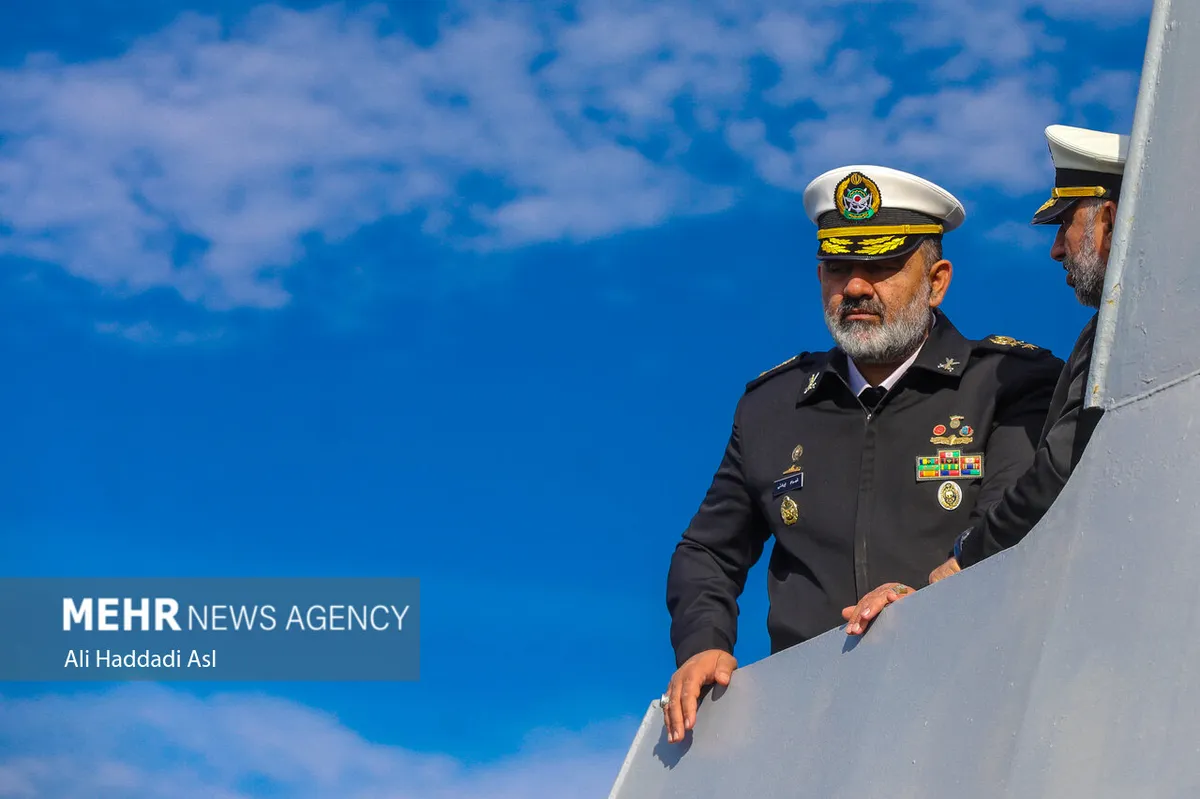
On March 26, 2026, a significant event unfolded near Bandar Abbas in the Strait of Hormuz, marking a pivotal moment in the ongoing conflict between Iran and Israel. Alireza Tangsiri, the commander of the Islamic Revolutionary Guard Corps (IRGC) Navy, was killed in a targeted strike attributed to Israeli forces. This incident has raised alarms over the escalating military tensions in the region.
Tangsiri had been appointed as the commander of the IRGC Navy in 2018, following a decade of service as the deputy commander. He was known for his vocal opposition to the United States and Israel, and his leadership was marked by aggressive posturing, including threats to close the strategically vital Strait of Hormuz if Iran’s oil exports were threatened. His tenure was characterized by a series of confrontations with Western powers and their allies.
The Israeli Defense Minister, Israel Katz, stated that Tangsiri was responsible for orchestrating terrorist acts in the Strait of Hormuz, which has long been a flashpoint for military and economic tensions. Katz’s remarks underscored the Israeli government’s view of Tangsiri as a significant threat, further justifying the strike that ultimately led to his death.
In addition to Tangsiri, the strike also resulted in the deaths of other senior IRGC commanders, including the intelligence chief Behnam Rezaei. This loss is perceived as a substantial blow to the IRGC’s command-and-control capabilities, potentially destabilizing their operations in the region.
The Israeli military, known as the IDF, issued a statement emphasizing the importance of the strike, declaring that “the killing of Tangsiri and the IRGC Navy leadership constitutes an additional significant blow to the command-and-control arrays of the IRGC.” This statement reflects the broader strategy of the Israeli government to dismantle the operational capabilities of Iranian military leaders.
Israeli Prime Minister Benjamin Netanyahu reinforced this narrative, stating that Tangsiri had “a great deal of blood on his hands” and was instrumental in leading efforts to close the Strait of Hormuz. Netanyahu’s comments highlight the Israeli perspective that the elimination of such figures is essential for regional security and stability.
The implications of Tangsiri’s death extend beyond immediate military concerns. It signifies a potential shift in the balance of power within the IRGC and raises questions about Iran’s response. The ongoing conflict has already resulted in significant casualties, with reports indicating a death toll of approximately 4,500 from the US-Israel war with Iran, including 3,291 estimated deaths in Iran alone.
As tensions continue to rise, the international community watches closely. The killing of Tangsiri may provoke further retaliatory actions from Iran, which has historically responded aggressively to perceived threats against its military leadership. The situation remains fluid, and details remain unconfirmed regarding potential Iranian responses or shifts in military strategy following this high-profile assassination.