Transition of Power
Mojtaba Khamenei was appointed as Iran’s new Supreme Leader on March 9, 2026, following the death of his father, Ayatollah Ali Khamenei, in US-Israeli strikes. This appointment comes at a time when Iran is facing its biggest crisis in 47 years, leading to heightened scrutiny of the new leadership.
Prior to this development, expectations surrounding the leadership transition were uncertain, particularly given Mojtaba Khamenei’s lack of formal government experience. His ascension marks a significant shift in Iran’s political landscape, as he is perceived as a hardliner with strong ties to the Islamic Revolutionary Guard Corps (IRGC).
The immediate reactions to Khamenei’s appointment have been polarized. Oman’s Sultan sent a cable of congratulations, while Iraqi Prime Minister Mohammed Shia al-Sudani expressed confidence in the new leadership, stating, “We express our confidence in the ability of the new leadership in the Islamic Republic of Iran to manage this sensitive stage.” This indicates a level of regional support for the new Supreme Leader.
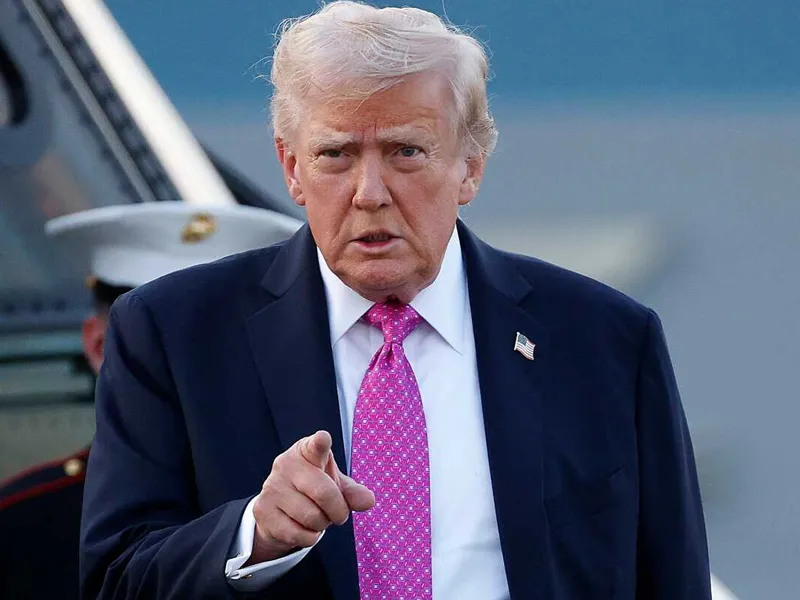
Conversely, US President Donald Trump criticized the appointment, calling it a “big mistake.” This reflects ongoing tensions between the United States and Iran, particularly in light of the recent military actions that led to the elder Khamenei’s death.
International Perspectives
International responses continue to shape the narrative surrounding Mojtaba Khamenei’s leadership. Russian President Vladimir Putin pledged “unwavering support” for Iran, emphasizing solidarity with the new regime. In contrast, Israel’s Foreign Ministry labeled Khamenei a “tyrant” and issued threats against any potential successors.
China’s Foreign Ministry supported the legitimacy of Khamenei’s appointment, asserting that it was based on Iran’s constitution. This endorsement highlights the geopolitical implications of the leadership change, particularly as China seeks to maintain its influence in the region.
The appointment of Mojtaba Khamenei as Iranian Supreme Leader signifies a pivotal moment in Iran’s political history. As the new leader navigates both domestic and international challenges, the reactions from various global leaders will likely play a crucial role in shaping Iran’s future direction.