Significant Consequences of the Iranian Conflict
The ongoing conflict involving Iran has led to severe repercussions in the region, particularly in Lebanon, where families are fleeing Israeli airstrikes targeting Hezbollah. Many have sought refuge in makeshift shelters, including stadiums and schools in Beirut, as the violence escalates. The humanitarian crisis is deepening, with reports indicating that the Bir Hassan Technical Institute has been repurposed to accommodate displaced individuals, highlighting the urgent need for assistance.
Causes and Chain of Events
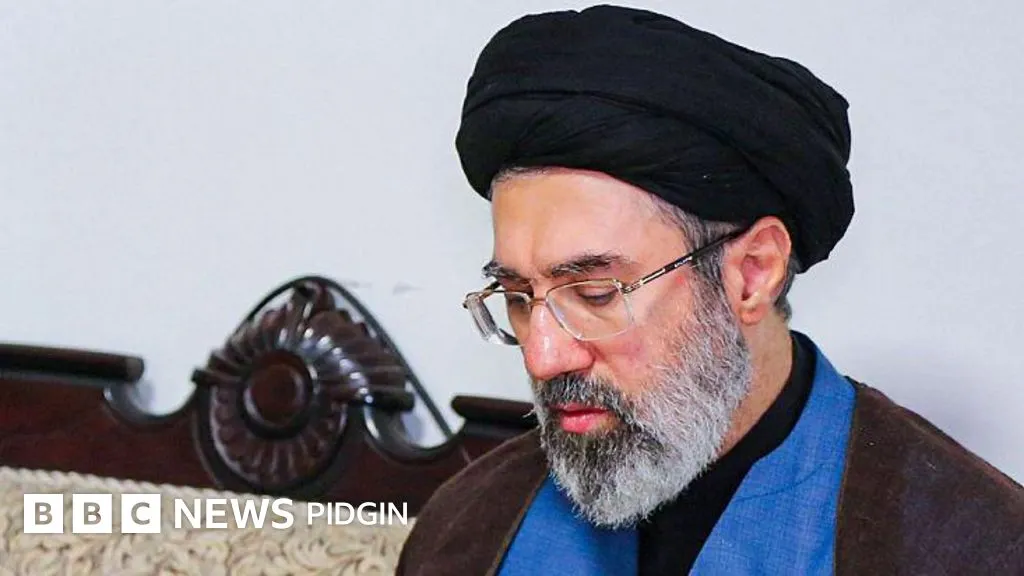
The current situation can be traced back to the intensifying U.S.-Israel war, which has significant implications for Iran and its allies. In recent days, the Israeli army has launched attacks on a nuclear weapons development complex in Tehran, prompting a strong response from Iran. Majtaba Khamenei, Iran’s supreme leader, has vowed to avenge the deaths of citizens killed in the conflict and has reiterated the commitment to block the Strait of Hormuz, a critical chokepoint for global oil supply.
Supporting Details and Impact on Oil Prices
The conflict has also had a dramatic effect on global oil prices, with crude oil surpassing $100 per barrel. This surge is attributed to the ongoing hostilities and the potential closure of the Strait of Hormuz, which is vital for oil transportation. In response to the rising prices, 32 countries are set to release a total of 400 million barrels from their emergency reserves, with 172 million barrels coming from the United States alone. This move aims to stabilize the market amidst the turmoil.
Humanitarian Crisis in Lebanon
As the conflict escalates, the humanitarian situation in Lebanon becomes increasingly dire. Displaced families are sharing their harrowing experiences, with reports of individuals receiving medical attention in schools converted into shelters. Children, who have been uprooted from their homes, are seen playing in these makeshift facilities, a stark reminder of the conflict’s impact on the most vulnerable populations.
Iran’s Military Actions
The Iranian Revolutionary Guard Corps (IRGC) has announced a series of attacks on targets in Israel, marking the 41st wave of such military operations. This escalation is part of Iran’s broader strategy to assert its influence in the region and retaliate against perceived aggressions. The ongoing military actions are likely to further complicate the already volatile situation, drawing in more regional players and increasing the stakes for all involved.
Statements from Leadership
In light of the escalating violence, Khamenei’s rhetoric has intensified. He stated, “We will still close the Strait of Hormuz and avenge the blood of the killed children, including those from Minab schools.” Such declarations underscore Iran’s commitment to retaliate and maintain its strategic interests in the region, even as the conflict continues to unfold.
Uncertainties Ahead
As the situation develops, uncertainties remain, particularly regarding the health condition of Majtaba Khamenei. Details remain unconfirmed, leaving observers to speculate on the potential implications for Iran’s leadership and its approach to the ongoing conflict. The international community is closely monitoring these developments, as the outcomes could have far-reaching effects on regional stability and global energy markets.