Significant Consequences of the Iranian Conflict
The ongoing conflict involving Iran has led to severe consequences, particularly for families in southern Lebanon. As Israeli airstrikes target Hezbollah positions, many families are fleeing their homes and seeking refuge in makeshift shelters, such as stadiums and schools in Beirut. This mass displacement highlights the immediate humanitarian crisis resulting from the conflict.
Displacement and Humanitarian Response
Reports indicate that the Bir Hassan Technical Institute has been repurposed as a shelter for those displaced by the violence. A displaced woman, who fled the airstrikes in Dahiyeh, is currently receiving medical attention at a school that has been converted into a shelter. The situation for many displaced individuals, including children, remains dire as they seek safety and basic necessities.
Iran’s Response to the Conflict
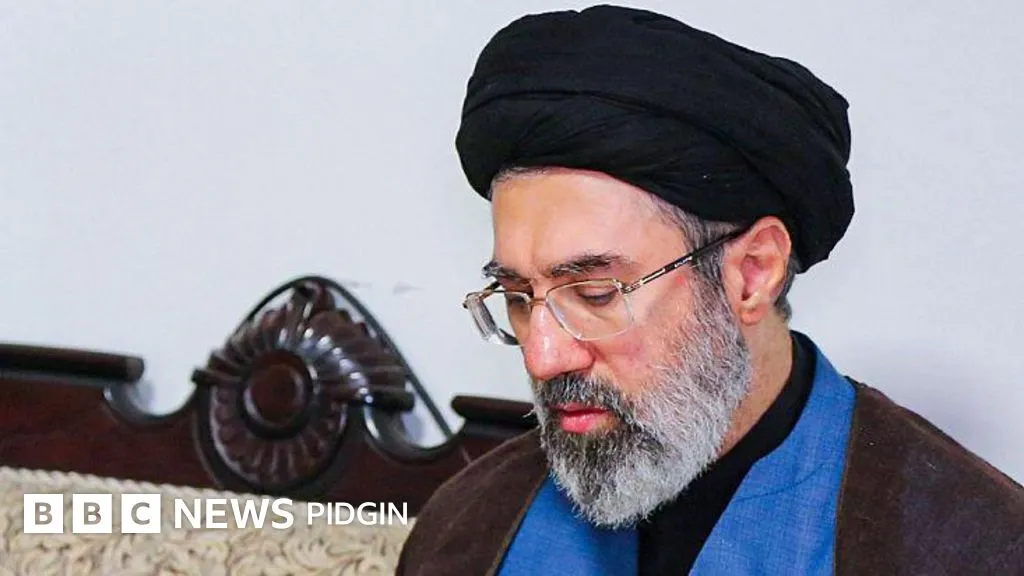
In response to the escalating violence, Iran’s supreme leader, Majtaba Khamenei, has vowed to avenge the deaths of citizens killed in the conflict. He has also reiterated Iran’s commitment to blocking the Strait of Hormuz, a critical passage for global oil shipments. This declaration underscores the potential for further regional instability and conflict.
Impact on Global Oil Prices
The conflict has had a significant impact on global oil markets, with the price of crude oil surpassing $100 per barrel. This surge is attributed to the ongoing hostilities and the threat of closing the Strait of Hormuz, through which a substantial portion of the world’s oil supply passes. In response to the rising prices, 32 countries have announced plans to release a total of 400 million barrels from their emergency reserves, with 172 million barrels expected to come from the United States.
Military Actions and Escalation
The Iranian Revolutionary Guard Corps (IRGC) has reported a wave of attacks on targets in Israel, marking the 41st such operation. Additionally, the Israeli army has recently targeted a nuclear weapons development complex in Tehran, further escalating tensions between the two nations. These military actions indicate a significant deterioration in relations and an increase in hostilities.
International Reactions and Concerns
The international community is closely monitoring the situation, as the conflict poses risks not only to regional stability but also to global energy security. The ongoing U.S.-Israel war is having a profound impact on Iran and its neighbors, raising concerns about the potential for a wider conflict.
Uncertainties and Future Developments
As the situation unfolds, uncertainties remain, particularly regarding the health condition of Majtaba Khamenei. Details remain unconfirmed, but his leadership and decisions will likely play a crucial role in shaping the future of the conflict and its implications for the region.