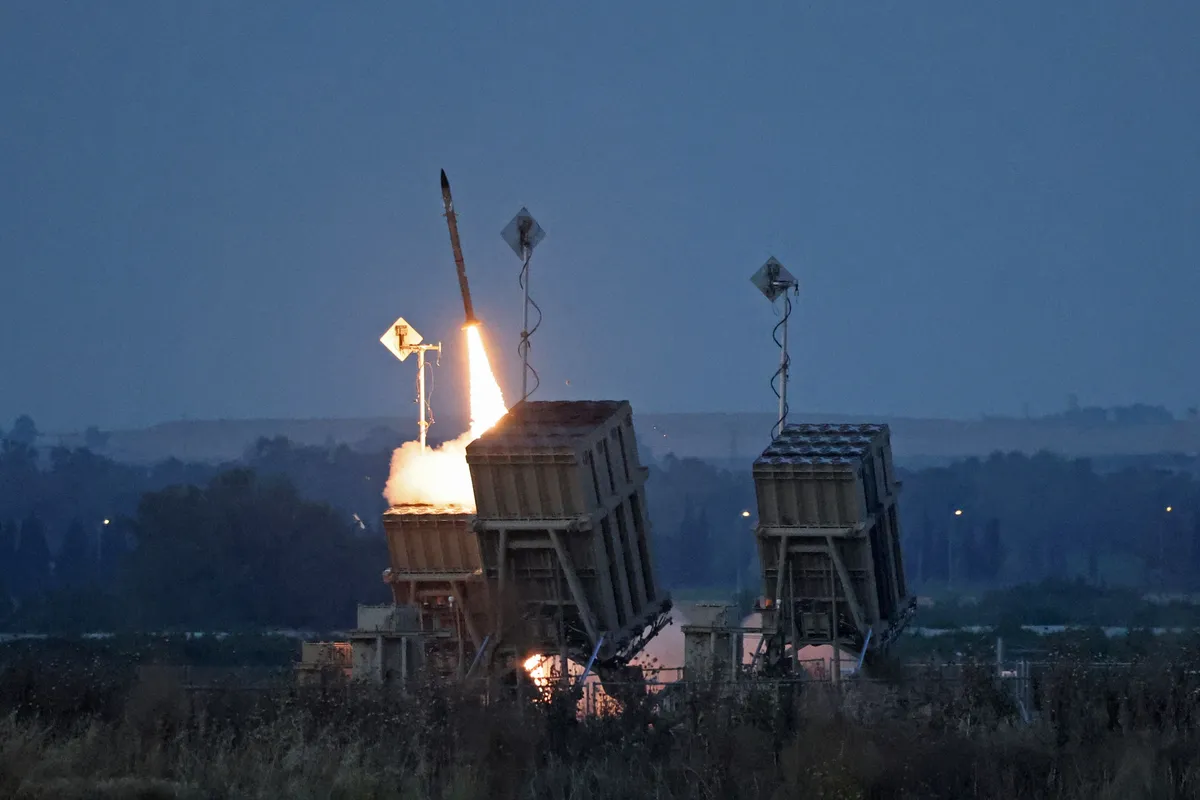
The deployment of the Iron Dome in the United Arab Emirates marks a significant shift in air defense collaboration, particularly amid escalating threats from Iran. This move comes as tensions rise, with the UAE facing numerous attacks from Iranian missiles.
That context matters because it highlights a deepening military cooperation between Israel and the UAE, especially since the signing of the Abraham Accords in 2020. The Iron Dome intercepted an Iranian missile over the UAE, representing its first operational use outside Israel or the United States during an active conflict.
In recent months, the UAE has endured approximately 550 ballistic missiles and 2,200 drone strikes, underscoring its vulnerability. Iran has launched a staggering 560 ballistic and cruise missiles along with over 2,250 drones targeting the region. This alarming frequency of attacks has pushed both nations to enhance their defense strategies.
The interception of an Iranian missile confirms a transition from mere diplomatic normalization to a functional security alliance. Prime Minister Benjamin Netanyahu authorized this deployment in secret, following direct coordination with Emirati leader Mohammed bin Zayed Al Nahyan.
This engagement marks a turning point for both countries. The presence of Israeli Defense Forces personnel alongside the Iron Dome during its deployment emphasizes this commitment to mutual security.
Military analysts view this collaboration as vital for regional stability. With Iran’s aggressive posture, such partnerships may become increasingly essential for nations feeling threatened.
However, uncertainties linger regarding future developments. While this deployment strengthens immediate defenses, how it will evolve remains unclear. Will further military integrations follow? The answer hinges on ongoing geopolitical dynamics.