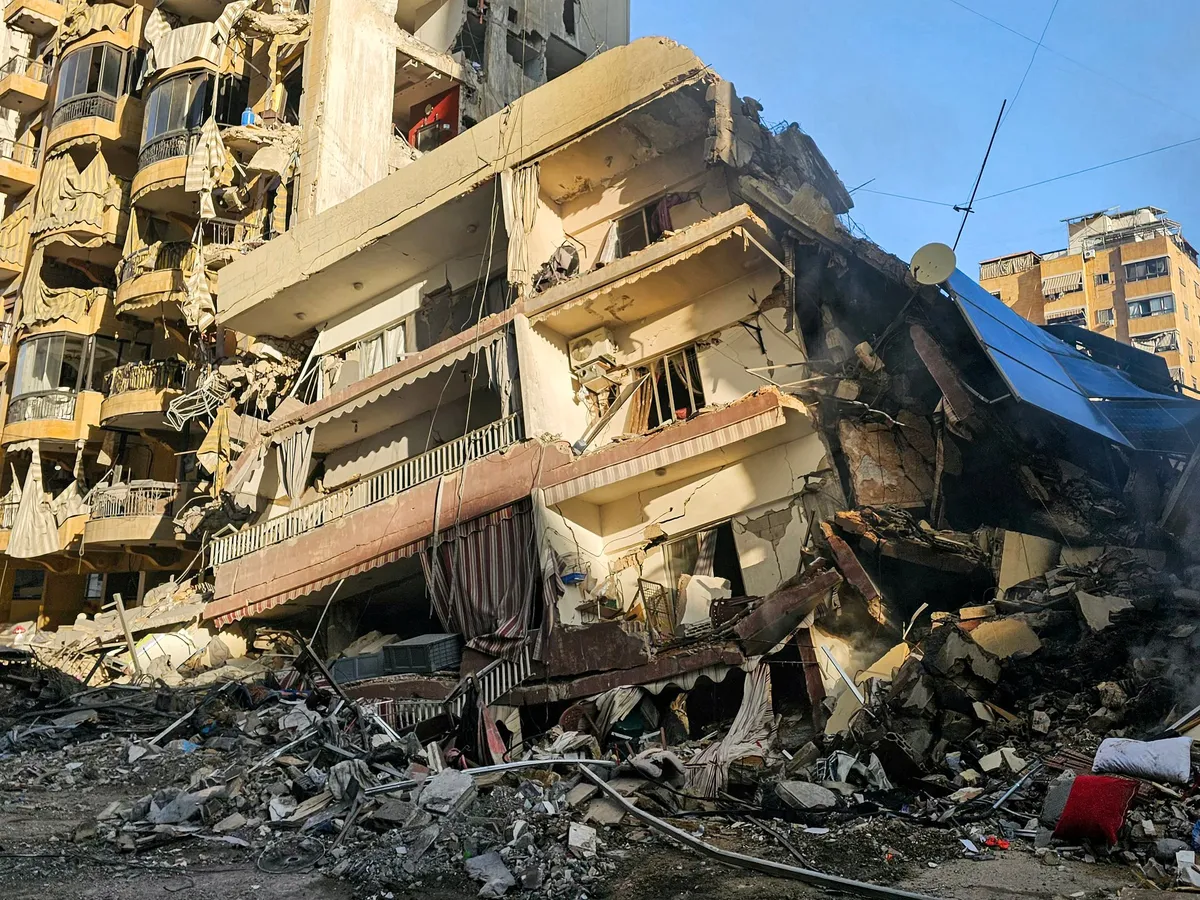
Ayatollah Ali Khamenei was assassinated in US-Israeli strikes on February 28, 2026. This pivotal event has led to a significant shift in Iran’s leadership, with Mojtaba Khamenei now appointed as the new supreme leader. His ascension comes at a time of heightened tensions between Iran and Israel, as well as other regional players.
Current Developments
The war between Iran and Israel has entered its 10th day as of March 9, 2026. Iran has escalated its military actions, launching missile and drone attacks on Israel and several Gulf states, including Saudi Arabia and Bahrain. In retaliation, the US and Israel have continued their offensive operations against Iranian targets.
Initial reports indicate that Iranian state media has confirmed at least 104 fatalities resulting from a US attack on an Iranian warship. The conflict has already resulted in over 1,200 deaths in Iran, nearly 400 in Lebanon, and 11 in Israel. Additionally, seven US service members have been killed since the onset of hostilities.
In response to the ongoing attacks, Saudi Arabia’s Foreign Ministry stated, “The Kingdom affirms that it retains its full right to take all necessary measures to safeguard its security, sovereignty, and the safety of its citizens and residents, and to deter aggression.” This statement underscores the regional implications of the conflict.
Meanwhile, Donald Trump expressed his disapproval of the new Iranian leadership, stating, “Khamenei’s son is unacceptable to me.” This sentiment reflects the broader concerns among international observers regarding the potential for increased aggression under Mojtaba Khamenei, who is believed to hold more hard-line views than his predecessor.
The conflict has also had significant economic repercussions, with the price of Brent crude oil surging to $119.50 per barrel. Bahrain’s state oil company Bapco has declared ‘force majeure’ on its operations due to the escalating violence, indicating the potential for further disruptions in the region’s oil supply.
Looking Ahead
As the situation continues to evolve, observers are closely monitoring the potential for further escalation. Iran’s Revolutionary Guard remains active, firing missiles and drones at both Israel and Gulf Arab states. The international community is bracing for the implications of this conflict, particularly as it relates to regional stability and global oil markets.