Introduction
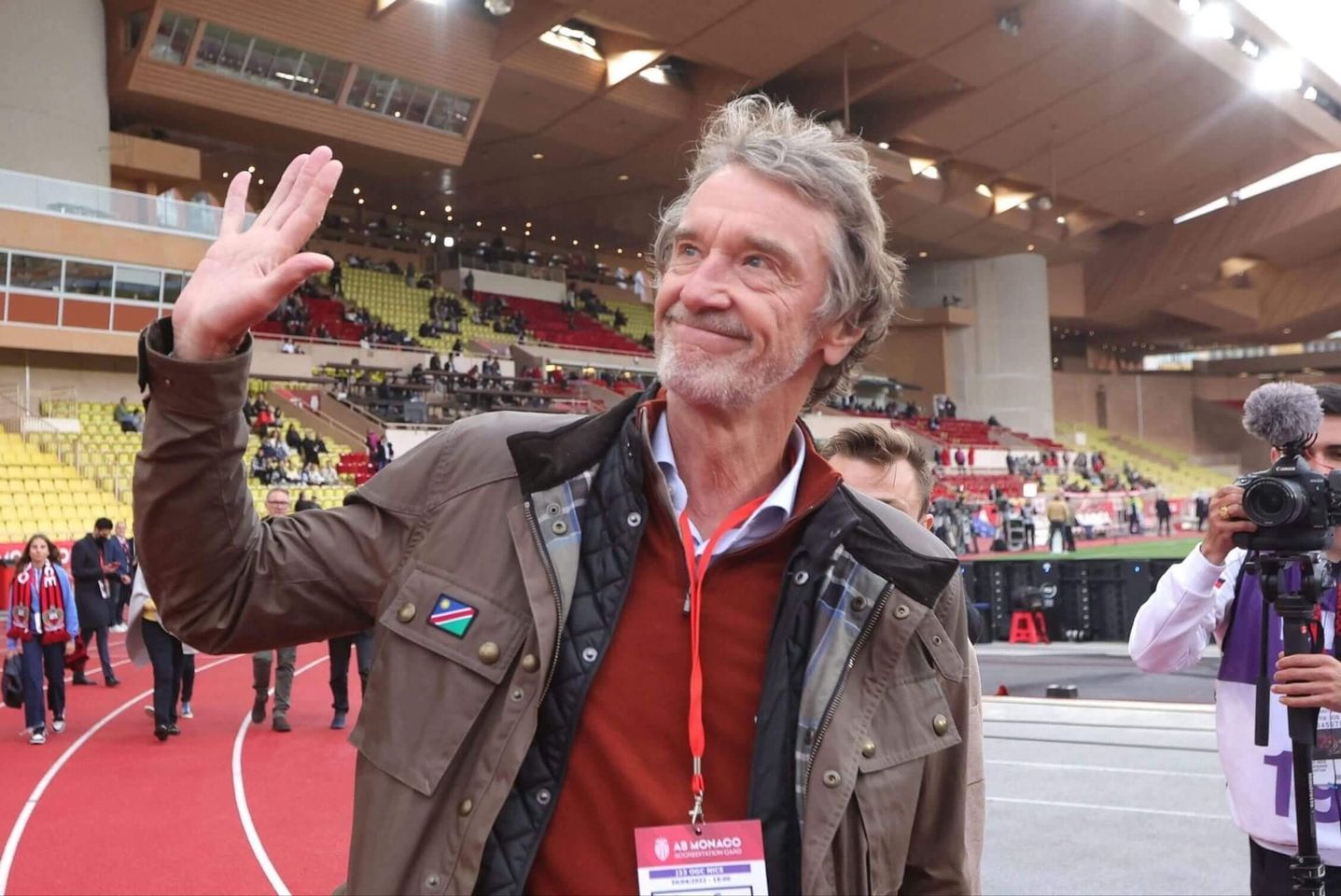
Jim Ratcliffe, the billionaire industrialist, has recently made headlines by acquiring a stake in Manchester United Football Club. This development is crucial not just for the club but for the landscape of football ownership in general. With Ratcliffe’s long-standing connection to sports and his reputation as a successful businessman, many are watching closely to see how his involvement will impact the team’s future performance and management.
Details of the Investment
In October 2023, reports confirmed that Ratcliffe’s company, INEOS, purchased a 25% stake in Manchester United, marking his entry into a club that has been under scrutiny for various reasons, including performance issues and fan dissatisfaction with existing management. This investment is significant, especially as Manchester United struggles to return to its former glory in English football. The acquisition is seen as part of Ratcliffe’s broader strategy to reinvigorate the club and restore its competitive edge.
The Implications of Ratcliffe’s Stake
Ratcliffe is not a stranger to the sporting world; he has previously invested in cycling, and his passion for sports management is evident. His involvement is anticipated to bring a more business-oriented approach to the club’s operations. Fans and analysts alike are hopeful that Ratcliffe’s vision will lead to better player recruitment strategies and improvements in the club’s infrastructure, which have lagged in recent years. He has expressed a desire to ensure that Manchester United returns to the top of both domestic and European football.
Fan Reactions and Future Expectations
The announcement of Ratcliffe’s investment was met with mixed reactions from the fan base. While many view him as a potential savior who can redirect the club’s aim towards success, others remain cautious, concerned about the ongoing challenges that the club faces amidst financial constraints and shifting management dynamics. Fans have eagerly anticipated a shift in the club’s culture, possibly leading to more transparent governance and a commitment to developing home-grown talents.
Conclusion
As Jim Ratcliffe steps into a more prominent role at Manchester United, his influence might reshape the club’s path in the competitive landscape of football. His investment not only symbolizes hope for improvement on the pitch but also points to a larger trend in the industry, where wealthy investors seek to capitalize on classic clubs with rich histories. The coming months will be crucial for Ratcliffe as he navigates the complexities of ownership, fan expectations, and the overarching goal of reviving Manchester United’s stature in global football.