Introduction
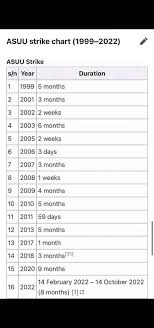
The Academic Staff Union of Universities (ASUU) strike has become a recurring issue in Nigeria, significantly affecting students’ education and the academic calendar. With the recent developments in negotiations, it is crucial for students, parents, and the broader society to stay informed about the potential impacts and resolutions surrounding this long-standing issue.
Background of the ASUU Strike
The ASUU began its current strike in early September 2023, demanding improved funding for universities, better salaries, and compliance with existing agreements made with the federal government in previous negotiations. This strike comes after several attempts by ASUU to address these issues through dialogues, all of which have largely been unfruitful, leading to frustration among members and students alike.
Current Developments
Recently, talks between the federal government and ASUU representatives have resumed, raising hopes for a resolution. The Minister of Education, Mallam Adamu Adamu, has urged both parties to reach an agreement that will allow for the reopening of institutions across the country. Despite the optimism, several challenges remain, including disagreements over salary structures and the backlog of funds owed to universities.
The prolonged strike has halted academic activities in public universities, affecting thousands of students nationwide. With exams and other academic obligations on hold, stakeholders are concerned about the long-term impacts on students’ educational progression and mental health. Many students have voiced their frustrations on social media, highlighting the need for urgent solutions.
Consequences of the Strike
The ongoing ASUU strike is not just an academic issue; it also has wider social and economic implications. According to reports, the Nigerian economy is expected to suffer losses upwards of 200 billion Naira due to the disruption of educational activities. Additionally, the strike has also led to a rise in the number of students seeking alternatives, including moving to private universities or pursuing education abroad, further straining public universities and diminishing their reputation.
Conclusion
The ASUU strike remains a critical situation that needs immediate attention from both the government and the union. As negotiations continue, it is essential for students, parents, and educators to advocate for a speedy resolution to this crisis. The prolonged strike threatens not just the academic futures of students, but also the overall educational landscape in Nigeria. Observers remain cautiously optimistic that the resumption of talks may lead to a positive outcome and the eventual reopening of universities, allowing students to continue their educational journeys.