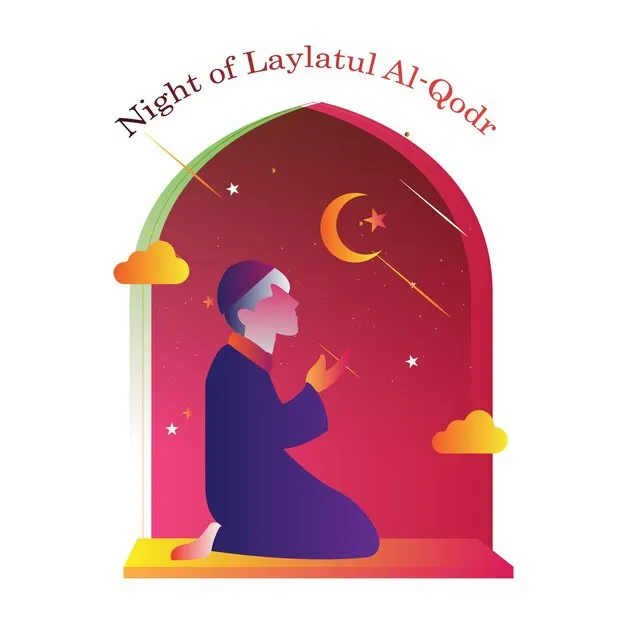
Significance of Laylat al-Qadr
Laylat al-Qadr, or the Night of Power, is one of the most significant moments of Ramadan, believed to be the night when destinies are decreed. It commemorates the night the Quran was revealed to the Prophet Muhammad, making it a time of heightened spiritual reflection and devotion for Muslims around the world. The Quran itself emphasizes the importance of this night, stating that it is better than a thousand months, highlighting its unique place in the Islamic faith.
Prior Expectations and Observances
Before the arrival of Laylat al-Qadr, Muslims engage in various forms of worship and prayer throughout Ramadan. The last ten days of Ramadan are particularly significant, as many believe that Laylat al-Qadr falls within this period. Both Shia and Sunni Muslims seek this blessed night, with the exact date remaining uncertain. Traditionally, it is believed to occur on one of the odd nights: the 21st, 23rd, 25th, 27th, or 29th nights of Ramadan. Shia Muslims often give special significance to the 23rd night, while Sunni Muslims tend to favor the 27th night.
The Decisive Moment
The anticipation surrounding Laylat al-Qadr culminates in the observance of Tahajjud prayers, which begin on March 10, 2026, at 12:45 AM in Makkah and Madinah. This voluntary night prayer is performed after the Isha prayer and before Fajr, allowing Muslims to engage in deep supplication and reflection. The Prophet Muhammad provided a special supplication for this night, urging believers to seek forgiveness and mercy from Allah.
Effects on the Community
The observance of Laylat al-Qadr has profound effects on the Muslim community. During this night, it is believed that the rewards for good deeds and prayers are multiplied significantly, encouraging increased acts of worship. Many Muslims engage in Itikaaf, a practice of seclusion in the mosque for intensified worship during the last ten days of Ramadan. This communal aspect of worship fosters a sense of unity and spiritual growth among participants.
Expert Perspectives
Experts like Seyyed Hossein Nasr emphasize the spiritual significance of Laylat al-Qadr, noting that it is a time for Muslims to reconnect with their faith and seek divine guidance. The Quran describes this night as calm and pleasant, neither hot nor cold, with the sun rising on its morning being feeble and red. Such descriptions add to the mystical aura surrounding Laylat al-Qadr, making it a cherished time for reflection and prayer.
As the month of Ramadan progresses, the anticipation for Laylat al-Qadr grows among Muslims. This night not only marks the revelation of the Quran but also serves as a reminder of the importance of prayer, reflection, and community in the Islamic faith. While the exact date remains uncertain, the collective effort to seek this blessed night unites Muslims in their devotion and worship.