Introduction
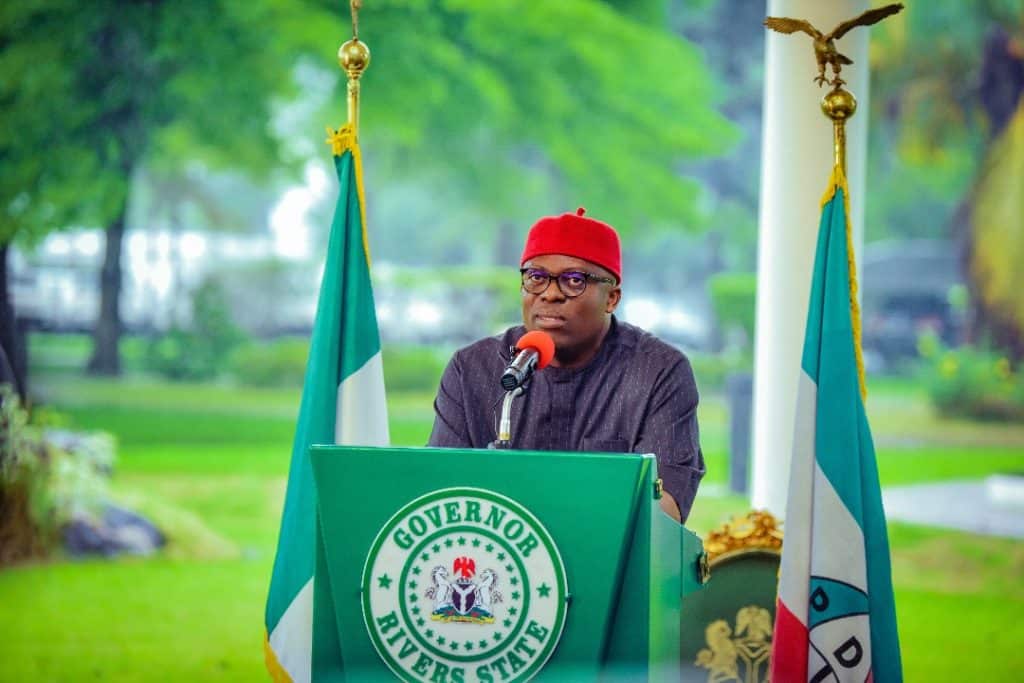
The role of state governors in Nigeria is pivotal to the country’s development, especially in regions rich in resources like Rivers State. Since assuming office, Governor Siminalayi Fubara has focused on various initiatives aimed at improving the welfare of residents and boosting economic growth. His leadership emphasizes transparency, infrastructure development, and inclusivity, making his tenure a subject of considerable interest and importance.
Governor Fubara’s Initiatives
Governor Fubara’s administration has prioritized several key areas to ensure sustainable development in Rivers State. One of the prominent initiatives has been the enhancement of the state’s education system. The governor has allocated increased funding towards educational infrastructure, aiming to improve both quality and accessibility for students at all levels. He believes education is a fundamental pillar for future generations and a critical factor for the state’s overall progress.
Another significant area of focus is healthcare. Following the challenges posed by the COVID-19 pandemic, Fubara’s government has intensified efforts to revamp healthcare facilities across Rivers State. Newly constructed health centers and improved health insurance schemes are part of the strategy to ensure that residents have access to quality health services.
Economic Development and Infrastructure
Economically, Governor Fubara has initiated various projects aimed at stimulating growth and attracting investment. The establishment of microfinance banks to support local entrepreneurship and small to medium-sized enterprises has been a key aspect of his economic strategy. Furthermore, infrastructure development, including road construction and public transportation systems, has seen significant investments, helping to enhance connectivity and foster economic activities in rural and urban areas alike.
Engagement with Youth and Civil Society
Recognizing the importance of youth engagement, Governor Fubara has actively sought the participation of young people in governance and decision-making processes. Initiatives such as youth forums and skills development programs are designed to empower the younger generation, ensuring they play a crucial role in the state’s development trajectory.
Conclusion
Governor Siminalayi Fubara’s term has thus far indicated a commitment to transformative governance in Rivers State. His policies on education, healthcare, economic development, and youth engagement are set to shape the future of the state significantly. As he continues to implement these initiatives, many residents remain hopeful for a better quality of life and enhanced opportunities. The success of his administration could serve as a model for other states within Nigeria, underlining the importance of effective leadership for regional development.