“This is devastating. I am short of words at this moment. I can only pray that God will grant him eternal rest and also grant his loved ones and the Nigeria football family the fortitude to bear the loss,” said Dr Mohammed Sanusi, expressing the profound shock felt across the football community following Michael Eneramo’s tragic collapse.
On October 20, 2023, Michael Eneramo, a former player for Nigeria’s Super Eagles, suffered a suspected cardiac arrest just five minutes into the second half of a friendly match in Ungwan Yelwa, Kaduna. Despite immediate attempts to rush him to the hospital, he was pronounced dead on arrival. At just 40 years old, Eneramo’s unexpected death serves as a stark reminder of the risks athletes face—especially concerning heart health.
Eneramo was born on November 26, 1985, in Kaduna and went on to represent Nigeria internationally, earning 10 caps for the Super Eagles. He made his debut against Jamaica in February 2009 and scored his first goal for Nigeria against the Republic of Ireland later that year. But he also turned down an opportunity to play for Tunisia internationally—a decision that reflects his commitment to his home country.
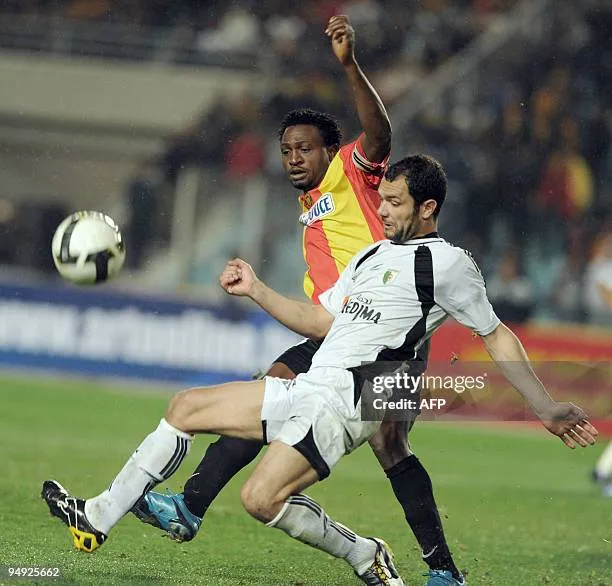
His club career spanned several countries and included stints with notable teams such as Esperance Sportive de Tunis and Beşiktaş JK. Fans in Tunisia affectionately nicknamed him Al Dababa (The Tank) due to his strength and determination on the field. That context matters because it paints a picture of a player who not only excelled but also inspired many within Nigerian football.
Even after retiring from professional football in 2018, Eneramo continued participating in casual training sessions—a testament to his love for the sport. This dedication often leads us to overlook potential health risks that may arise during seemingly benign activities like friendly matches or casual training.
The Nigerian Football Federation (NFF) released a statement mourning his loss, emphasizing that he was “a symbol of strength, determination and resolve, and created unforgettable moments.” Such tributes highlight not only his skill but also the impact he had on those around him—both as an athlete and as an individual.
As discussions about athlete health gain momentum, this incident raises pressing questions about preventive measures in sports. What protocols are in place to monitor heart health among athletes? Officials have yet to disclose specific details regarding any existing measures following this tragedy. Nevertheless, it is clear that more attention must be paid to the potential for cardiac events in sports.
In light of this heartbreaking event, the football community is left grappling with grief while also recognizing an urgent need for improved health monitoring practices among athletes. The legacy of Michael Eneramo will undoubtedly live on through those he inspired—and through ongoing conversations about athlete safety and well-being.