Key moments
The ongoing conflict in the Middle East, particularly the war involving the United States and Israel against Iran, has sent shockwaves through global energy markets, leading to significant economic impacts across Africa. As of April 7, 2026, Kenya’s private sector activity has plummeted to its weakest level in eight months, with the Purchasing Managers’ Index (PMI) dropping to 47.7 in March from 50.4 in February. This decline highlights the immediate economic strain felt by the region due to the escalating conflict.
Global oil prices have surged dramatically, rising by more than 50 percent as of March 24, 2026, with crude oil prices exceeding $100 per barrel. This spike has not only affected oil-exporting countries but has also placed immense pressure on oil-importing nations, leading to a ripple effect across various economies. In Africa, at least 29 currencies have weakened in response to these rising oil prices, reflecting the broader economic instability caused by the conflict.
In Kenya, despite a record profit of $2.16 billion reported by banks in 2025, the current economic climate is challenging. The decline in private sector activity indicates that the benefits of past financial performance may not be sustainable in the face of rising costs and inflation. The situation is compounded by the fact that Egypt has maintained its benchmark interest rates at 19 percent for deposits and 20 percent for lending, a move aimed at curbing inflation amid these turbulent economic conditions.
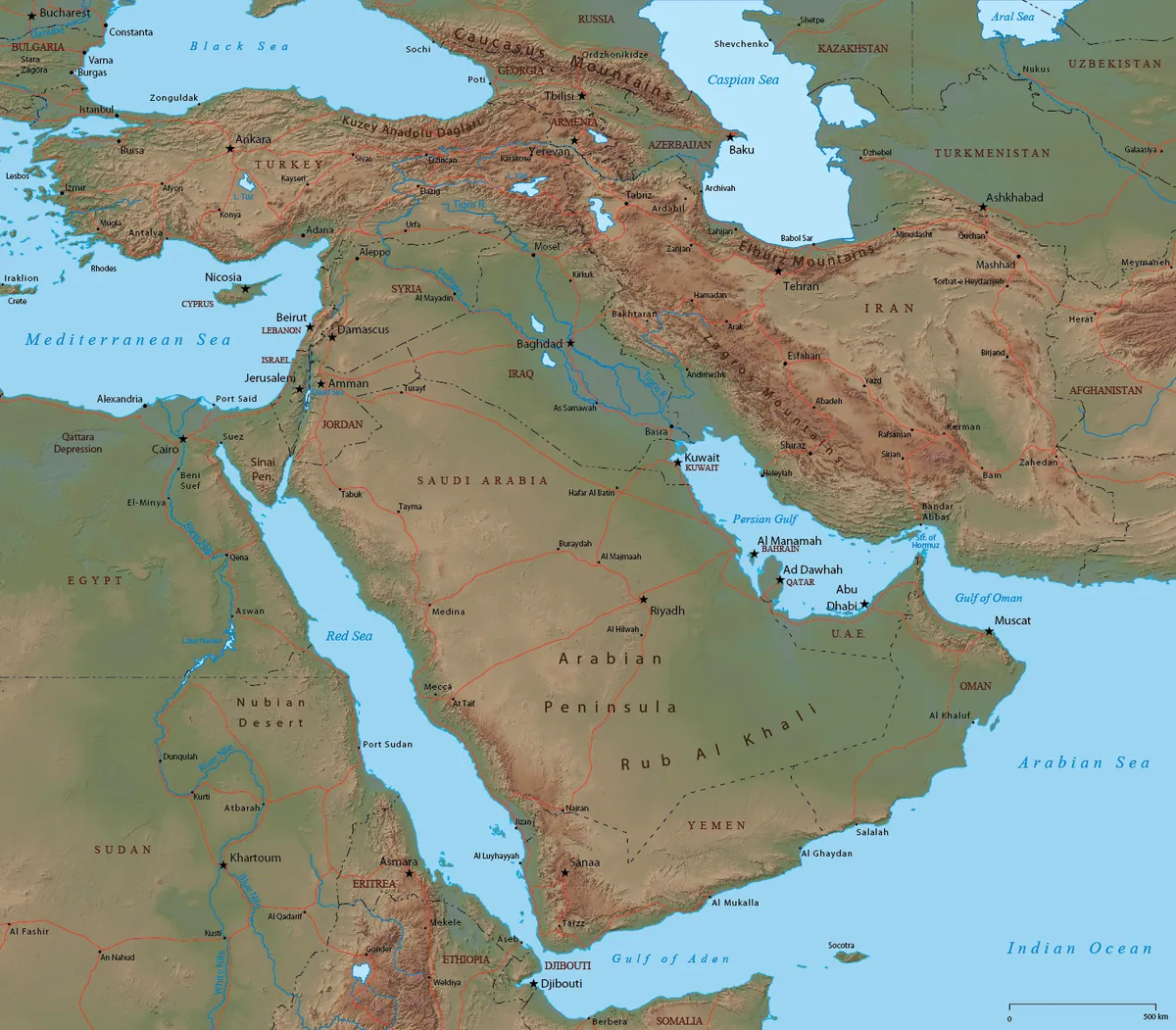
Nigeria, another key player in the African economy, has seen petrol prices soar by more than 25 percent since the outbreak of the war on February 28, 2026. This increase in fuel costs is expected to further strain household budgets and transport fares across the country. The conflict has led to one of the largest supply disruptions in global oil markets, particularly affecting oil flows through the crucial Strait of Hormuz, which is vital for international oil shipments.
Experts are voicing concerns about the long-term implications of these developments. Ibrahima Thiam remarked, “Rising oil prices will increase energy costs, transport fares, and fiscal pressures across the continent.” This sentiment is echoed by Stephen Onyeiwu, who cautioned that while higher oil revenues might seem beneficial, they may not offset the rising import costs and inflation that many African nations are currently facing.
Furthermore, the crisis underscores the need for global energy diversification. Yusuf Tuggar highlighted Nigeria’s potential role as a partner to Gulf producers during these supply disruptions, suggesting that the conflict may reshape energy alliances and trade relationships. However, Onyeiwu also pointed out a critical issue: “Ordinary Nigerians rarely benefit directly from oil windfalls,” indicating that the economic benefits of oil production do not always trickle down to the general population.
As the situation continues to evolve, the economic ramifications of the Middle East conflict are likely to deepen, affecting not only the immediate countries involved but also the broader African continent. Details remain unconfirmed regarding the long-term strategies that African nations might adopt in response to these challenges, but the urgency for economic resilience and diversification has never been clearer.