Introduction
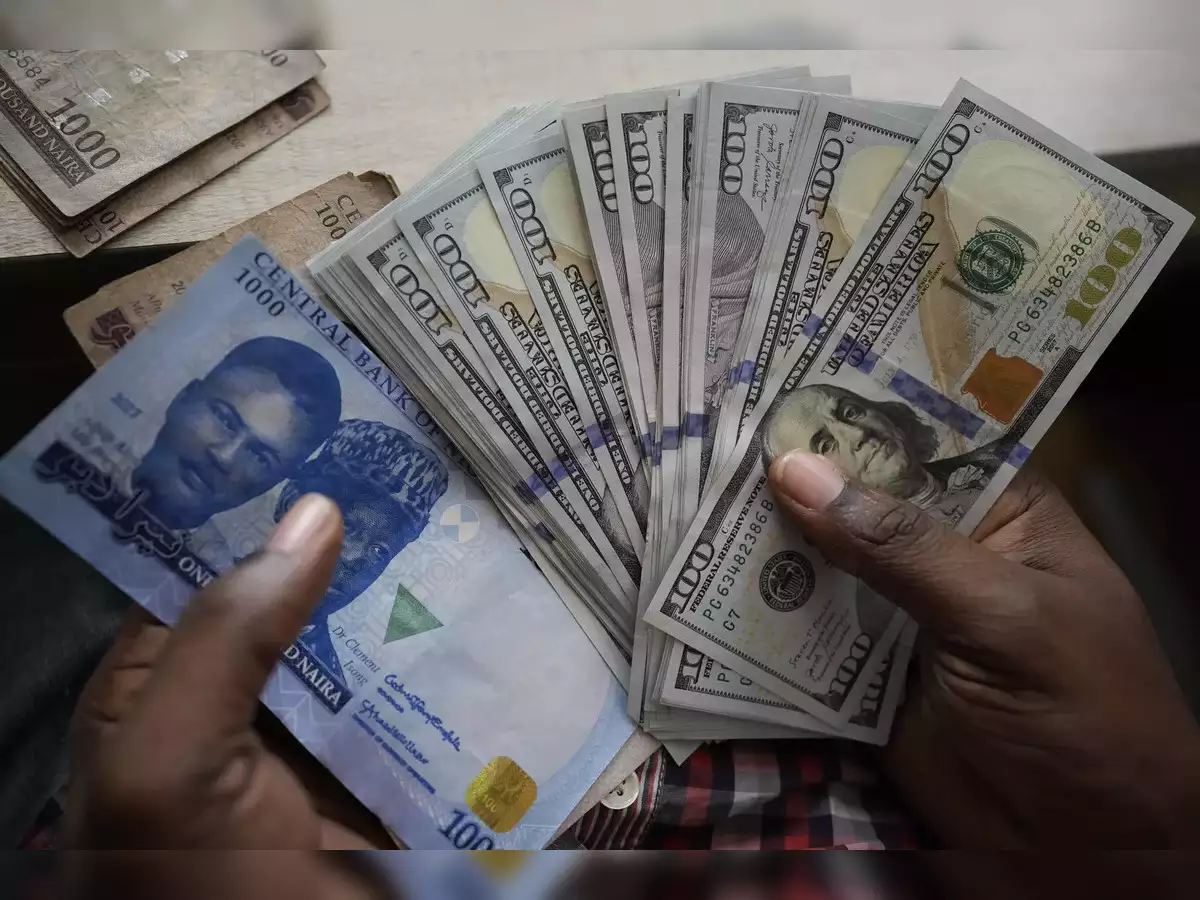
The Nigerian Naira has recently shown significant strength against the U.S. Dollar, raising hopes among economic analysts and the general public. This development is crucial as it reflects the dynamics of Nigeria’s foreign exchange market and has profound implications for trade, inflation, and the overall economy.
Current Economic Landscape
As of October 2023, the Naira has appreciated by roughly 5% against the Dollar within a month, driven by several factors including improved oil prices, government policies aimed at stabilizing the currency, and an increase in remittances from Nigerians abroad. The exchange rate has reportedly dropped from 800 Naira per Dollar to approximately 760 Naira in the parallel market, indicating growing investor confidence in Nigeria’s economy.
Government Interventions
The Central Bank of Nigeria (CBN) has taken various measures to stabilize the Naira, which included interventions in the foreign exchange market and adjustments to monetary policy. Recent inflation control measures have also positively influenced economic stability, leading to less volatility in currency exchange rates. Furthermore, the government’s push for local production to reduce reliance on imports has begun to bear fruit, minimizing pressure on the Naira.
Impact on Daily Life
The strengthening of the Naira is significant for the average Nigerian. For households, it may mean reduced prices on imported goods, which were previously inflated due to weakness in the currency. For businesses, especially those that depend on importing raw materials, there’s potential for lower operational costs. However, economists caution that while this is a positive development, it is essential to be wary of external factors that could easily reverse these gains, such as fluctuations in global oil prices or changes in U.S. monetary policy.
Conclusion
The recent strengthening of the Naira against the Dollar signifies a hopeful turn for Nigeria’s economy but comes with challenges that must be closely monitored. Continued government intervention and structural economic reforms will be vital in maintaining this positive trend. As Nigeria seeks to enhance economic stability and growth, the journey ahead will require resilience and strategic planning to avoid pitfalls that could undermine this progress.