Key moments
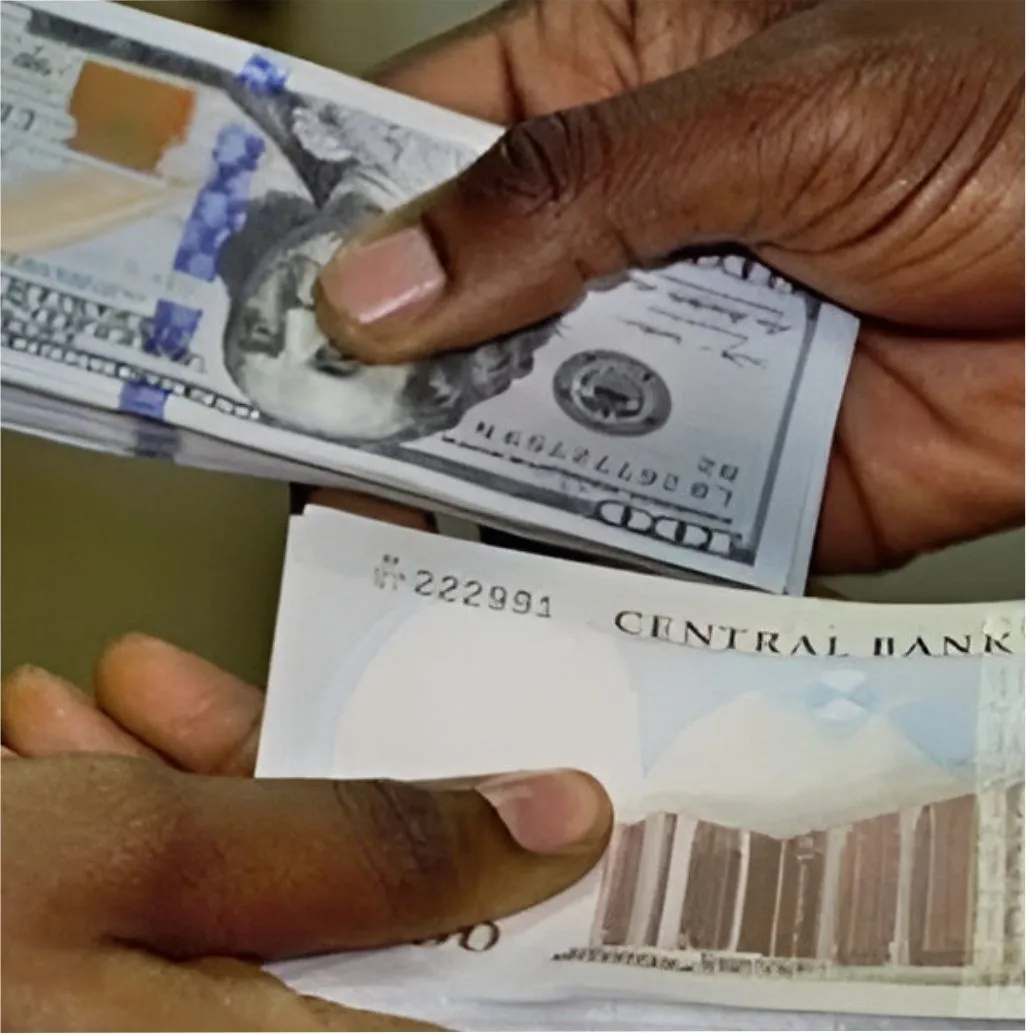
As of March 23, 2026, the official exchange rate for the Naira against the Dollar is approximately ₦1,356.74. This figure marks a critical point in Nigeria’s ongoing economic fluctuations, reflecting the pressures on the Naira amidst varying market conditions.
In the black market, the situation is markedly different, with the buying rate for the Dollar at ₦1,390 and the selling rate at ₦1,400. This creates a ₦10 spread between buying and selling rates, highlighting the disparity between official and unofficial currency trading. Such differences often lead to increased scrutiny from economic analysts and policymakers.
Throughout mid-March, the Naira’s exchange rate fluctuated between ₦1,344 and ₦1,370, with an intraday high reaching ₦1,362.00. These fluctuations are indicative of the volatility in Nigeria’s foreign exchange market, influenced by various domestic and international factors.
Currently, Nigeria’s external reserves hover around the $50 billion mark, a crucial buffer for the economy. The management of these reserves is vital, especially given the country’s reliance on crude oil exports, which significantly impact foreign exchange inflows.
Inflation in Nigeria has seen a slight decline, recently recorded at 15.10%. This reduction may offer some relief to consumers but remains a concern for the Central Bank of Nigeria, which has maintained high interest rates to combat inflationary pressures. The interplay between interest rates and inflation is a key consideration for economic stability.
The Dollar to Naira exchange rate serves as a vital economic indicator in Nigeria, reflecting broader economic health and stability. The black market operates independently of the official foreign exchange window, often leading to significant discrepancies that can affect everyday transactions for citizens.
Looking ahead, the future direction of the Dollar to Naira exchange rate will largely depend on foreign exchange inflows from crude oil exports. As oil remains a cornerstone of Nigeria’s economy, fluctuations in global oil prices could have profound implications for the Naira’s value.
As the situation evolves, reactions from economists and officials will be closely monitored. The ongoing adjustments in the exchange rate are likely to spark discussions on policy measures aimed at stabilizing the Naira and enhancing economic resilience.