The numbers
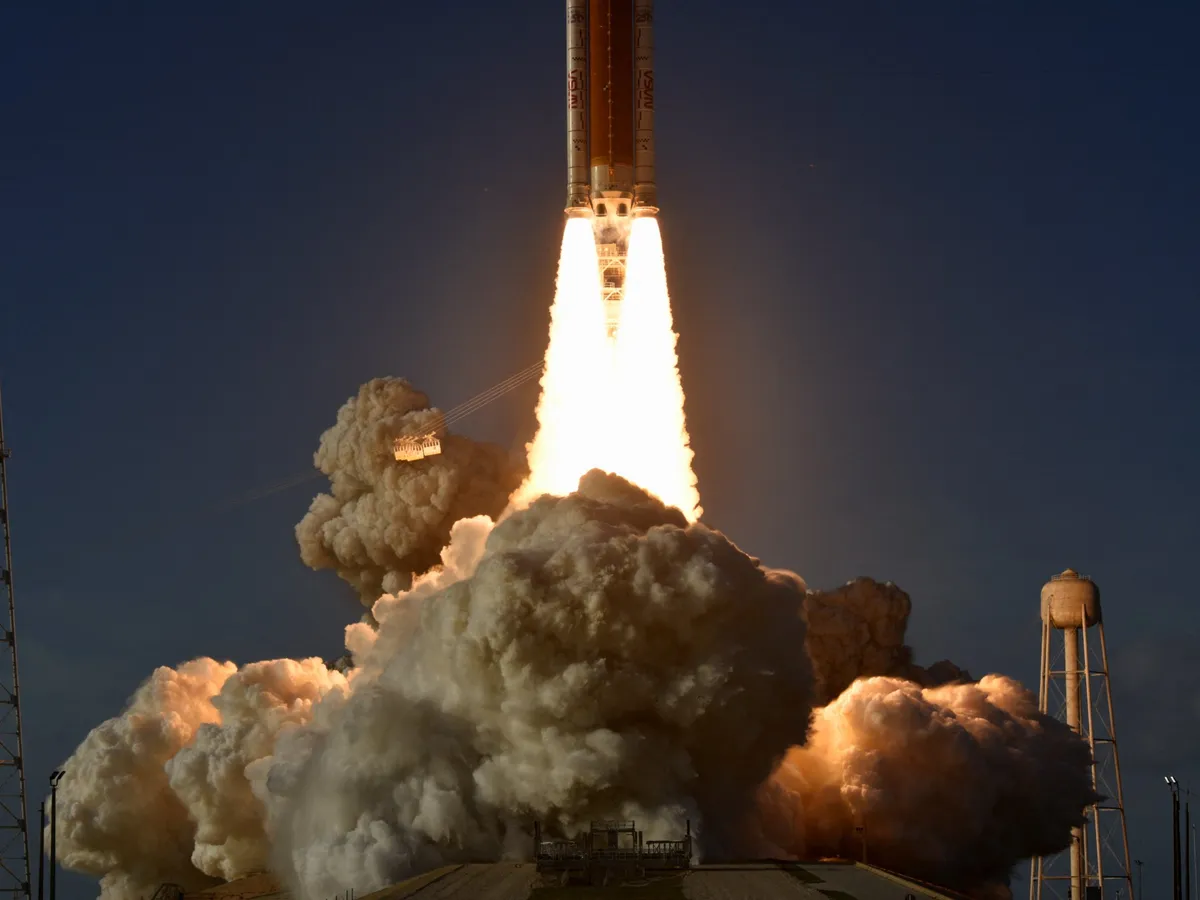
NASA’s Artemis II mission successfully launched on April 1, 2026, at 6:35 PM ET from Cape Canaveral, Florida. This historic mission includes a crew of four astronauts: mission commander Reid Wiseman, pilot Victor Glover, mission specialist Christina Koch, and Canadian astronaut Jeremy Hansen. This marks the first crewed mission to the moon’s vicinity since the Apollo program concluded in 1972.
The Artemis II mission is designed to last approximately 10 days, with the crew expected to reach the moon on April 6, 2026. During this mission, the spacecraft will fly by the moon at an altitude of approximately 4,000 to 6,000 miles above the lunar surface. Reid Wiseman expressed the excitement of the crew, stating, “We have a beautiful moonrise.” This mission will not land on the moon but will follow a ‘free-return’ trajectory, ensuring the crew’s safe return to Earth.
The Space Launch System (SLS) rocket, towering at 322 feet, is a crucial component of this mission, propelling the crew into space at speeds reaching 25,000 mph (40,230 km/h) during re-entry. The mission is a significant step towards future lunar exploration, serving as a precursor to subsequent Artemis missions, including Artemis III planned for 2027, which will involve docking with lunar landers.
Victor Glover, who is the first Black astronaut assigned to a lunar mission, is part of this groundbreaking crew. The Artemis II mission represents a pivotal moment in space exploration, as it is the first time humans have visited the moon since the Apollo 17 mission back in 1972. The crew is now on a mission that will take them around the moon and back to Earth, marking a new chapter in NASA’s lunar exploration efforts.
The mission will conclude with a splashdown in the Pacific Ocean on April 10, 2026. Observers are keenly awaiting the outcomes of this mission, which will set the stage for future Artemis missions aimed at returning humans to the lunar surface. The idea is to descend to the surface of the Earth’s only natural satellite again on Artemis IV in 2028.
As the Artemis II mission progresses, the space community and enthusiasts alike are closely monitoring the crew’s journey. This mission not only symbolizes a return to lunar exploration but also emphasizes the importance of diversity in space missions, as highlighted by Glover’s historic role. The excitement surrounding this mission is palpable, as it embodies humanity’s enduring spirit of exploration and discovery.
Details remain unconfirmed regarding the specific scientific objectives of the Artemis II mission, but it is clear that this mission is a significant milestone in NASA’s Artemis program. With the successful launch of Artemis II, NASA is poised to continue its ambitious plans for lunar exploration and beyond.