The Importance of the Nations League
The Nations League has emerged as a significant cornerstone in international football since its inception in 2018. This competition was introduced by UEFA to enhance the quality and competitiveness of friendly matches while providing countries with genuine stakes in the outcomes. Such transformation is crucial for teams striving to gain consistency in performance and for fans searching for more thrilling and meaningful football fixtures.
How the Nations League Works
The tournament is structured into leagues, allowing teams to compete at similar levels, which complicates the traditional qualification route. Each league is further divided into groups, with teams fighting for placement and opportunities to rise to higher tiers or, conversely, to avoid relegation. These matchups not only foster rivalries but also serve as vital preparation for UEFA’s European Championships and FIFA World Cup qualifiers.
Recent Developments and Events
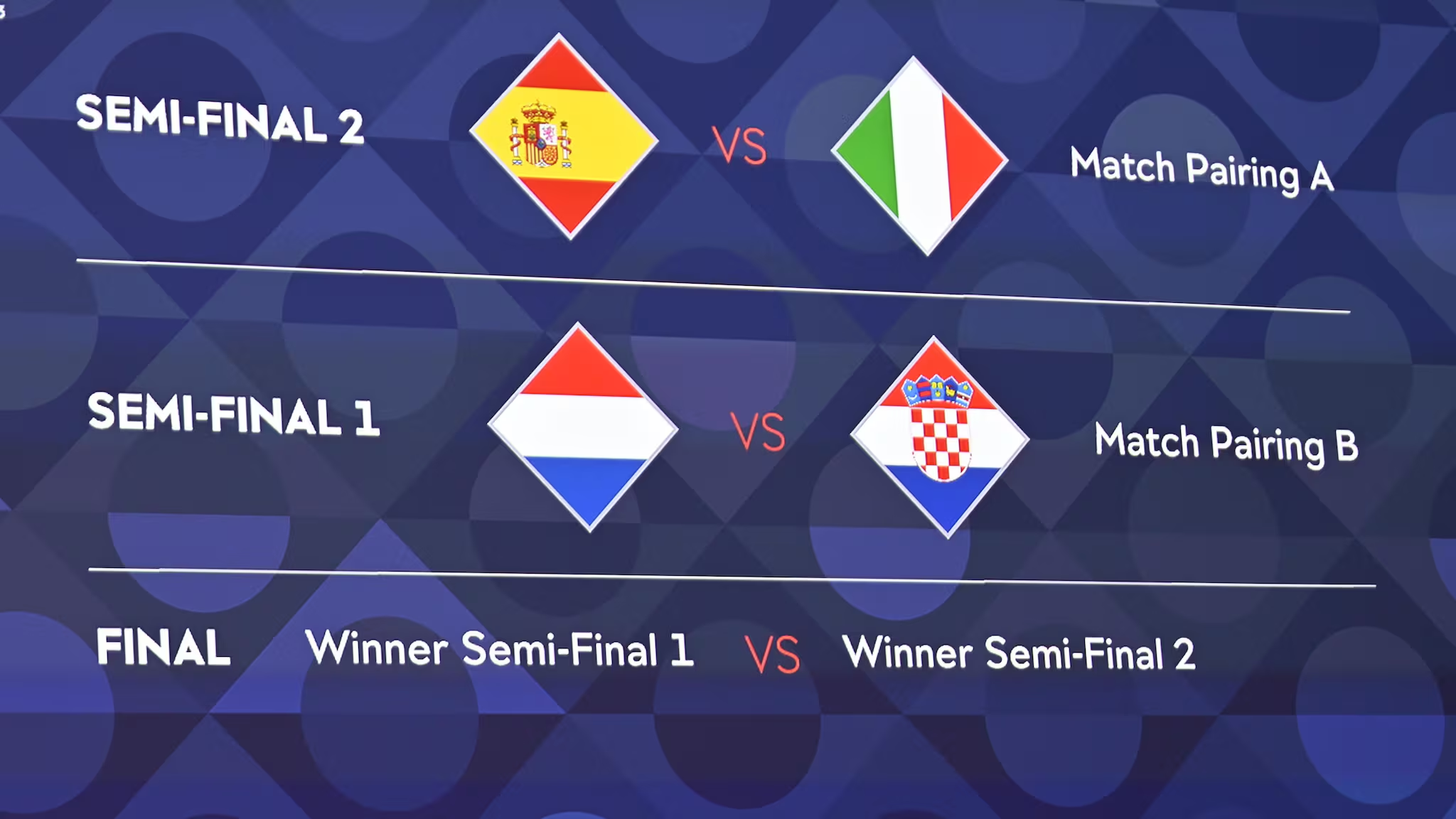
The latest edition of the Nations League recently concluded, with Spain emerging as the champion after a thrilling final against Croatia. This victory marks Spain’s resurgence in international football, raising hopes as they prepare for the upcoming European Championship. The tournament has not only spotlighted established players but also brought forth new talent, making it an essential platform for the future stars of international football.
Impact on National Teams
For national teams, participation in the Nations League offers a unique dual opportunity: teams can achieve glory while also working on their squad cohesion in a competitive environment. Coaches have expressed appreciation for being able to test strategies and player combinations during meaningful matches, rather than mere friendly encounters.
Looking Ahead
As the next edition approaches, stakeholders in the football community anticipate further engagement from fans, sponsors, and media. The Nations League is set to not only enhance the spirit of competition among European national teams but also impact the global stage with its innovative approach. Engagement levels are expected to rise, fostering new partnerships and rivalries that will keep audiences captivated.
Conclusion
The Nations League is reshaping international football by providing engaging competition and meaningful matches for teams and fans alike. As countries gear up for the next tournament, this platform promises to enhance players’ skills and shore up national pride, particularly with important international fixtures on the horizon. The success of the Nations League may prove to be a guiding template for other continental football federations seeking to invigorate their competitive formats.