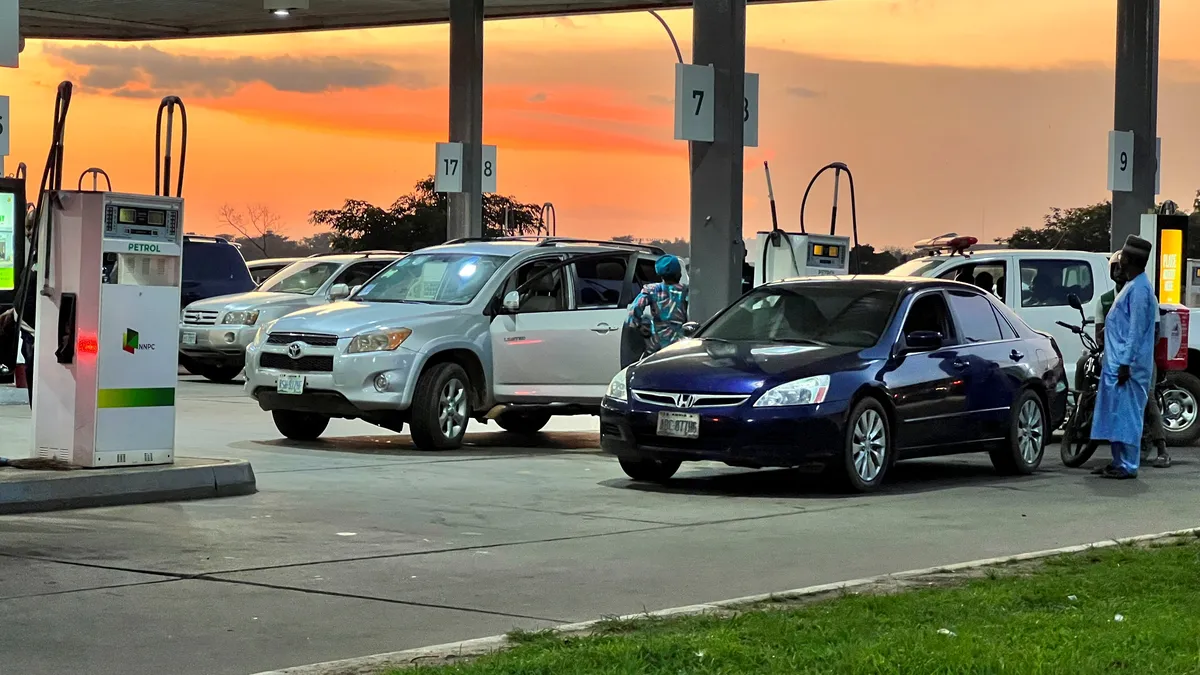
Nigerian filling stations have recently reduced petrol prices to N1,365 and N1,375 per litre, down from N1,440. This adjustment comes just a day after a notable price hike, illustrating the volatile nature of the global oil market.
This fluctuation is not an isolated incident. The price adjustments are closely tied to rising global crude oil prices, particularly Brent crude, which had been hovering around $114 before dipping. Such volatility affects Nigeria’s economy significantly since it relies heavily on international energy prices.
In recent weeks, petrol prices have varied widely across the country. For instance, prices in Abuja reached N1,364 per litre following the hike, while Yobe recorded the highest price at N1,395. Meanwhile, in Lagos, petrol prices surged from N1,230 to N1,320.
The Nigerian National Petroleum Company Limited (NNPC) and Dangote Refinery play pivotal roles in this dynamic pricing environment. The Dangote Refinery increased ex-depot prices to approximately N1,275 and N1,290 per litre. This indicates how supply chain factors can influence retail pricing directly.
The implications of these changes are significant. Petrol remains central to Nigeria’s economic life; it powers transport and logistics and facilitates private electricity generation and distribution networks. As fuel inflation rises, consumers face higher costs for everyday goods and services.
Officials have noted that these fluctuations reflect ongoing challenges within Nigeria’s downstream petroleum market. A spokesperson emphasized that “the latest pricing reflects ongoing fluctuations… influenced by changes in the global oil market.” This situation raises questions about how Nigeria can stabilize its domestic fuel prices amidst such uncertainty.
The federal government is aware of these economic pressures. They have stated they are reviewing potential economic implications stemming from ongoing crises in the Middle East that could further impact oil supply and pricing. They stand ready to adjust policy if necessary.
As observers watch closely, it remains crucial for both consumers and policymakers to navigate this complex landscape effectively. The ongoing adjustments highlight not only local concerns but also broader global economic interdependencies.